Behind every clean, contactable lead list is an unglamorous engineering problem: to fill in a missing email or phone number, you have to actually visit the business's own website, and if you visit thousands of sites from a single office IP, you will get blocked, throttled, or fingerprinted within an afternoon. LinkSpear solves this quietly in the background with a rotating proxy pool a managed set of anonymous IP addresses that your enrichment jobs cycle through automatically, so every request looks like ordinary organic traffic and your own network address never appears in anyone's logs.
This page explains exactly what the rotating proxy pool is, how it works, and why it matters for the results you actually care about: more complete contact cards, fewer blocked requests, and a lead list your sales reps can call without hitting dead ends. It is one of the least visible but most load-bearing parts of the platform, powering lead enrichment, live-link verification, and uptime checks all at once.
What the rotating proxy pool actually is
A proxy is simply an intermediary server. Instead of your request going straight from LinkSpear's servers to a plumber's website, it hops through a proxy first, so the plumber's server sees the proxy's IP address, not ours and never yours. A rotating proxy pool takes that idea and multiplies it: rather than relying on one intermediary, LinkSpear maintains a continuously refreshed set of many proxies and spreads your traffic across all of them.
The word "rotating" is the important part. On a single request or on a short interval, the outbound IP changes. That means a hundred enrichment requests are not a hundred hits from one address the tell-tale pattern that gets scrapers banned but a handful of quiet visits from many different addresses, indistinguishable from normal human browsing spread across a city.
Crucially, this pool is anonymous by design. Your account, your office network, and your home connection are never the exit point. If a business you're researching checks their analytics, they see a generic visitor, not your agency's IP address sitting on their site fifty times in an hour. That separation protects your reputation and keeps your infrastructure clean.
Why a single IP fails and rotation succeeds
To understand the value, it helps to see what happens without proxy rotation. Every website runs on a server, and modern servers are increasingly defensive. When one IP address requests many pages in quick succession, common protections kick in:
- Rate limiting: the server starts returning errors or slowing responses to that IP.
- Hard blocks: the IP is added to a denylist, so future requests fail entirely.
- CAPTCHA walls: the visitor is asked to prove they're human, which an automated job cannot pass.
- Fingerprinting: the pattern of requests is flagged as bot-like and quietly degraded.
Any one of these turns a promising enrichment run into a wall of empty fields. Worse, if that single IP is your own office connection, the collateral damage lands on you: your team can suddenly find themselves locked out of directories, mapping services, or supplier sites you rely on every day.
A rotating proxy pool sidesteps all of this by keeping the request volume per IP low. No single address ever looks busy enough to trip a defense, so the job completes, the fields fill in, and your real network stays invisible and unaffected.
How rotating proxies work in LinkSpear, step by step
The mechanics are deliberately hidden from you when you click "enrich," it just works. But here is what happens under the hood, so you can trust the process and explain it to clients.
Step 1: A job is queued
When you run lead enrichment on a batch of businesses, or when the platform verifies that your submitted backlinks are still live, each target website becomes a task in a queue. Nothing hits the open internet from your address.
Step 2: A healthy proxy is selected
For each task, the system picks an IP from the pool. It doesn't pick blindly it favors proxies that are currently responsive and recently successful, and it steers around ones that have been slow or refused connections. This health-aware selection is what keeps success rates high over time.
Step 3: The request is made anonymously
The chosen proxy fetches the business's homepage and contact page on LinkSpear's behalf. The target site sees the proxy's IP. Your office IP, your home IP, and your account are never exposed to the destination.
Step 4: Data is extracted and verified
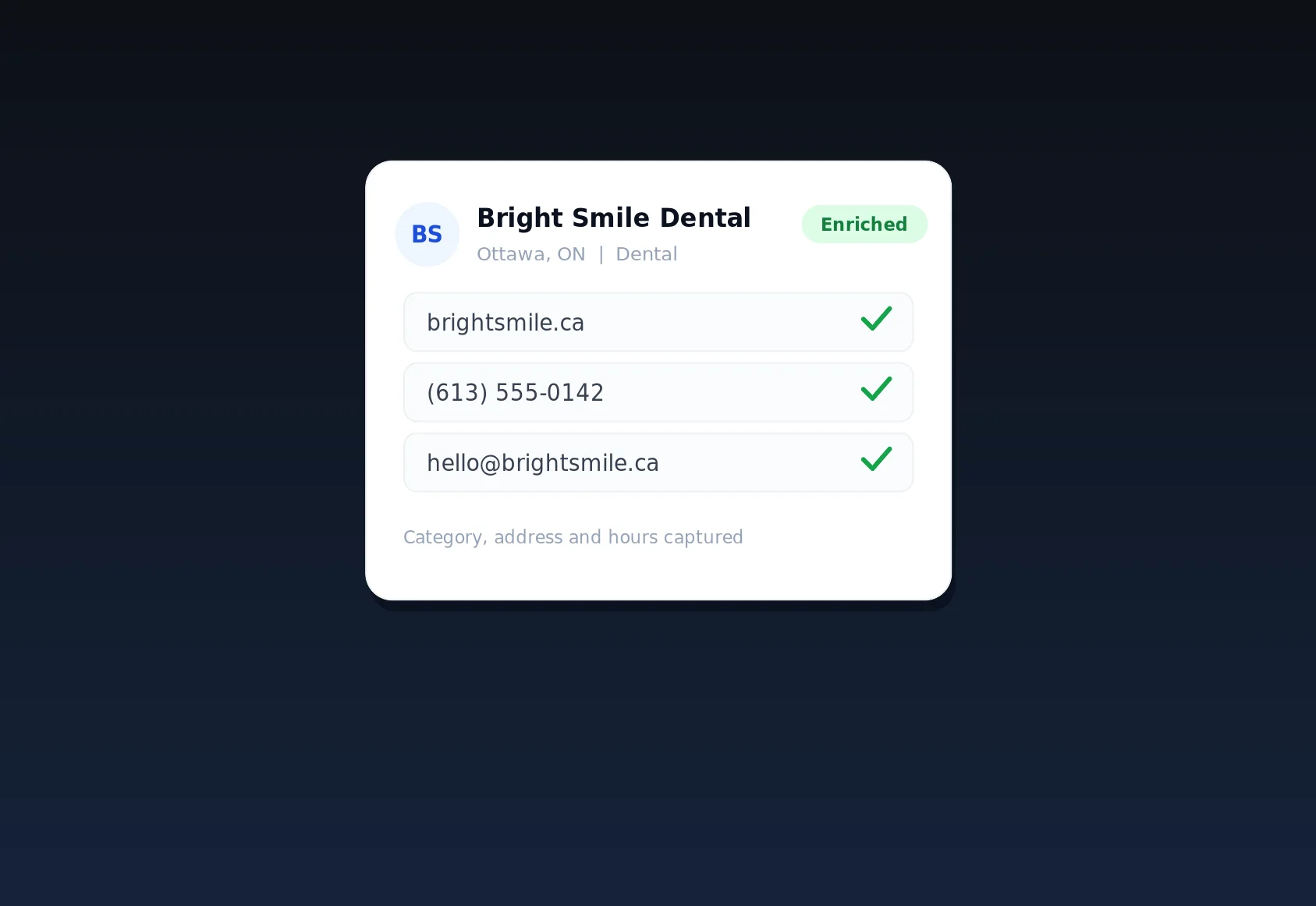
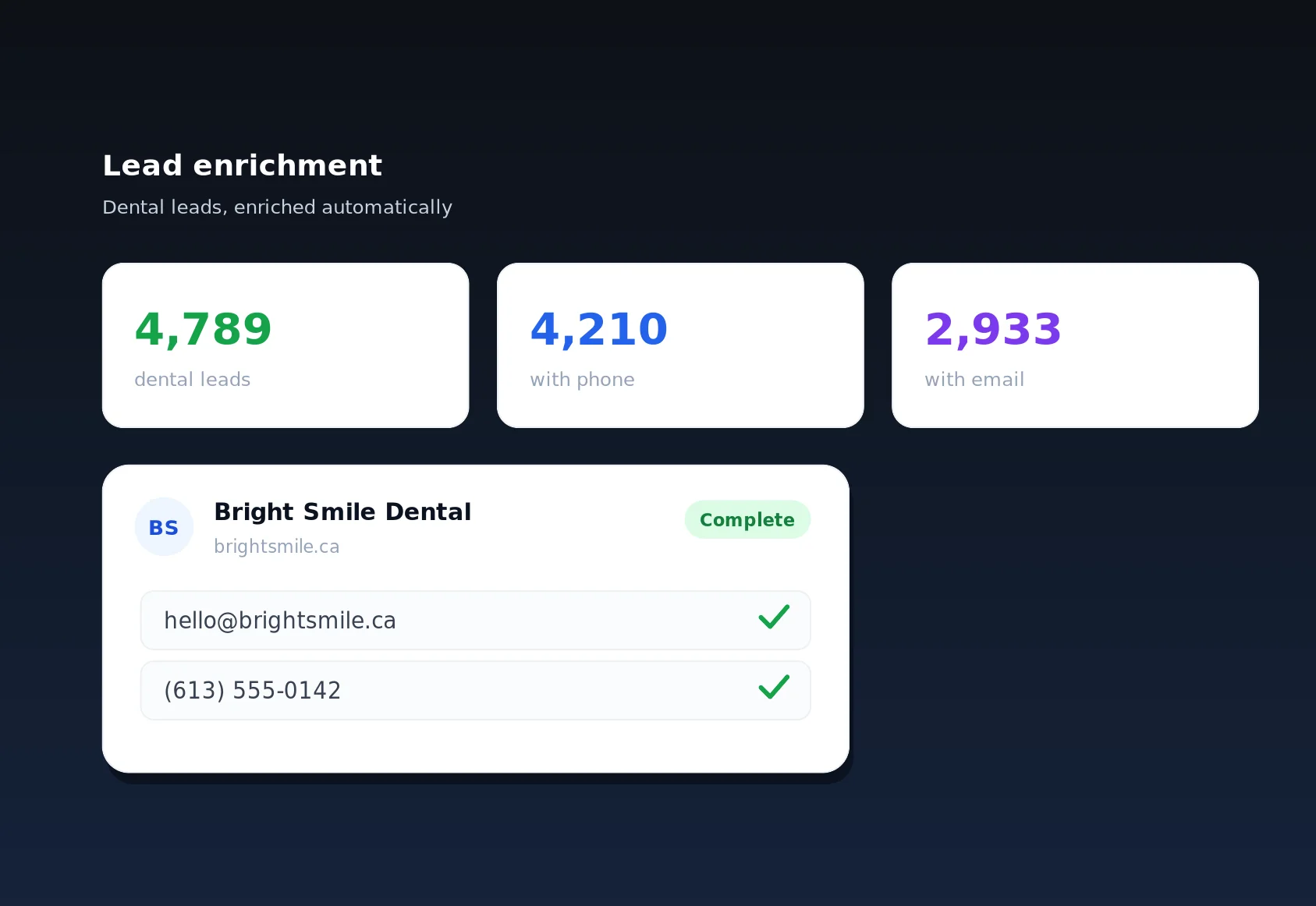
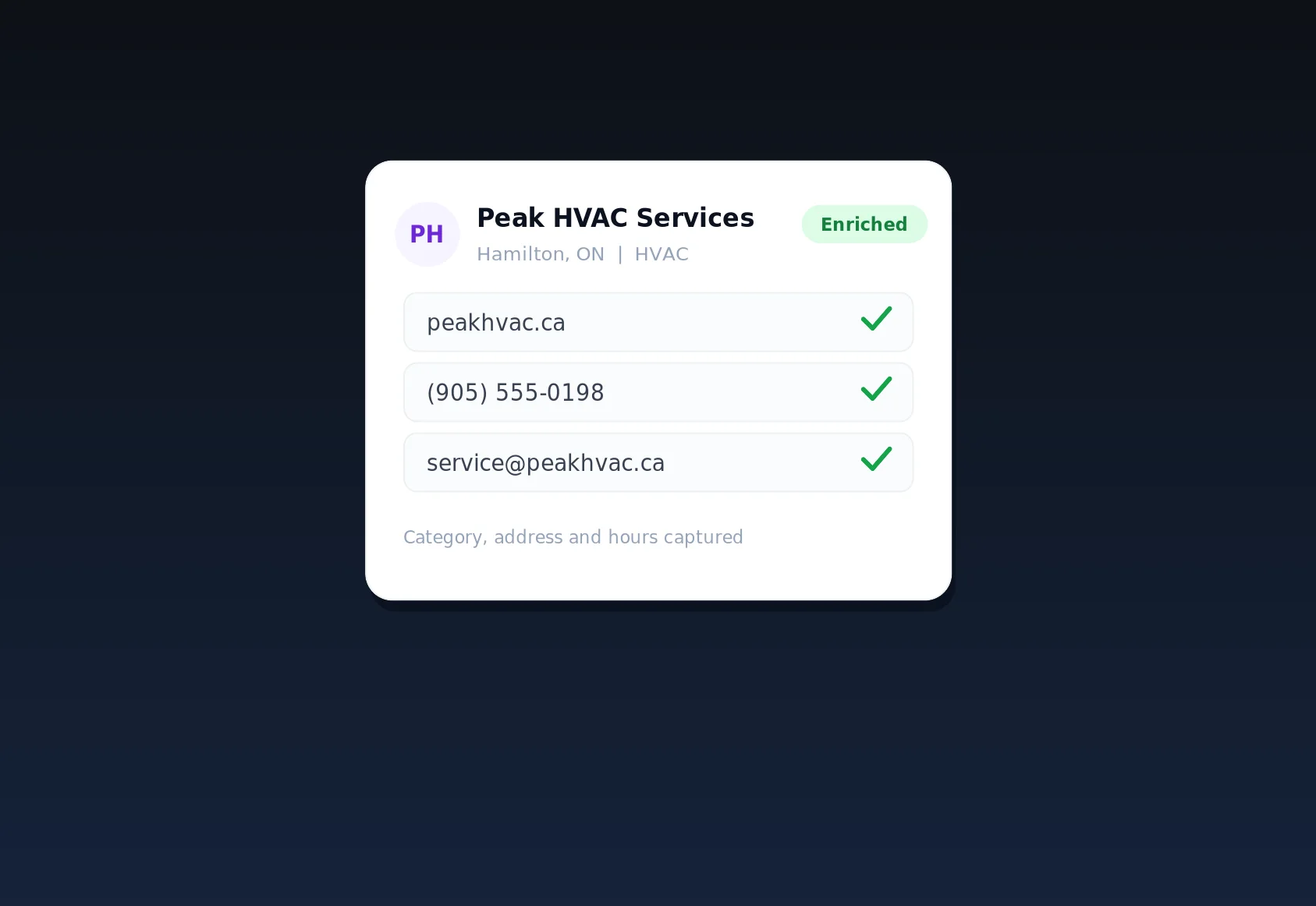
The returned page is parsed for the details that complete a contact card: an email address, a phone number, sometimes a physical address or social profile. These are validated for basic sanity before they're written back to the record.
Step 5: The IP rotates for the next task
The next task in the queue draws a different proxy. Over a run of thousands of businesses, load is spread thinly across the whole pool, so no destination ever sees a suspicious burst from one source.
Step 6: Failures fail closed and get reported
If a proxy stops responding or a site refuses the request, the job doesn't crash and it doesn't silently pretend it succeeded. It fails closed, the target is left for a retry, and the event surfaces in your Audit Log so nothing important happens in the dark. You always know what actually ran.
The concrete benefits and outcomes
Rotation isn't a technical vanity feature. It converts directly into results you can measure on your lead list and your sales floor.
- Higher fill rates: more businesses come back with a real email and phone because more requests actually complete instead of being blocked.
- Zero footprint on your IP: your office and home connections never appear in anyone's server logs, protecting your reputation and your day-to-day access.
- Scale without penalty: enrich hundreds or thousands of records in a session without tripping rate limits that would stop a single-IP approach cold.
- More callable leads: a complete contact card is the difference between a rep dialing a real number and a rep staring at a blank row. Fuller data means a fuller call queue.
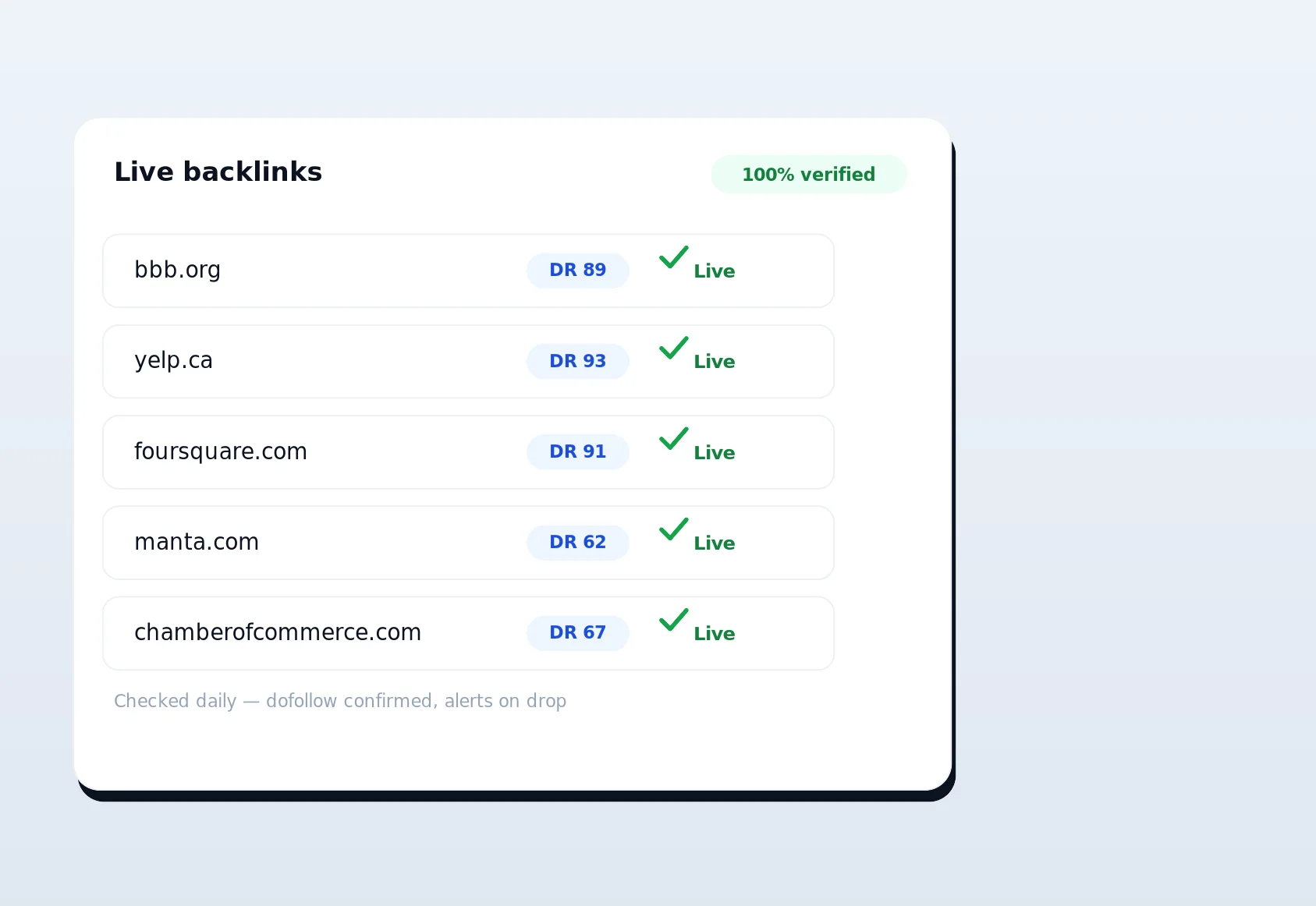
- Reliable link verification: the same infrastructure quietly re-checks your directory submissions so you know which citations are still live.
- Full transparency: every run reports what succeeded, what failed, and why, straight into your Audit Log.
Rotating proxy pool vs. the alternatives
Teams that try to enrich leads on their own usually reach for one of a few approaches. Here's how they compare with a managed, rotating pool built into the platform.
| Approach | IP exposure | Scale before blocks | Maintenance | Data completeness |
|---|---|---|---|---|
| Your own single IP | Fully exposed | Very low | You babysit blocks | Drops off fast |
| One static proxy | Hidden but fragile | Low | Breaks silently | Inconsistent |
| DIY proxy list | Varies | Medium | Constant dead-proxy cleanup | Patchy |
| LinkSpear rotating pool | Never exposed | High | Fully managed | Consistently high |
The pattern is clear: the rotating proxy pool is the only option that keeps your IP invisible, scales to real batch sizes, and requires zero maintenance from you. Health-aware selection means dead proxies are routed around automatically, so you never spend an evening pruning a text file of addresses that stopped working last week.
Residential, datacenter, and why quality matters
Not all proxies are equal, and the difference shows up directly in your fill rates. Datacenter proxies are fast and cheap but easy for defensive sites to recognize and block, because their IP ranges are publicly known to belong to hosting providers. Residential and free organic proxies look like ordinary home or mobile connections, which is exactly the kind of traffic a small business website expects to see. LinkSpear's pool is oriented around this organic, hard-to-fingerprint traffic, so requests blend in rather than announcing themselves as automation.
Just as important as the type of proxy is the freshness of the pool. Free and organic proxies come and go a working address today may be dead tomorrow so a pool that isn't constantly refreshed decays into a list of failures. LinkSpear continuously scans, tests, and refreshes its proxies, retiring the ones that stop responding and promoting the ones that perform. This is why a managed pool consistently outperforms a static list you assemble yourself: the maintenance never stops, and you never have to do it.
The system also pays attention to TLS fingerprinting, the subtle signals a server can read from how a connection is negotiated. Traffic that negotiates like a real browser is far less likely to be singled out than traffic that looks like a scripted tool. Getting these details right is unglamorous work, and it's precisely the kind of thing you don't want to build and babysit yourself when you'd rather be closing deals.
How it fits the wider LinkSpear workflow
The proxy pool rarely works alone. It's the engine room beneath several features you touch directly, and it connects the top of your funnel to the bottom.
From scrape to enriched record
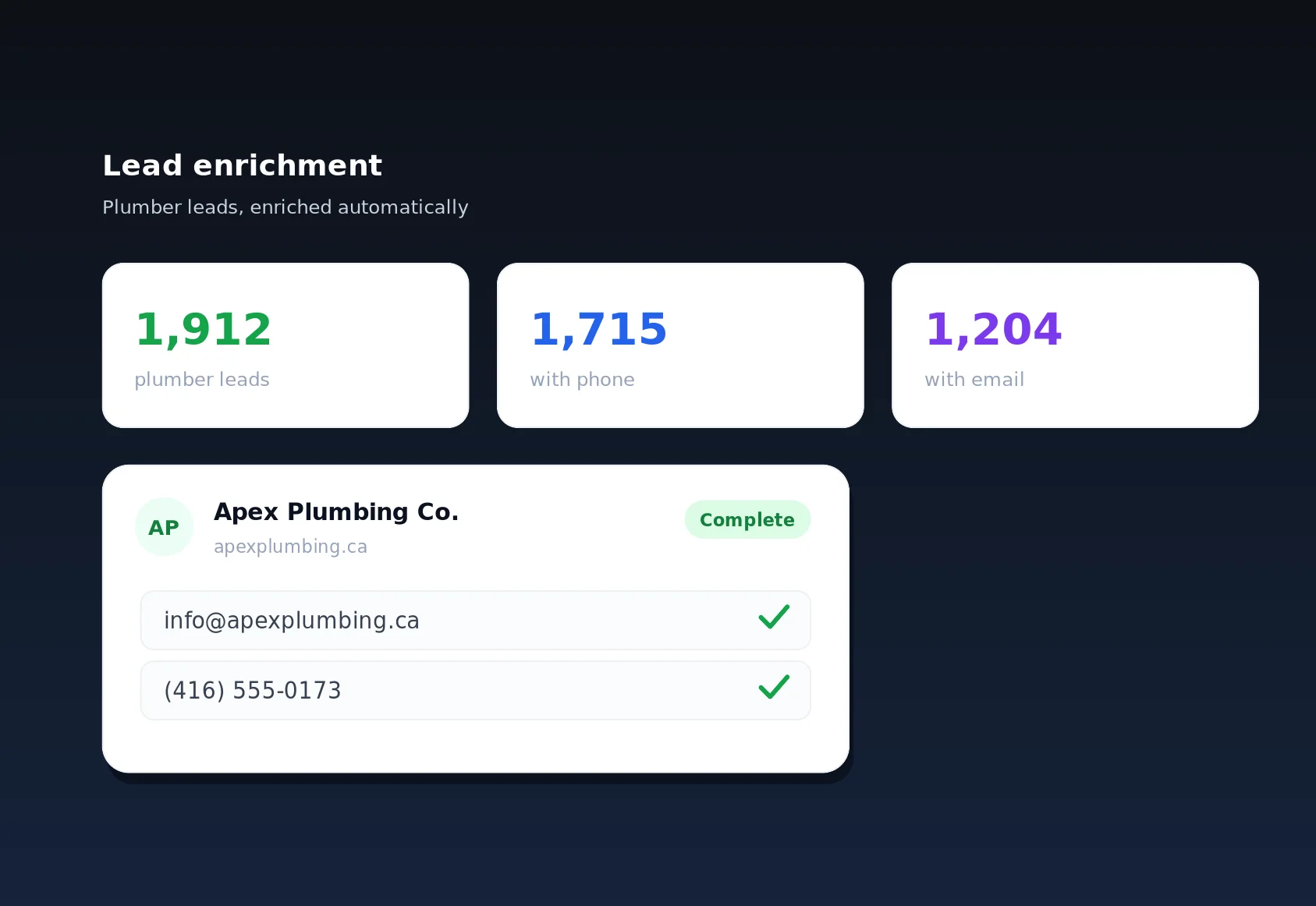
You start by pulling raw businesses from OpenStreetMap and YellowPages into the local business directory a deduplicated master catalogue of local businesses. Those raw records often have a name and a website but no email or phone. That's where the pool goes to work, visiting each site anonymously to complete the card.
From enriched record to a live call
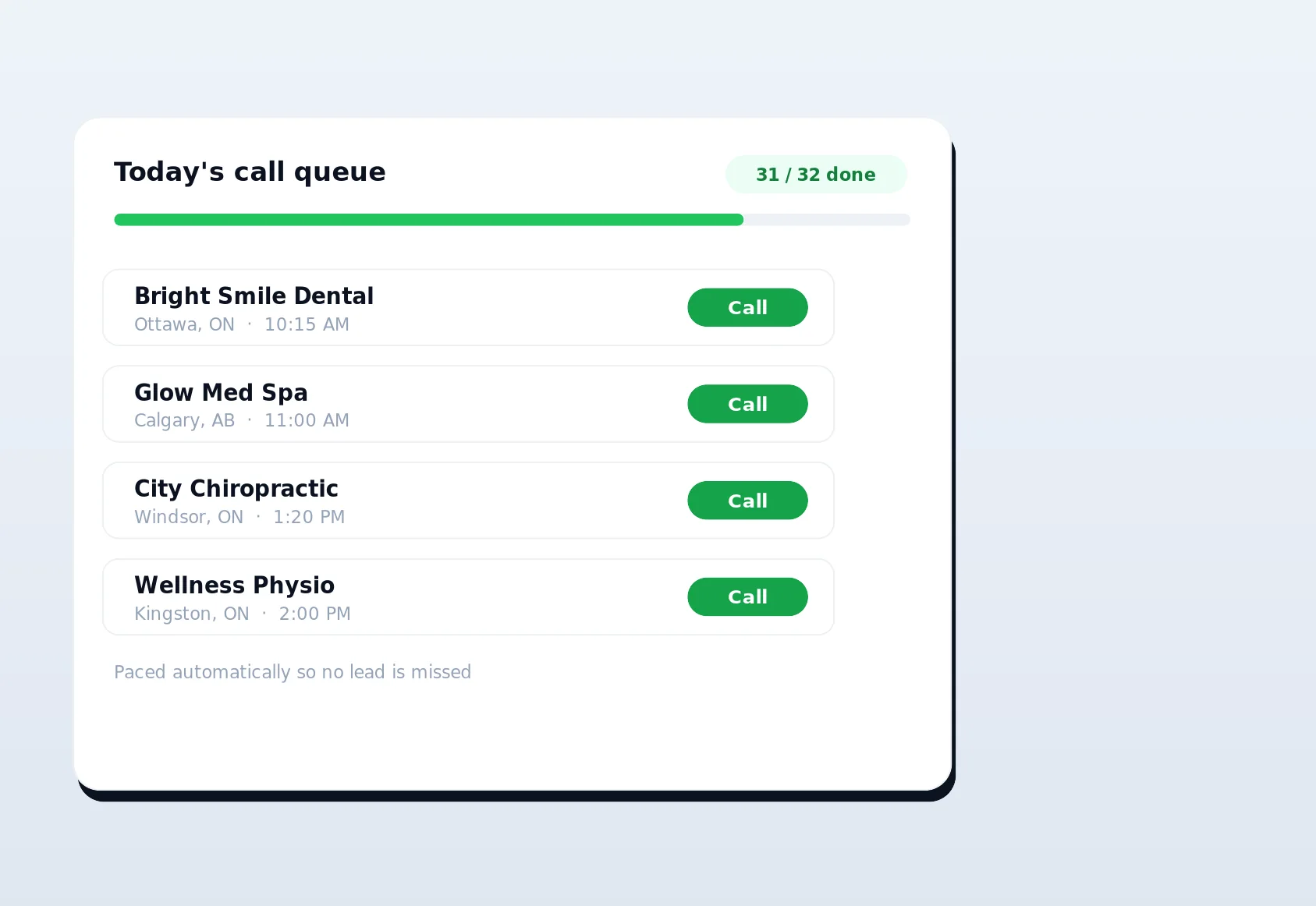
Once contact details are filled in, call queuing hands those businesses to your reps one at a time, with cross-tenant fairness, cooldowns, and daily call caps. Better enrichment means the queue is full of numbers that actually connect.
Keeping your backlinks honest
After you build citations with the automated directory backlink building Chrome extension which uses your real browser and real IP so submissions leave no footprint the proxy pool circles back later to verify those links are still live, this time anonymously, so the check itself leaves no trace.
Uptime and health checks
The same anonymous, fail-closed, report-only infrastructure powers directory uptime checks, confirming the sites in your catalogue are reachable without ever exposing where the check came from.
Who the rotating proxy pool is for
If any of the following describes you, this capability is doing heavy lifting on your behalf whether or not you ever think about it.
- Marketing agencies running local SEO and outreach for many clients at once, who need clean, callable lists per client without their own IP getting torched across dozens of campaigns.
- Local service businesses such as plumbers, electricians, and HVAC contractors building a territory of prospects to cold-call without a technical team.
- Sales teams that live and die by contact data quality and can't afford a queue full of blanks and disconnected numbers.
- Solo operators and consultants who want agency-grade enrichment infrastructure without renting, rotating, and monitoring proxies themselves.
In every case the common thread is the same: you want the outcome complete, callable leads at scale without becoming a part-time proxy administrator.
Anonymity, ethics, and doing this responsibly
A rotating proxy pool is a powerful tool, and LinkSpear uses it deliberately, not recklessly. The point of anonymity here is protective, not evasive: it stops your enrichment activity from being pinned to your business network, and it keeps request volume per destination low and polite rather than aggressive. LinkSpear reads publicly available contact information that businesses themselves publish on their own websites, the same details a customer would find by visiting the page.
Because the system fails closed and reports everything to your Audit Log, you always have a clear, honest record of what ran and what didn't. There's no silent scraping in the shadows and no fabricated data slipped into your records; a field is either found and verified or left empty for a human to review. That transparency is what makes the capability safe to rely on across an entire agency book of clients.
What you don't have to manage yourself
The quiet luxury of a managed pool is everything it removes from your plate. You never have to source proxies, test them, discard the ones that died overnight, rotate credentials, tune request timing to dodge rate limits, or troubleshoot why an enrichment run suddenly returns nothing but empty fields. All of that operational grind proxy health monitoring, rotation logic, retry handling, and failure reporting is handled inside the platform.
What you're left with is the part that matters: a button that says enrich, a lead list that fills itself in, and a call queue that stays stocked with real, reachable prospects. The infrastructure is doing something genuinely difficult so that your day looks simple.
Real-world scenarios where rotation pays off
It's easier to see the value in concrete situations than in the abstract. Here are a few that come up constantly for LinkSpear users.
An agency onboarding a new city for a client
A marketing agency wins an plumbing client and needs a prospect list for an entire metro area to fuel a referral and partnership campaign. They scrape two thousand businesses, but half arrive with a website and no email. Running that many enrichment requests from the agency's office would get their IP throttled within minutes and could knock out their access to the very directories they submit citations to. With the rotating pool, the whole batch enriches overnight, and the agency's network is never touched.
A solo consultant protecting a hard-won reputation
A one-person SEO consultant depends on a handful of research and mapping tools every single day. One aggressive scrape from their home connection could get that IP flagged, breaking the tools they rely on for billable work. Routing enrichment through anonymous, rotating proxies means their personal connection never becomes a suspect, so their daily workflow stays intact no matter how large a list they process.
A sales team keeping the dialer busy
A five-rep sales floor burns through leads fast, and every blank phone field is a rep sitting idle. By enriching in large, reliable batches through the pool, the team keeps the call queue stocked with verified numbers, so cross-tenant fairness and daily caps are distributing real, dialable prospects instead of empty rows.
In each case the proxy pool isn't the headline feature the team bought. It's the thing that makes the headline features actually deliver.
Ready to see it work on your own leads?
The best way to understand the difference a rotating proxy pool makes is to watch a batch of half-empty business records turn into fully populated, callable contact cards without your IP ever touching a single one of those sites. Every new LinkSpear account starts with a 14-day free trial on the Starter plan, no commitment required. Import a list, run lead enrichment, and see how many more complete emails and phone numbers you get when anonymity and rotation are handled for you. Start your free trial today and put the engine room to work behind your outreach.