If you run a marketing agency, your clients don't care which tools you use behind the scenes. They care about ranked keywords, ringing phones and a dashboard that looks like it belongs to you. LinkSpear's agency sub-accounts and white label platform gives you exactly that: a multi-tenant workspace where every client lives in an isolated sub-account, wrapped in your own brand, your own domain and your own logo. You resell local SEO and lead generation as a first-party product while LinkSpear does the heavy lifting invisibly in the background.
This page explains what agency sub-accounts are, how the white-label layer works, who benefits most, and how the whole thing plugs into the wider LinkSpear workflow — from the master business directory all the way to automated backlink building. If you're weighing whether to bring client SEO in-house or keep stitching together five disconnected tools with five separate invoices, this is the section to read carefully. By the end you'll know exactly what the model costs you in setup time, what it saves you every month, and how it reshapes the way clients perceive your agency.
What agency sub-accounts and white label actually mean
An agency sub-account is a fully isolated tenant inside your LinkSpear organization. Each one holds its own campaigns, lead lists, call queues, rank-tracking projects, backlink jobs and reports. Data never bleeds between clients: a plumber in Denver can't see the roofer in Dallas, and neither can see each other's proxies, contacts or submission history. You, the agency owner, sit above all of them with a bird's-eye roll-up view that aggregates progress across your entire book of business.
The white label layer is what your clients see. Instead of "LinkSpear," they log into your platform — your logo in the header, your brand colors, your custom domain (for example app.youragency.com), your sender name on report emails. The underlying engine is ours; the storefront is entirely yours. Combined, agency sub-accounts and white label turn LinkSpear from a tool you pay for into a product you sell. That distinction matters more than it sounds: clients happily pay a premium for a platform that appears to be your own intellectual property, and they never think to price-shop a login they believe you built.
Isolation you can defend to a client
Multi-tenancy isn't just a convenience feature — it's a trust feature. When a client asks "who else can see my leads?", the honest answer is nobody. Every sub-account enforces row-level separation across contacts, campaigns and audit logs. Even the anonymous proxy pool used for lead enrichment rotates per tenant, so one client's activity never contaminates another's footprint. If a client ever offboards, you can export or archive their entire sub-account cleanly, with no residue left in anyone else's workspace.
One roll-up view, many isolated workspaces
The tension every agency owner feels is between control and separation: you want each client walled off, but you also need to see the whole portfolio at a glance. Sub-accounts resolve that tension. From the agency dashboard you see aggregate call volume, ranking movement and backlink throughput across all clients, then drill into any single sub-account to work inside it as if it were the only one that existed. Your account managers get scoped access to just the clients they own, while you retain the master view.
How agency sub-accounts work, step by step
Getting from a blank agency workspace to a branded, client-ready platform takes an afternoon, not a quarter. Here's the realistic sequence, roughly in the order you'd actually perform it when onboarding your first client.
Step 1 — Set up your white-label brand
In your agency settings, upload your logo, set your primary and accent colors, and point a custom subdomain at LinkSpear via a single CNAME record. We provision the SSL certificate automatically, so there's no wrestling with certificate authorities or renewal reminders. From this moment, every screen your clients and staff touch carries your identity, not ours. You can also set the sender name and reply-to address that outgoing report emails use, so even the notifications land in a client inbox looking like they came from your team.
Step 2 — Create a sub-account per client
Spin up a new sub-account in seconds. Name it, assign a plan allowance (call caps, proxy budget, rank-tracking keyword quota), and pick a starting region. The sub-account inherits your branding instantly and starts empty — a clean, isolated workspace ready for that client's data. Because allowances are set per sub-account, you can offer tiered packages to your own clients: a "local starter" bundle with modest call caps, or a "market domination" bundle with a larger proxy budget and more tracked keywords.
Step 3 — Load leads into the sub-account
Populate the client's workspace from the local business directory, or run fresh business lead scraping against OpenStreetMap and YellowPages for their target city and category. Full contact cards — business name, phone, email, website, address, city, province and category — drop straight into the sub-account. Because the master directory is deduplicated, you avoid loading the same business twice, and you start every client relationship with a clean list rather than a messy import.
Step 4 — Enrich and verify contact data
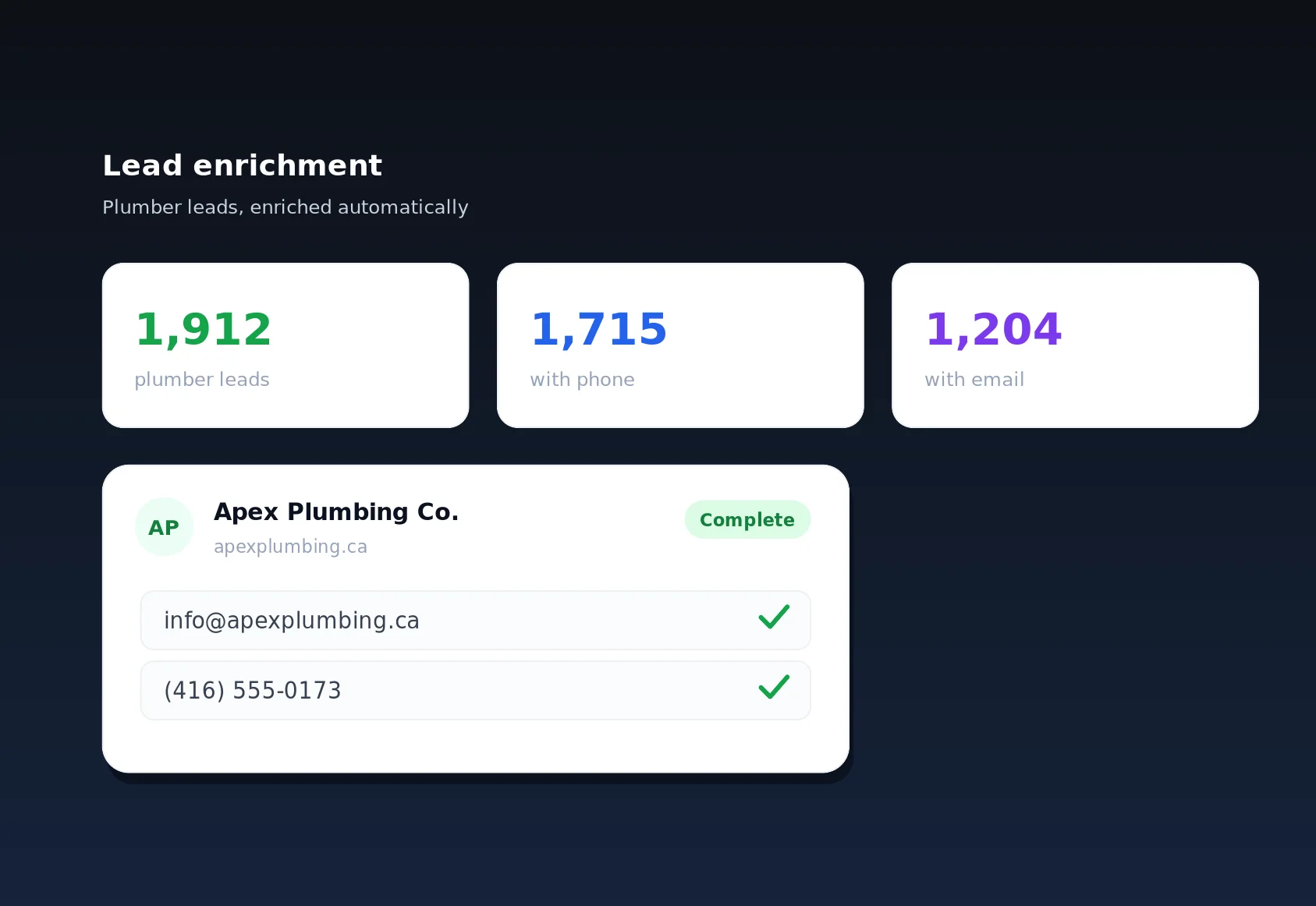
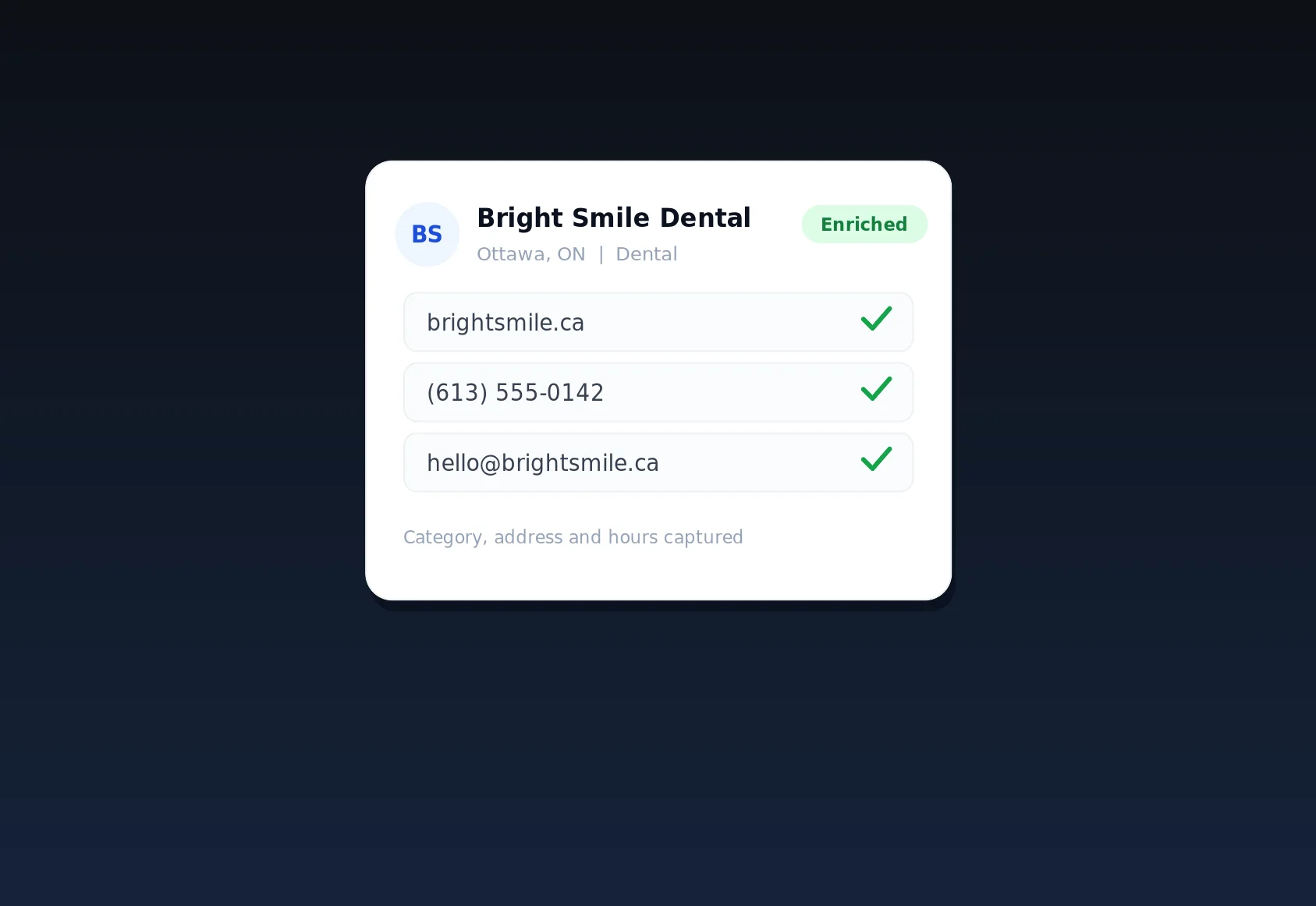
Trigger lead enrichment to fill missing emails and phone numbers. LinkSpear visits each business's own website through rotating anonymous proxies, so your agency IP never leaks and no target ever sees a scrape coming from you. The result is a clean, dial-ready list scoped to that single client. Enrichment runs per sub-account against its own proxy allocation, which means one client's heavy enrichment run never slows down or exposes another client's campaign.
Step 5 — Assign users and roles
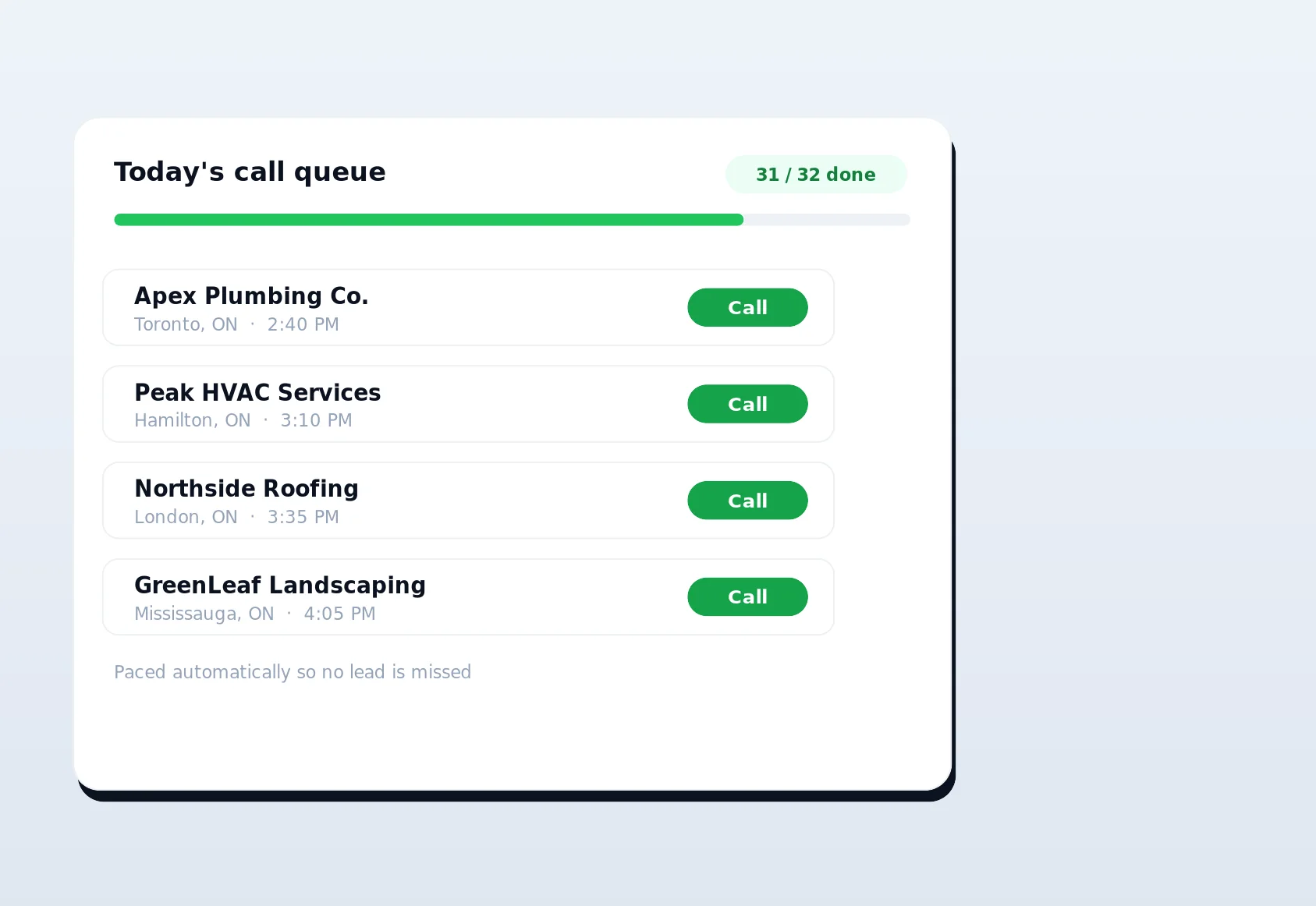
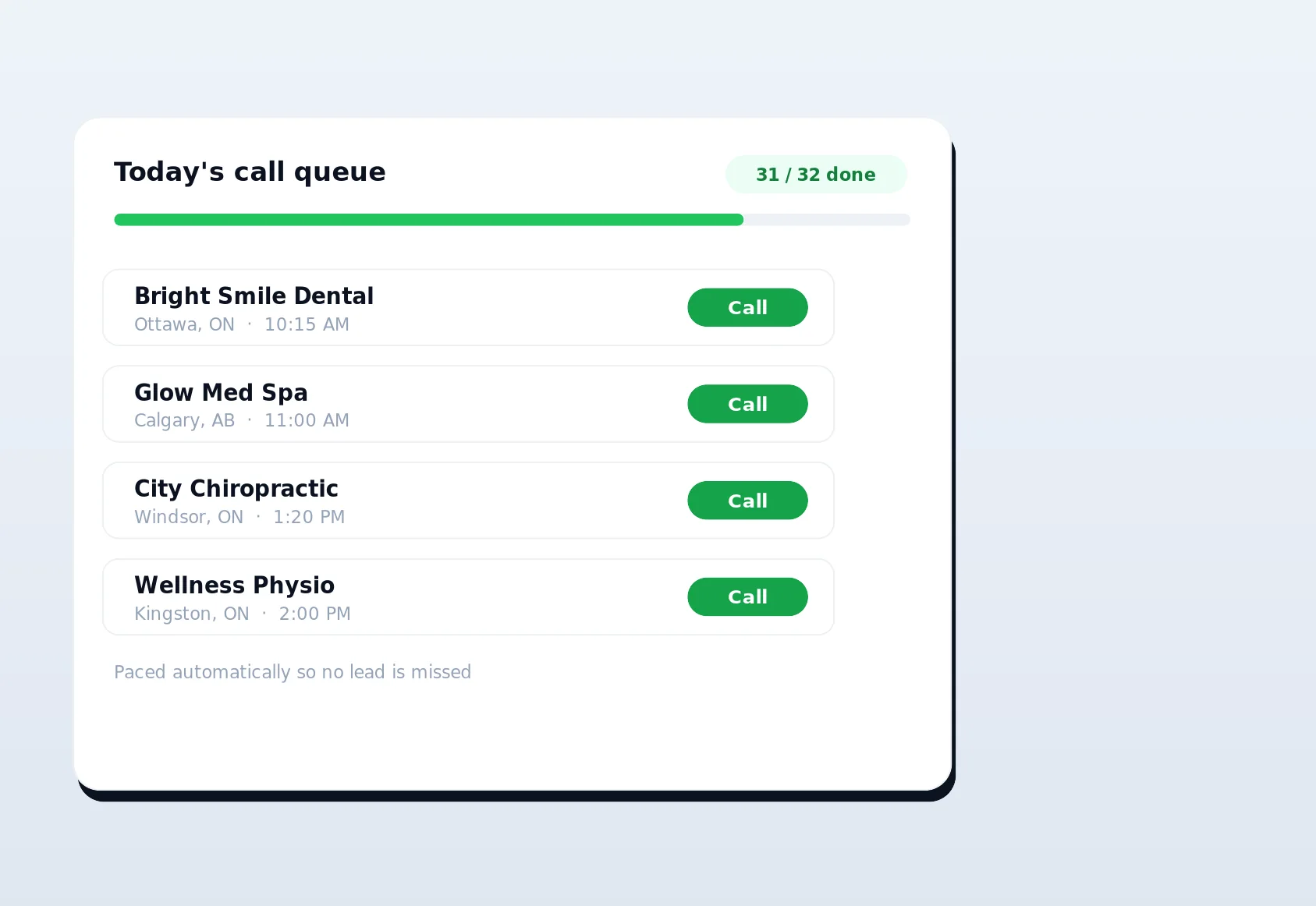
Invite the client's staff, your own account managers, or your outsourced callers. Roles control exactly what each person sees: a cold-caller gets the call queuing screen and nothing else, while the client owner gets read-only reports. Cross-tenant fairness in the call queue means your shared reps get leads distributed evenly across all sub-accounts, with cooldowns and daily caps respected per client. Nobody double-dials a business, and no single client monopolizes a shared caller's day.
Step 6 — Run SEO and backlink campaigns
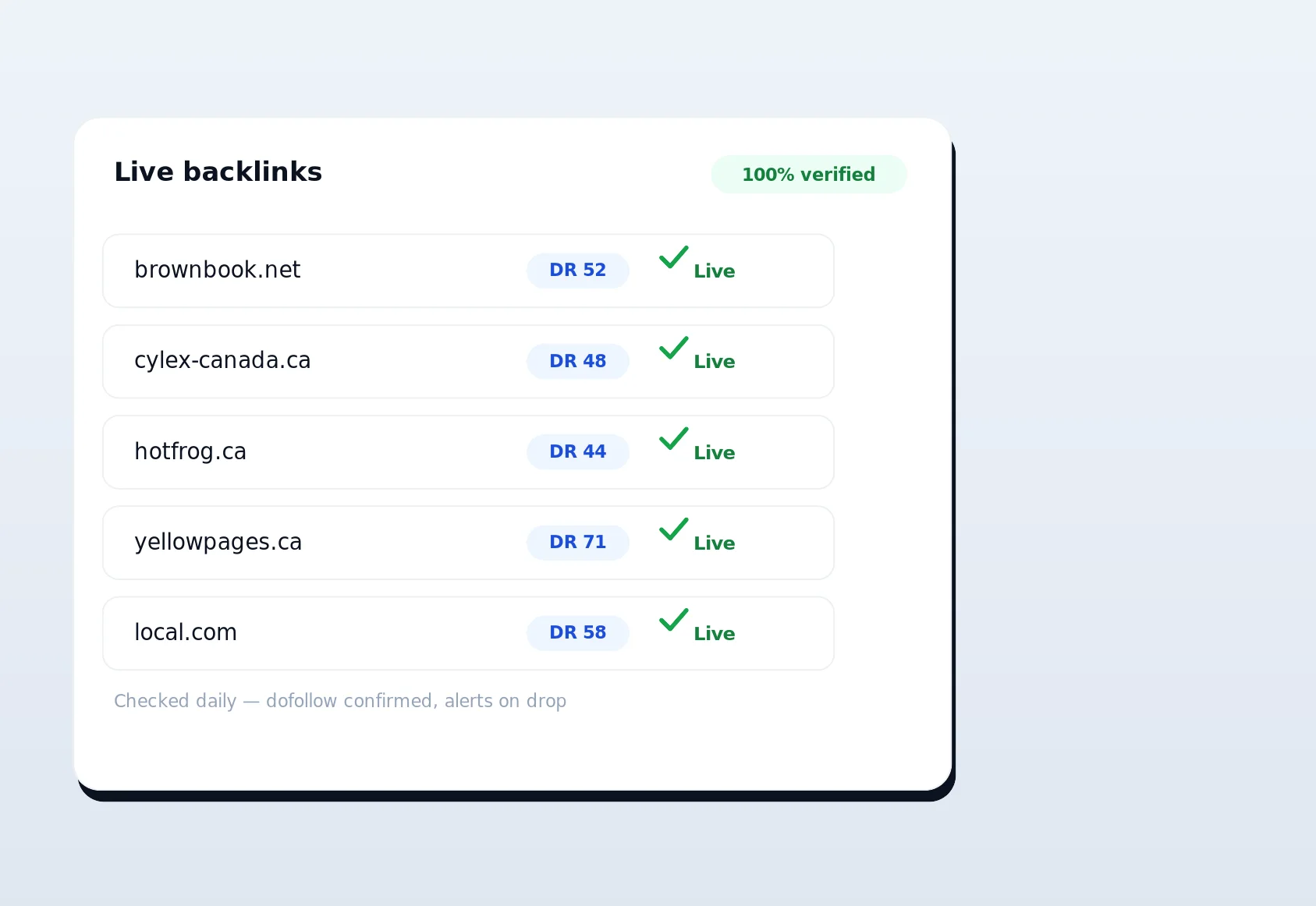
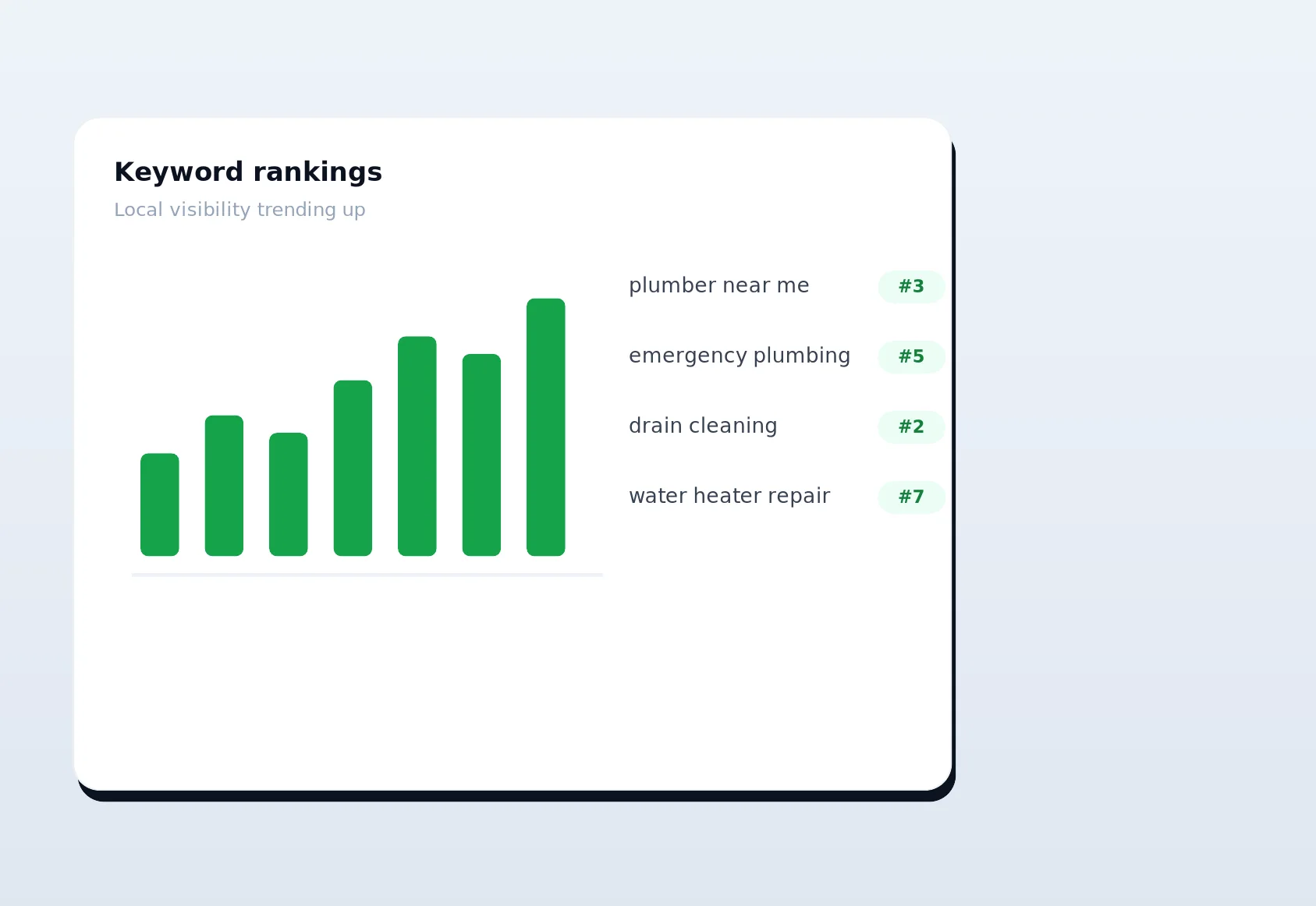
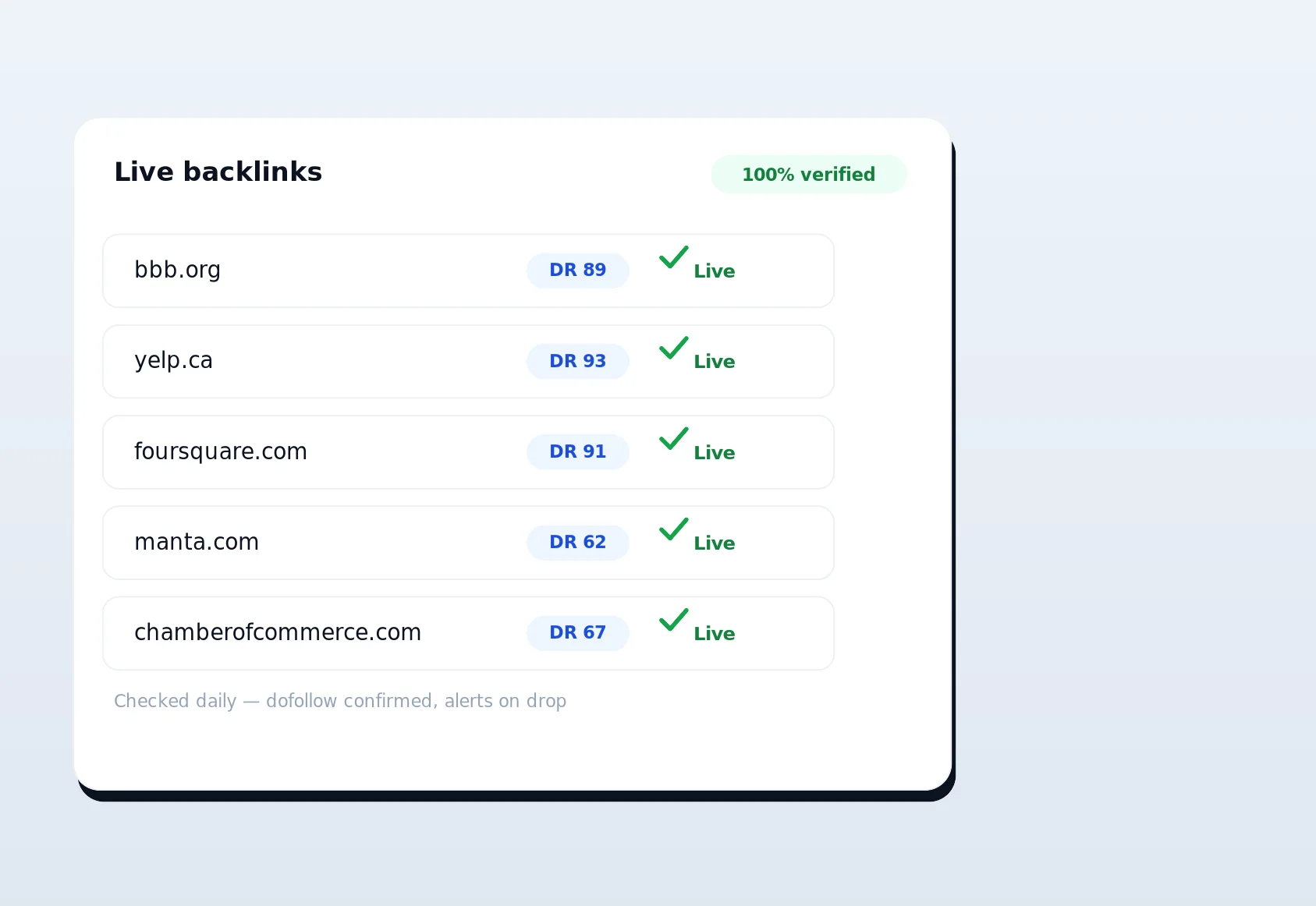
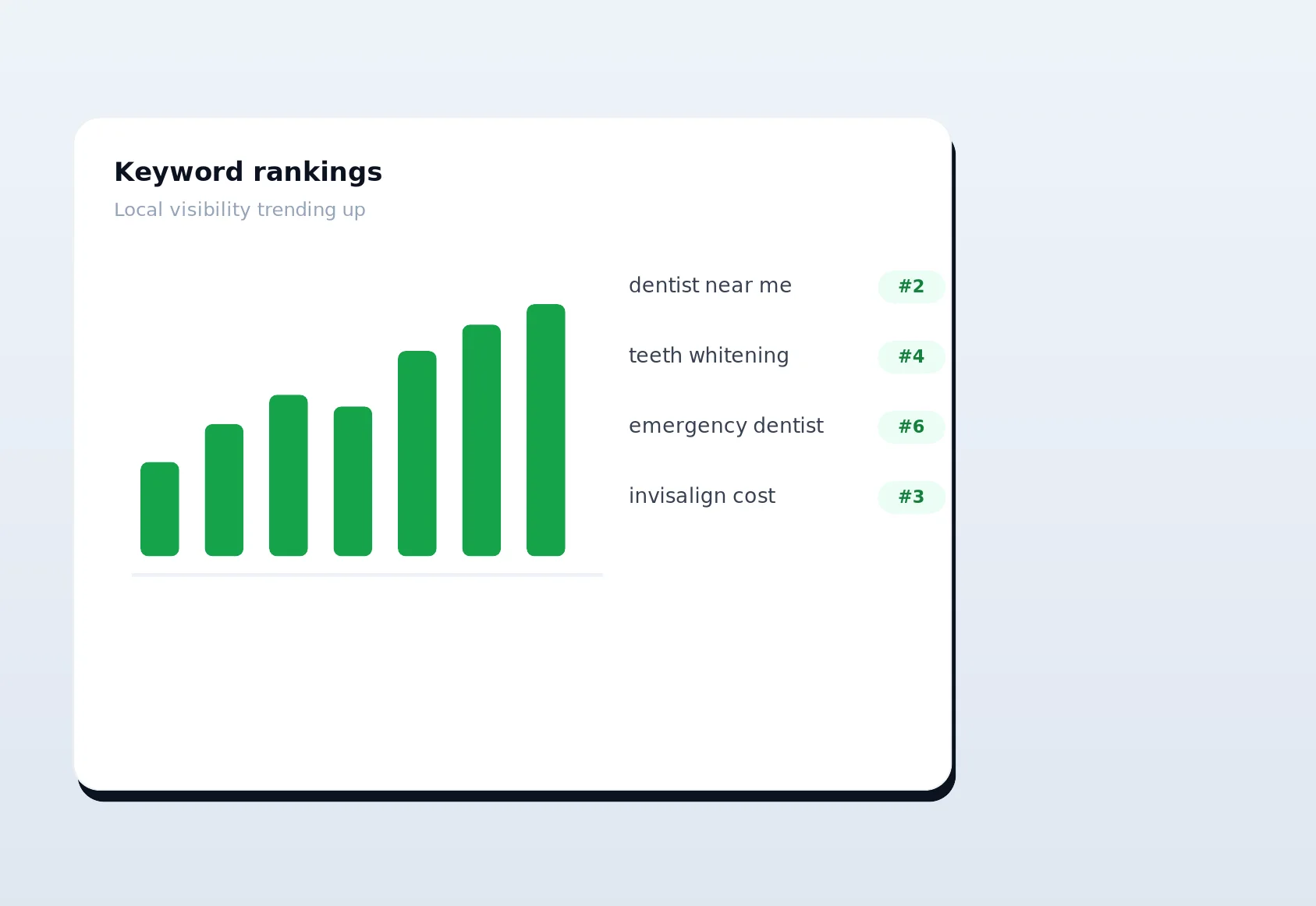
Kick off rank tracking, keyword research and competitor backlink analysis inside the sub-account, then launch automated directory backlink building. The Chrome extension auto-fills citation and directory submissions using the client's real browser and real IP, leaving no automated footprint on the listings that matter most for local rank. Because each campaign is scoped to a sub-account, you can run entirely different backlink strategies for a dentist and a roofer without any risk of the anchor-text patterns or target lists crossing over.
Step 7 — Deliver branded reports
Schedule white-labeled PDF and dashboard reports that go out under your agency name. The client sees rankings climbing, backlinks landing and calls being made — all attributed to you. No LinkSpear logo, no confusion about who's doing the work. Reports pull from live sub-account data, so there's nothing to assemble by hand at month-end; the deliverable your client expects is already built and branded before you've finished your coffee.
The concrete benefits and outcomes
Agencies don't adopt white label for novelty; they adopt it because it changes the economics of the business. Here's what actually shifts once your clients live in branded sub-accounts.
- Higher perceived value: a branded platform justifies retainer pricing far better than forwarding a third-party login. Clients pay for your system, not a reseller markup they can Google in ten seconds.
- Zero tool sprawl: lead scraping, enrichment, call queuing, rank tracking, backlinks and reporting live in one place, per client. No more reconciling five spreadsheets across four tools with four renewal dates.
- Faster onboarding: a new client goes from signed contract to populated, branded workspace in under an hour, which shortens the gap between closing a deal and showing first results.
- Cleaner footprints: per-tenant anonymous proxies for enrichment and real-IP backlink submissions keep every client's SEO profile natural and defensible against manual review.
- Retention through visibility: clients who watch calls and rankings move inside your dashboard churn far less than clients who receive a monthly PDF and silence in between.
- Predictable margins: per-sub-account plan allowances cap proxy and call spend, so a runaway campaign can't blow up your unit economics or turn a profitable client into a loss.
- Scalable operations: because every client follows the same seven-step playbook inside an identical structure, you can hand onboarding to a junior team member and trust the output.
Agency sub-accounts vs. the usual alternatives
Most agencies land here after trying one of three things: sharing a single tool login, buying separate seats per client, or duct-taping together point solutions. Each of those works for a while, then breaks the moment you add your fifth or tenth client. The table below shows why a purpose-built agency sub-accounts model wins as you scale.
| Capability | Shared single login | Separate tool per client | Stitched point solutions | LinkSpear agency sub-accounts |
|---|---|---|---|---|
| Data isolation between clients | None | Partial | Inconsistent | Full row-level |
| Your brand, not the vendor's | No | No | Rarely | Yes, custom domain |
| Custom domain & SSL | No | No | Manual | One CNAME, auto SSL |
| Cross-tenant call-queue fairness | No | N/A | No | Built in |
| Per-client spend caps | No | Fragmented | No | Per sub-account |
| Roll-up view across all clients | No | No | No | Single pane |
| Branded client reports | Manual | Vendor-branded | Manual | Automated, your brand |
| Onboarding time per client | Fast but messy | Slow | Very slow | Under an hour |
The pattern is clear: the alternatives each trade away one thing you can't afford to lose — isolation, branding, cost control or a portfolio view. Sub-accounts are the only option that keeps all four as you grow from one client to a hundred.
Who agency sub-accounts are for
The white-label model fits a specific set of teams especially well. If you recognize your business below, agency sub-accounts will pay for themselves quickly.
- Local SEO agencies managing ten, fifty or two hundred small-business clients who each need rankings, citations and a report they can actually understand.
- Lead-generation shops that sell qualified calls to service businesses and need isolated, dial-ready lists per client with fair distribution across shared callers.
- Marketing consultants and freelancers who want to look like a full agency without hiring a team or building software from scratch.
- Franchises and multi-location brands running the same playbook across dozens of locations, each treated as its own tenant with its own targets.
- Vertical specialists focused on trades like plumbers, roofers and dentists, where local citations and call volume drive the whole client relationship.
If your clients are single-location service businesses that live and die by local search visibility and inbound phone calls, the fit is near-perfect. The workflow was built around exactly that motion: find the business, enrich it, call it or rank it, and prove the result.
How it fits the wider LinkSpear workflow
Agency sub-accounts aren't a bolt-on; they're the container that everything else runs inside. The typical end-to-end flow for a single client looks like this.
First, you source businesses from the deduplicated local business directory or scrape fresh ones for the client's target market. Those contacts land in the client's isolated sub-account. Next, lead enrichment fills in the missing emails and phones through anonymous rotating proxies, producing a clean list without exposing your infrastructure or the client's.
From there, dial-ready leads flow into call queuing, where your reps work them one at a time with cooldowns and daily caps. In parallel, the SEO side runs: rank tracking, keyword research and competitor analysis inform which citations to chase, and automated directory backlink building executes the submissions through the client's real browser. Every result rolls up into a branded report. Because it all happens inside one sub-account, attribution is airtight and your dashboard tells a single, coherent story per client — you can point at a ranking gain and connect it directly to the citations you built and the calls that followed.
Governance and safety baked in
LinkSpear treats client data as permanent. Business records and directory listings are never silently deleted or auto-deactivated; they're repaired and reactivated instead. Per-sub-account audit logs surface operational, cost and error events in-app, so if a proxy budget is close to its cap or a submission fails, you see it before the client does. That governance is what lets you promise clients their data is safe — and mean it. When something needs attention, the alert reaches you inside the platform, not buried in a log file you'll never open.
Rolling out white label without disrupting current clients
A common worry is migration: "I already run clients on other tools — won't switching be painful?" In practice, agencies move one client at a time. You brand your platform once, create a sub-account for your easiest client, load and enrich their leads, and run a single reporting cycle. Once you've proven the workflow on one account, replicating it across the rest of your book is mechanical. Existing tools can keep running in parallel until you're confident, so there's no risky "big bang" cutover and no gap in the results your clients see.
Because every sub-account is identical in structure, the second migration is faster than the first, and the tenth is faster still. Many agencies find that the reporting savings alone — no more manually assembling month-end decks from four dashboards — pays back the switch within the first billing cycle.
Pricing and plans
White label and sub-account depth scale with your plan. Solo consultants often start on lower tiers to prove the model with a handful of clients, then move up to the Agency plan for full white-label domains, higher sub-account counts and larger proxy and call allowances. Every plan shares the same underlying engine — you're simply unlocking more capacity and more branding control as your book of business grows. There's no separate "white label add-on" invoice to reconcile; branding is part of the plan, and your per-sub-account allowances keep client-level costs transparent and predictable.
Start building your white-label agency today
The gap between "reseller with a shared login" and "agency with its own platform" is smaller than it looks — and it's the difference between competing on price and commanding a real retainer. With LinkSpear's agency sub-accounts and white label, you can onboard your first client into a branded, isolated workspace this afternoon, run enrichment and backlink campaigns by the weekend, and hand over a report that has your name on every page. New users get a 14-day free trial on the Starter plan, so you can build your first sub-account, load real leads and see the workflow end to end before you pay a cent. Start your trial, brand your platform, and turn LinkSpear into the product your clients think you built.