Broken link building is one of the few link-acquisition tactics that still works exactly the way search engines want it to: you help a real website owner fix a genuine problem, and you earn a genuinely editorial backlink in return. Instead of begging for links or paying for placements that leave footprints, you find pages that already link out to dead, 404ing resources, offer your own working page as the replacement, and let the webmaster do the linking. LinkSpear packages this entire workflow into a repeatable system built specifically for small businesses and the agencies that serve them.
Most SEO tools treat broken link building as a manual research chore: export a spreadsheet, check hundreds of URLs by hand, guess at contact details, and hope your cold email lands. LinkSpear replaces that grind with automated crawling, dead-link detection, contact enrichment, and outreach queuing that plugs straight into the rest of your stack. This page explains what the tactic is, exactly how our tool runs it, the concrete outcomes you should expect, who it fits, and where it sits in the wider LinkSpear workflow.
What Broken Link Building Actually Is
At its core, a broken link building campaign has three moving parts. First, a resource somewhere on the web has gone dead — a company shut down, a page was deleted, a URL changed without a redirect. Second, other websites still link to that dead resource, so every one of those outbound links now points at a 404. Third, you have (or can quickly create) a live page that covers the same topic. You reach out to the webmaster, point out the broken link, and suggest your working page as a natural replacement.
Because you are fixing something that genuinely hurts the linking site — dead outbound links waste crawl budget, frustrate visitors, and signal neglect — your pitch carries built-in value. That is why broken link building converts far better than generic "please link to me" outreach, and why the links you win tend to be contextual, in-content, and editorially given rather than dumped in a footer or paid for.
Why it still works in 2026
- It solves a real problem. Webmasters want clean, working pages. You are offering a fix, not a favour.
- The links are editorial. The site owner chooses to link, on their own page, in context — exactly the profile search engines reward.
- It leaves no footprint. There is no network, no PBN, no paid-link disclosure. Each link stands on its own.
- The opportunity pool is huge. The web decays constantly. New broken links appear every day in every niche.
How LinkSpear's Broken Link Building Tool Works
The whole point of a dedicated broken link building tool is to compress days of manual research into an hour of reviewing pre-qualified opportunities. LinkSpear runs the campaign in clear, repeatable steps so you always know what to do next.
Step 1 — Define your target topic and seed sources
You start by telling LinkSpear what your working page is about — for example, an emergency plumbing guide, a moving-checklist resource, or a local "best of" roundup. You then feed the crawler seed sources: competitor URLs, resource pages, industry roundups, and directories that are likely to link out to related content. LinkSpear also pulls candidate pages from your existing competitor backlink analysis, so the sites already linking to your rivals become your first hunting ground.
Step 2 — Crawl and detect dead links at scale
LinkSpear crawls every seed page, extracts its outbound links, and checks each one for a live response. This is where our infrastructure matters. Link verification runs through the same rotating anonymous proxy layer that powers lead enrichment, so you can check thousands of outbound URLs without hammering targets from a single IP or getting rate-limited. Every link is classified as live, redirected, soft-404, or hard-dead, and only the genuine broken links surface as opportunities.
Step 3 — Score and prioritise the opportunities
Not every dead link is worth chasing. LinkSpear scores each opportunity on how closely the dead resource matches your topic, the linking page's own authority signals, how many other sites still reference the same dead URL (a strong prospecting multiplier), and whether the page is a genuine resource list versus a throwaway. You review a ranked queue instead of a raw dump, so your outreach time goes to the links most likely to convert.
Step 4 — Enrich contact details automatically
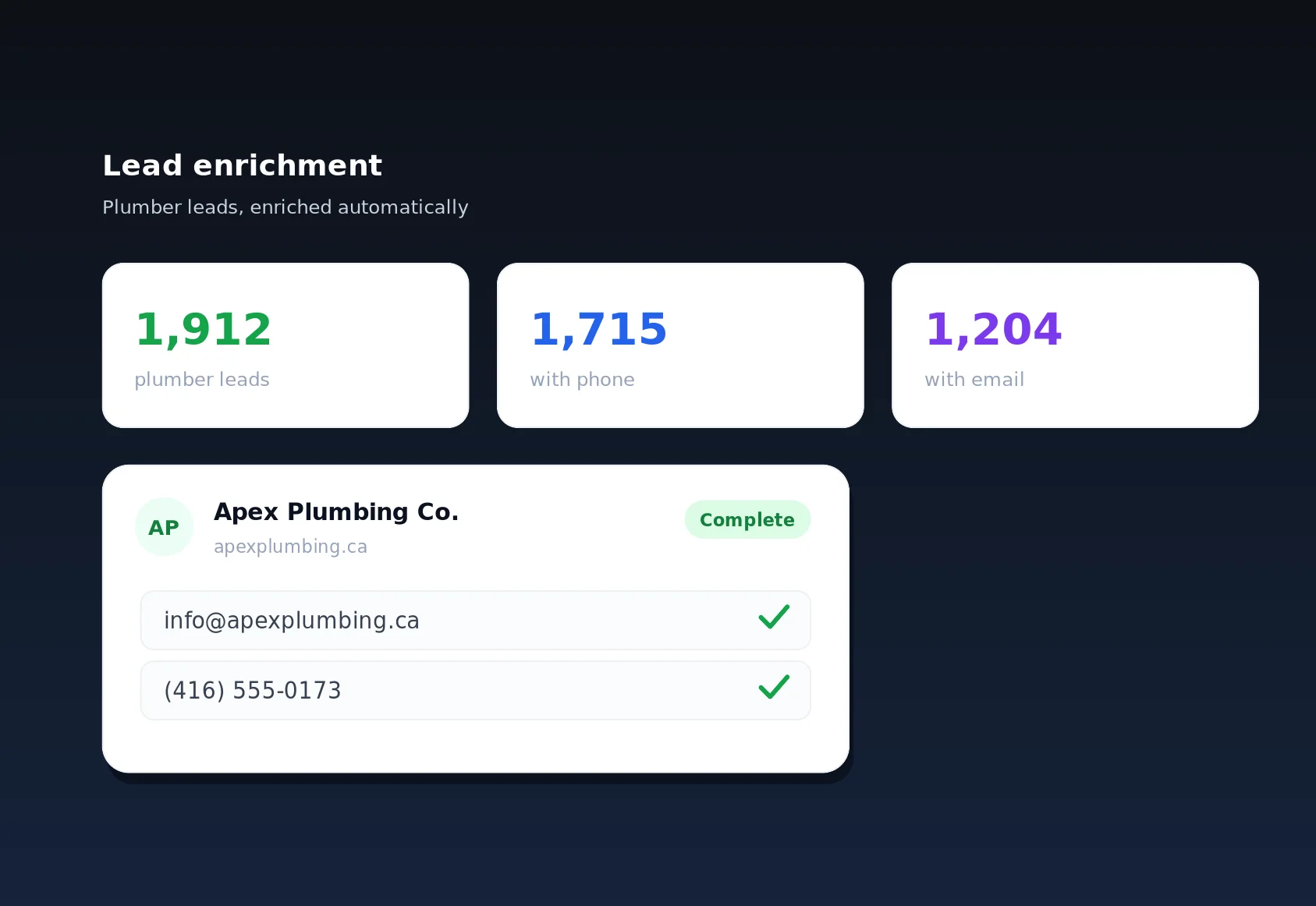
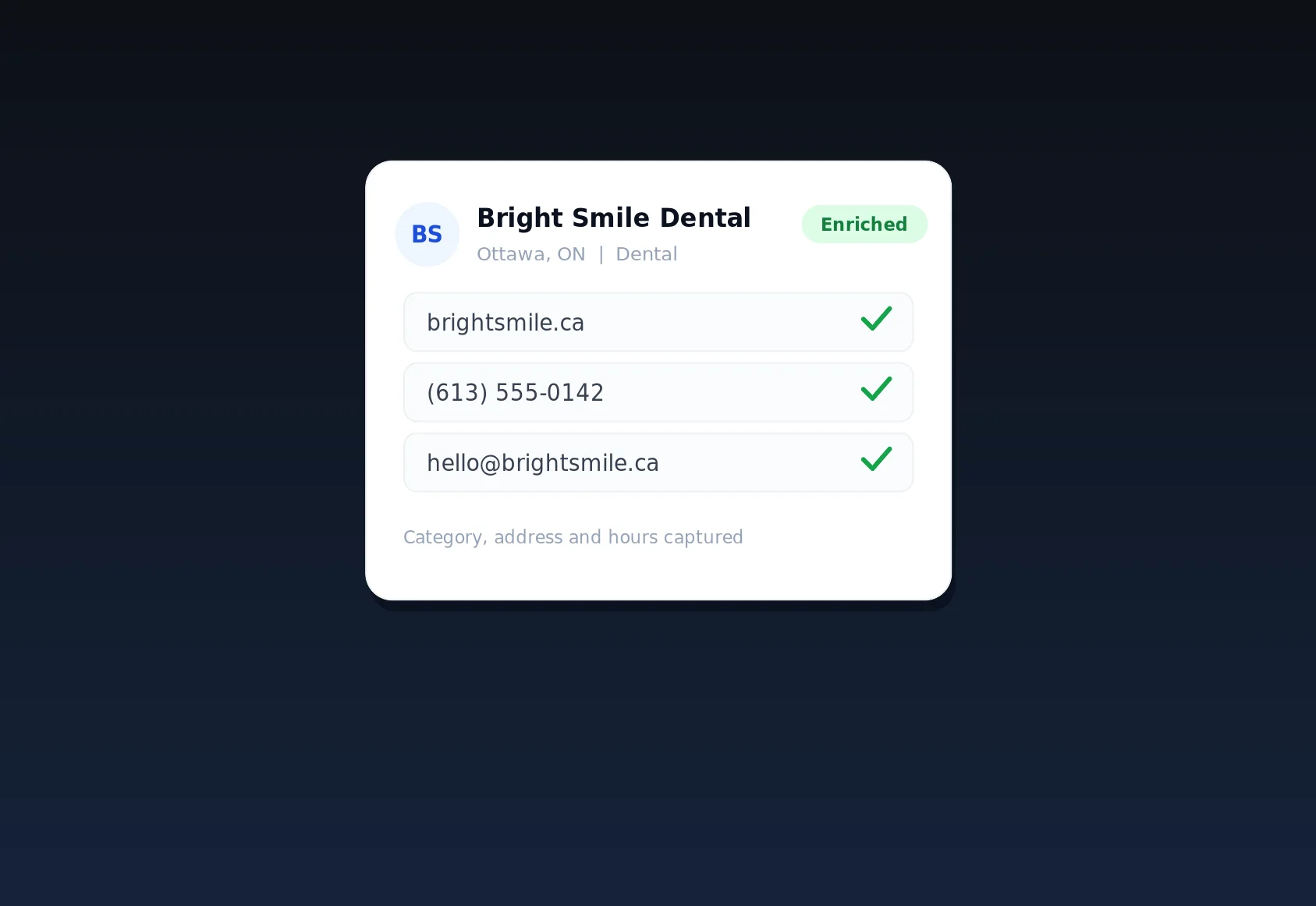
An opportunity is useless without a way to reach the site owner. LinkSpear runs each linking domain through the same enrichment engine behind our local business directory: it visits the site through anonymous proxies, pulls the contact email, phone, and business details from the page, and attaches a full contact card to the opportunity. No manual hunting for a "contact us" page, no guessing at email formats.
Step 5 — Queue and manage outreach
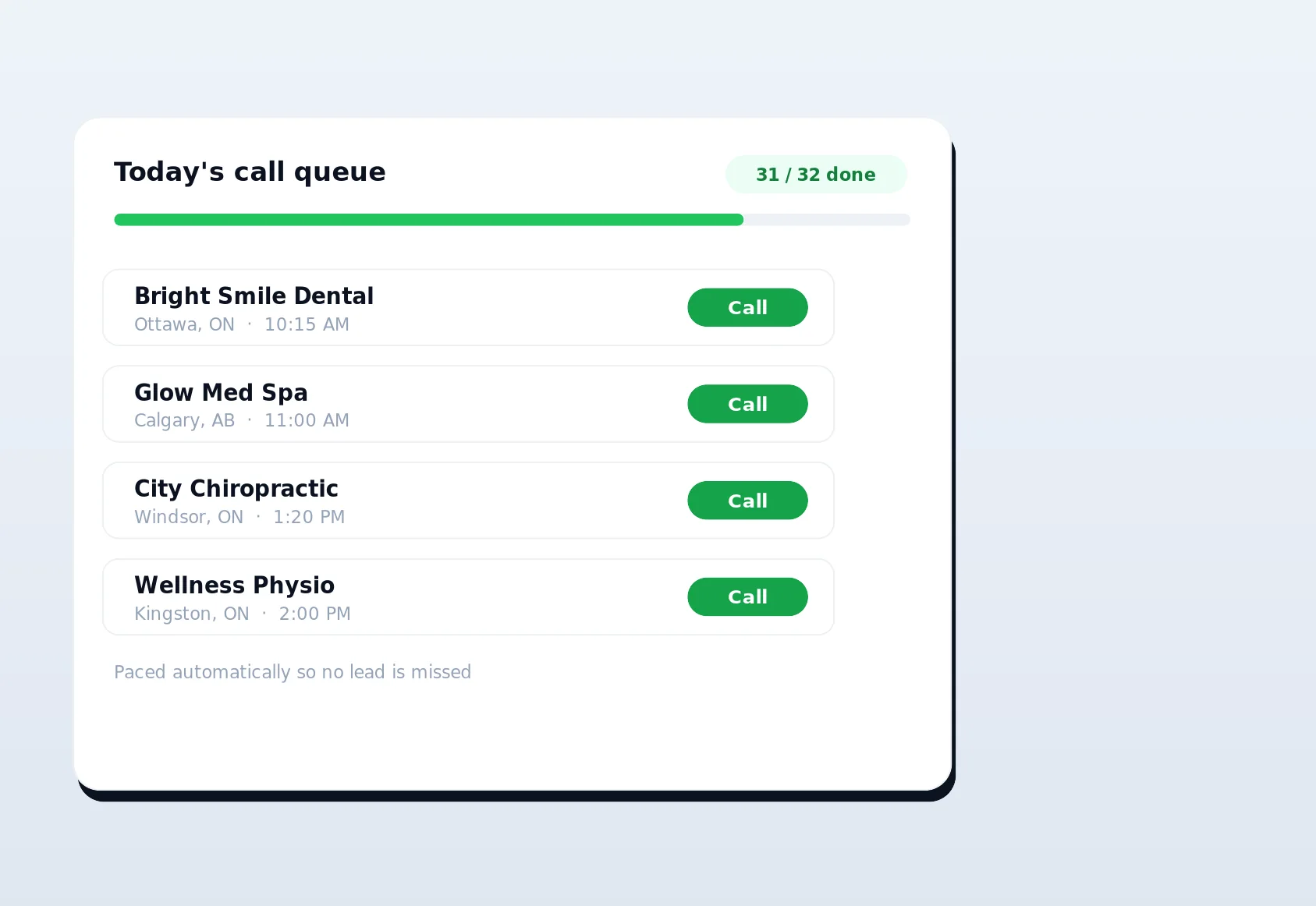
Approved opportunities flow into an outreach queue that borrows the fairness and pacing logic from our call queuing system: contacts are handed out with cooldowns and daily caps so you never over-contact a domain or trip spam thresholds. You send a templated but personalised pitch — "I noticed the link to X on your resources page is dead; here is a working replacement" — and track replies, wins, and follow-ups in one place.
Step 6 — Verify the placed link
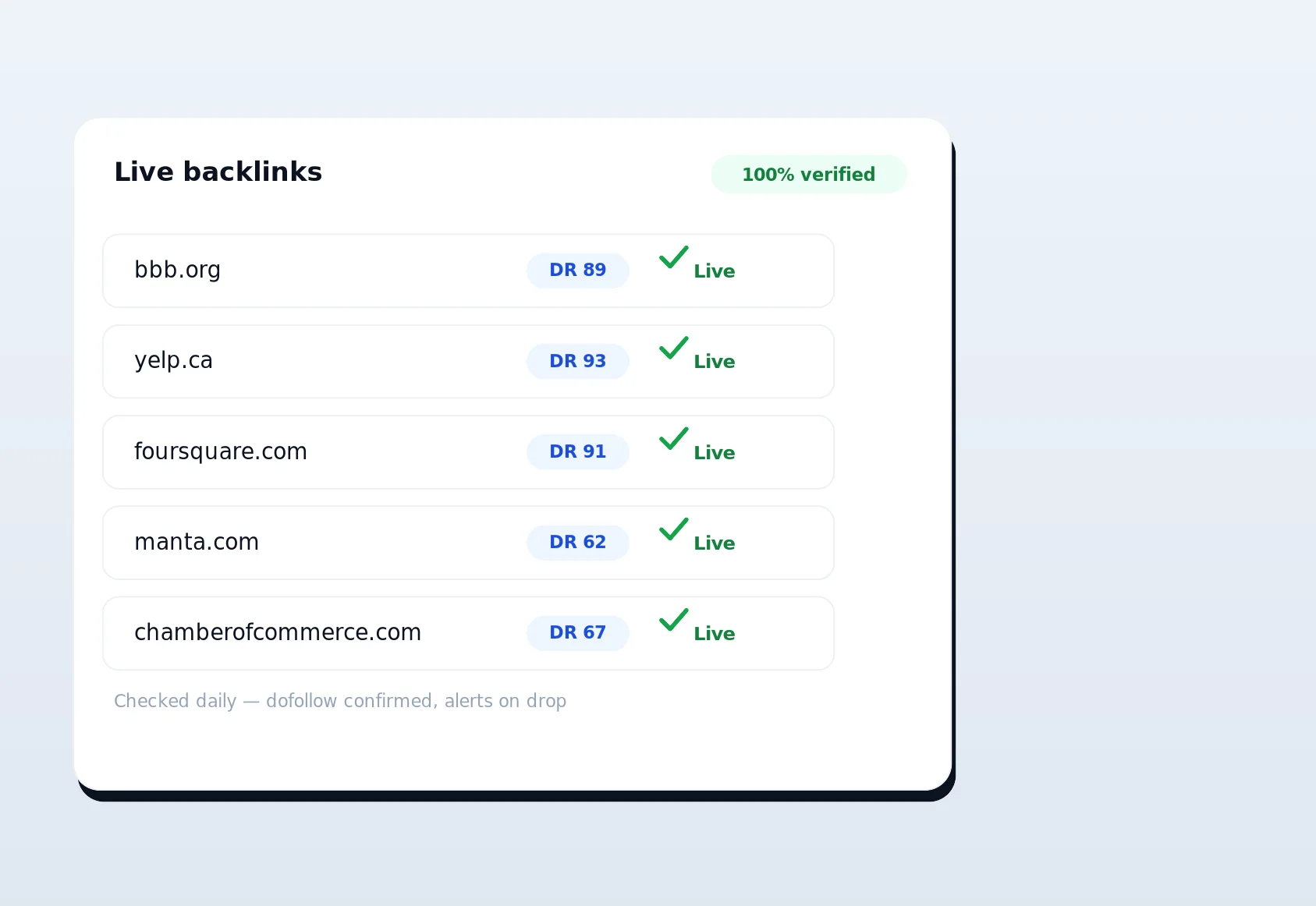
When a webmaster adds your link, LinkSpear's live-link verification confirms it went live, checks that it is a real followed link on the promised page, and keeps monitoring it over time so you know the moment a hard-won backlink disappears.
What You Get: Concrete Outcomes
Broken link building is a means to an end — more authority, more rankings, more local visibility. Here is what running it inside LinkSpear actually produces for a small business or agency.
- Editorially placed, contextual backlinks on relevant pages, not directory dumps or paid slots.
- A steady, renewable pipeline of prospects. Because the web keeps breaking, you can re-run campaigns monthly and always find fresh opportunities.
- Higher outreach conversion rates, because your pitch fixes a problem rather than asking for a favour.
- Time saved measured in days. Automated crawling, verification, and enrichment remove the parts of the tactic everyone hates.
- Cleaner competitive positioning. Many of your best opportunities are pages currently linking to a dead competitor resource — you replace them in the exact context where a rival used to sit.
Broken Link Building vs Other Link Tactics
To understand why we built this into LinkSpear, it helps to compare broken link building against the other ways small businesses try to earn links. The table below lays out the trade-offs on the dimensions that matter most for local SEO.
| Tactic | Link quality | Footprint risk | Effort per link | Scalability |
|---|---|---|---|---|
| Broken link building | High — editorial, in-context | Very low | Medium (mostly automated in LinkSpear) | High — renewable prospect pool |
| Directory / citation building | Medium — consistency & NAP value | Low | Low | High |
| Guest posting | Medium–high | Medium | High — write full articles | Medium |
| Paid / sponsored links | Variable | High — disclosure & devaluation risk | Low | Low (cost scales linearly) |
| Cold "please link" outreach | Low–medium | Low | High — poor conversion | Low |
Broken link building is not a replacement for everything else — it works best alongside citations and content — but on the quality-to-risk ratio it is hard to beat, and it complements the automated directory backlink building you are already doing in LinkSpear.
Who Broken Link Building Is For
This tactic rewards businesses that have (or can quickly publish) a genuinely useful page worth linking to. It fits especially well for:
- Local service businesses — plumbers, electricians, roofers, HVAC, and other trades that publish practical guides, checklists, and emergency resources people cite.
- Marketing and SEO agencies running link campaigns across many client accounts, who need a repeatable, footprint-free tactic they can defend to clients.
- Multi-location and franchise brands that want authority signals feeding into local rankings without risky paid-link schemes.
- Content-forward small businesses — clinics, law firms, real-estate teams — whose resource pages are exactly the kind of asset webmasters happily link to as a replacement.
When it is not the right first move
If you have no linkable page yet, build that first — a thin homepage rarely wins replacement links. And if your Google Business Profile and core citations are a mess, fix those foundations before chasing authority links; LinkSpear's directory and enrichment tools handle that groundwork so broken link building has something solid to stand on.
How It Fits the Wider LinkSpear Workflow
Broken link building is not a standalone island in LinkSpear — it reuses the same infrastructure that powers the rest of the platform, which is why it is fast and safe to run.
- Anonymous proxy layer: the crawling and verification that finds dead links uses the same rotating, IP-masked client as lead enrichment, so your own IP never leaks and targets never see a single hammering source.
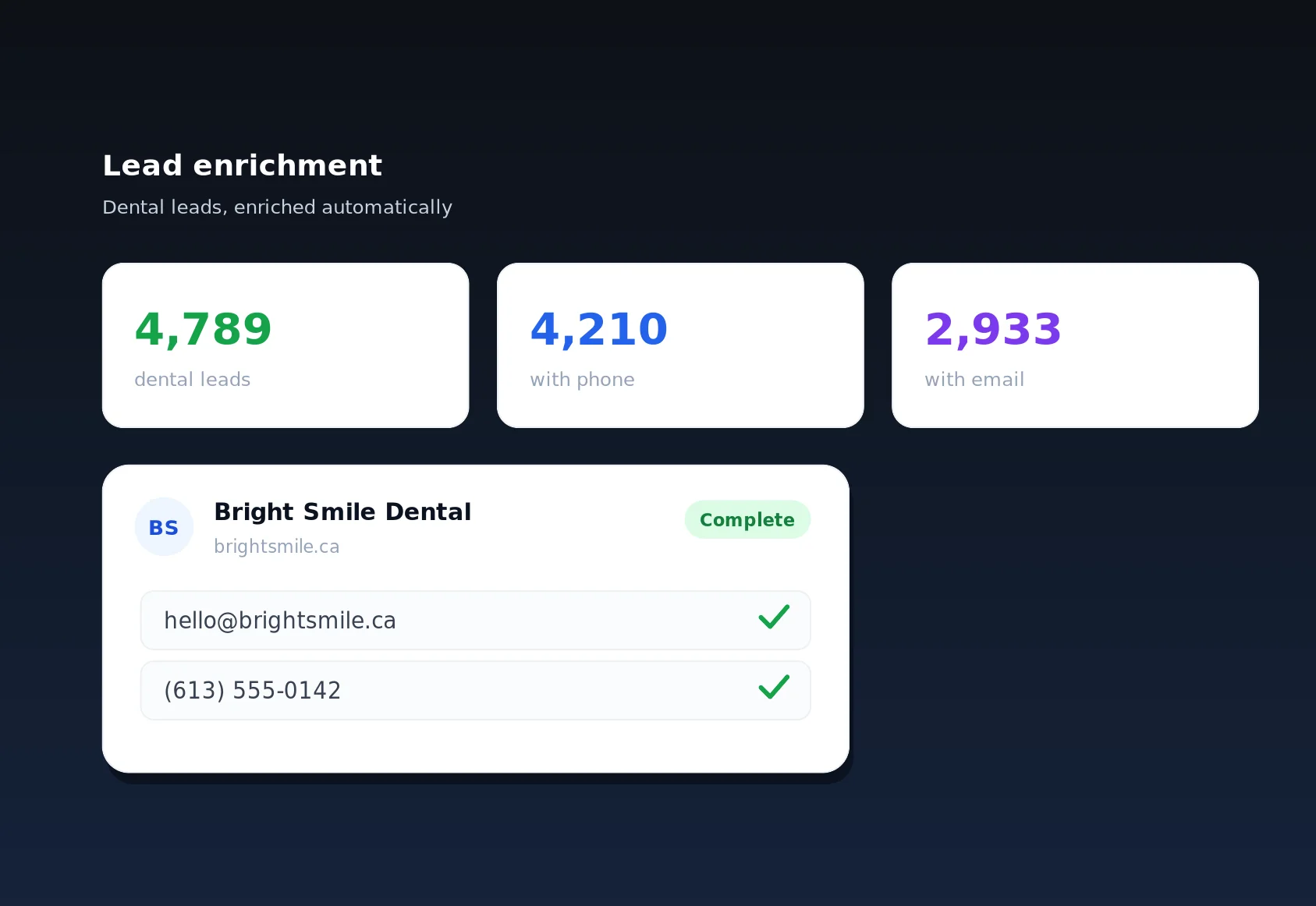
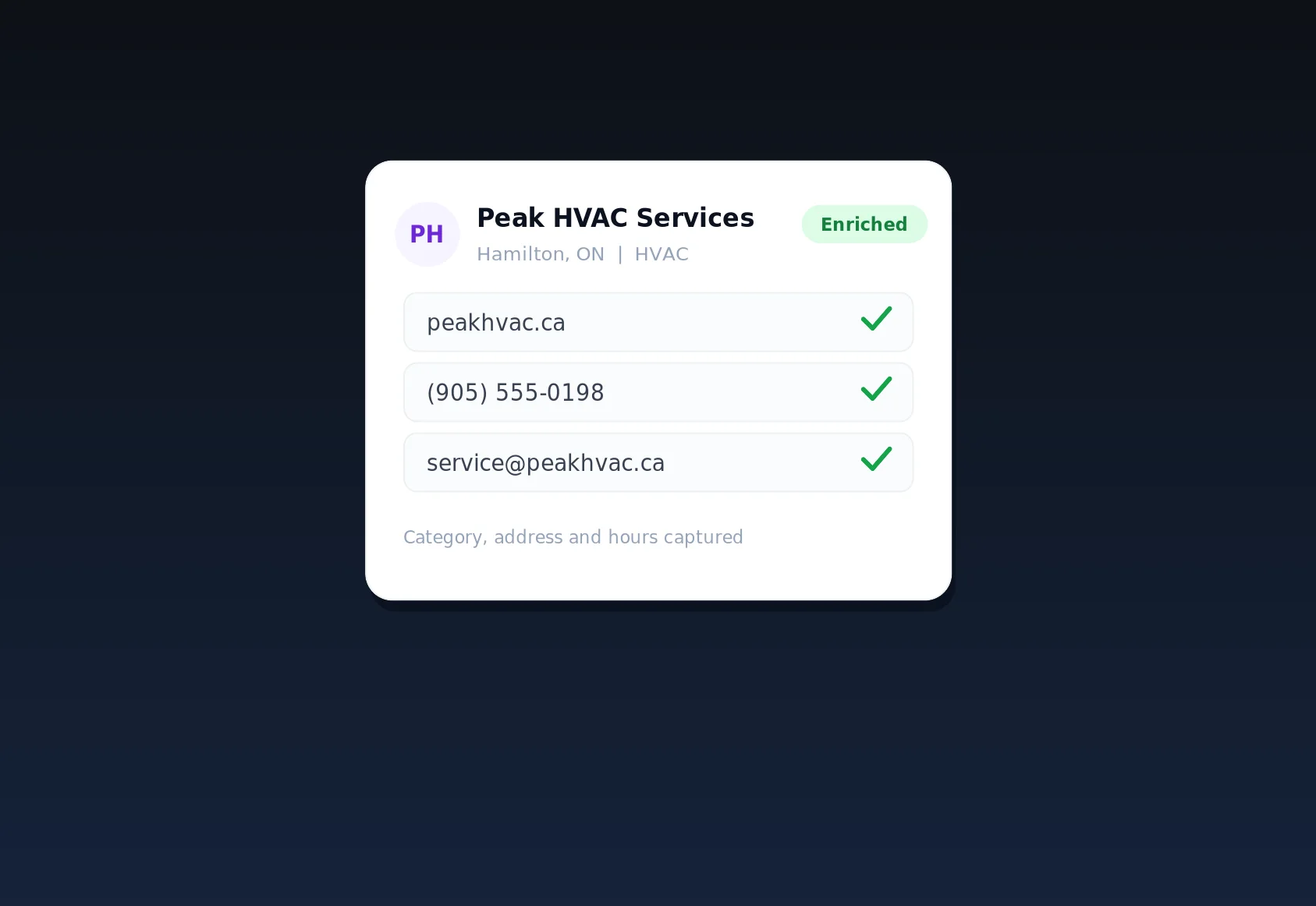
- Contact enrichment: the engine that fills email and phone for your sales leads also enriches your outreach prospects, so every opportunity arrives with a full contact card.
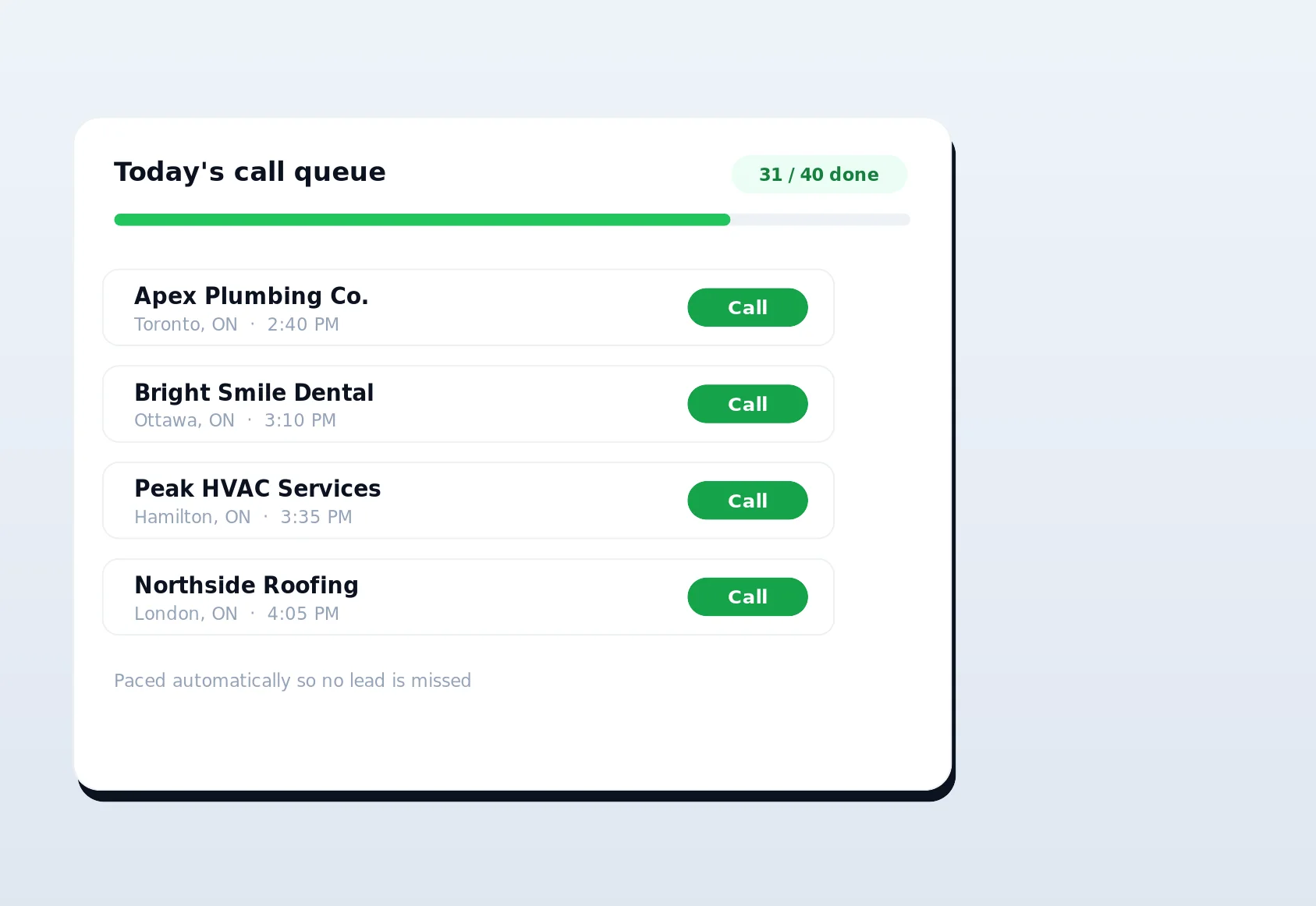
- Queuing and fairness: outreach pacing borrows the cooldowns and daily caps from call queuing, protecting your sender reputation.
- Verification and monitoring: won links flow into live-link verification alongside your citations, giving you one dashboard for every backlink you have earned.
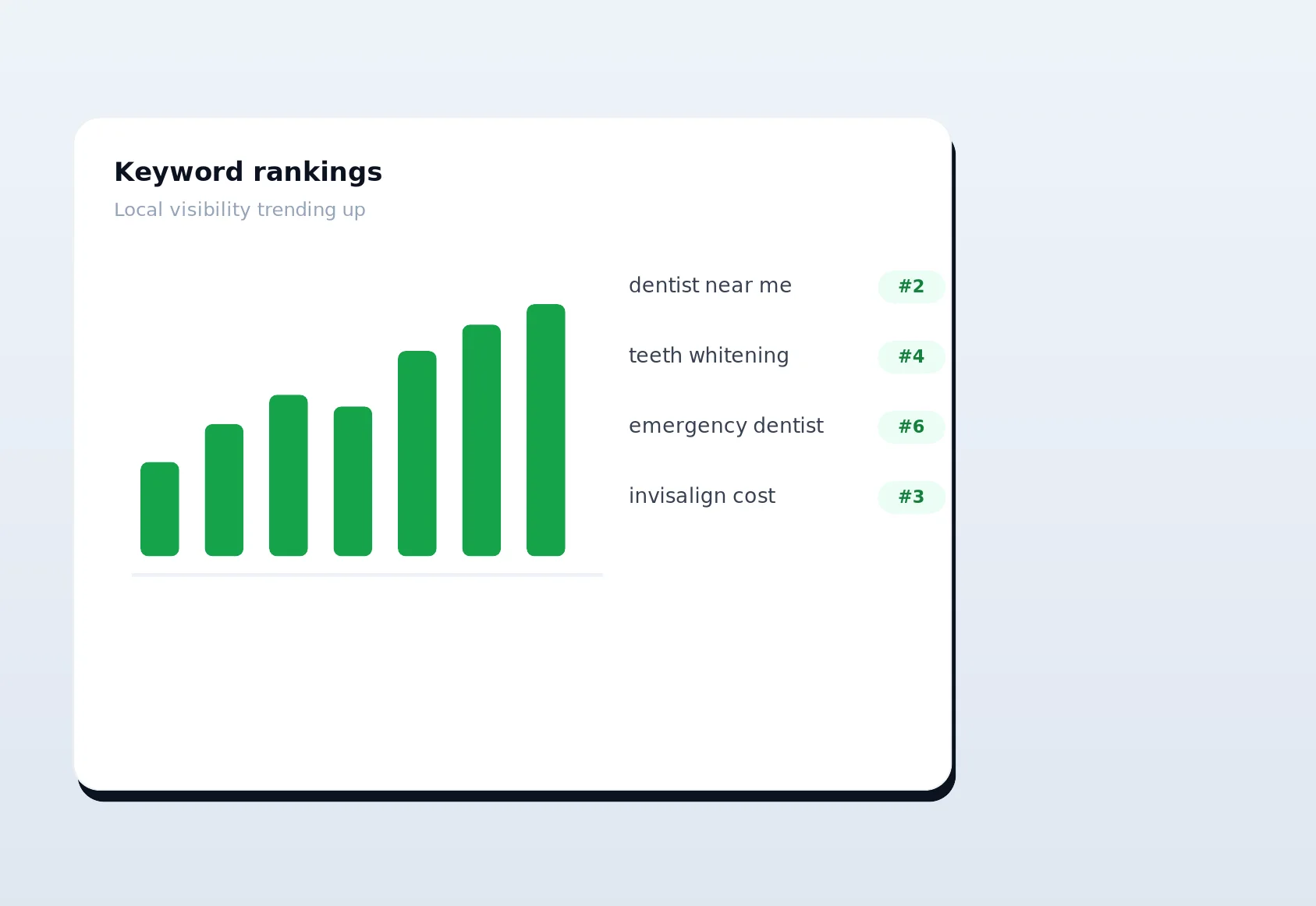
- Reporting: new links feed your rank tracking and reporting, so you can tie link wins to ranking movement for each client or location.
The result is that a tactic which is usually stitched together from three or four disconnected tools runs end-to-end in one place, on infrastructure you already trust for lead generation.
Best Practices for a High-Converting Campaign
The tool does the heavy lifting, but a few habits separate campaigns that win links from campaigns that get ignored.
- Match intent precisely. Only pitch your page where it is a genuine like-for-like replacement for the dead resource. A loose match reads as spam.
- Lead with the fix, not the ask. Open by flagging the broken link and its location. The replacement suggestion should feel like a helpful afterthought.
- Personalise the first line. Reference the specific page and the specific dead URL — LinkSpear surfaces both, so there is no excuse for a generic template.
- Follow up once, politely. A single, well-timed follow-up materially lifts reply rates; the queue schedules it for you.
- Re-run monthly. The web decays continuously. A campaign you ran in January will surface brand-new broken links by March.
A Realistic Example Campaign
It helps to walk through what a campaign looks like in practice for a typical small business. Imagine a two-van residential plumbing company that has just published a genuinely useful guide: "What to do in the first 10 minutes of a burst pipe." It is the kind of page that regional home-improvement blogs, property-management sites, and city living guides would happily reference.
Inside LinkSpear, the owner seeds the crawler with a handful of URLs: three competitor plumbing sites, two "local home services" resource pages, and a regional real-estate blog's recommended-vendors list. LinkSpear crawls those pages plus the sites already linking to the competitors — pulled straight from competitor backlink analysis — and checks every outbound link through the anonymous proxy layer. Within minutes it flags nineteen dead links across those linking pages, including several that once pointed to a defunct "emergency plumbing tips" article from a company that has since closed.
Those nineteen become a ranked queue. The top opportunities are pages where the dead resource matched the burst-pipe topic closely and where multiple other sites still reference the same broken URL. LinkSpear enriches each linking domain with a contact card — email, phone, and business name — and the owner approves eleven that are a clean like-for-like match. Outreach goes out over the following days, paced by the queue so no domain is contacted twice and sender reputation stays intact. A few weeks later, live-link verification confirms four new editorial backlinks on relevant local pages, each sitting exactly where a dead competitor link used to be. That is four contextual links the business's rivals cannot simply buy back.
Measuring Success and Avoiding Pitfalls
Because broken link building runs inside LinkSpear rather than a spreadsheet, you can hold it to real metrics instead of gut feel. The numbers worth watching are opportunities surfaced per campaign, approval rate after your relevance review, reply rate on outreach, and — the one that matters most — verified links placed. Tie those verified links back to rank tracking and you can attribute ranking movement for a specific page or location to the links you earned, which is exactly the reporting an agency needs to justify the work to a client.
A few pitfalls sink otherwise good campaigns, and they are easy to avoid:
- Chasing low-relevance links. A dead resource that only loosely matches your page will get you ignored or, worse, a low-value link. Trust the relevance score and skip the marginal ones.
- Over-contacting a domain. Blasting the same site about several broken links at once reads as spam. The queue's cooldowns exist precisely to stop this — respect them.
- Ignoring soft-404s. Some "dead" pages return a 200 status with a not-found message. LinkSpear classifies these separately so you do not pitch a link that technically still resolves.
- Sending your working page cold with no context. Always name the exact broken link and where it sits. The whole conversion advantage of this tactic comes from leading with the fix.
- Running it once and stopping. The single biggest waste is treating this as a one-off. The renewable nature of dead links is the whole point — schedule it as a recurring play.
Getting Started Is Fast
You do not need a technical background or a big budget to run your first campaign. Point LinkSpear at a handful of competitor and resource URLs, let it crawl and verify, review the ranked opportunities, approve the ones that fit, and start sending. Most users find their first cluster of qualified broken links within their first session, and because enrichment and queuing are built in, they are sending real outreach the same day rather than building spreadsheets for a week.
Broken link building is the rare link tactic that gets stronger the more you understand it and the better your tools are — and LinkSpear gives you both the workflow and the infrastructure to run it at scale without leaving footprints. If you want editorially earned backlinks that competitors cannot simply buy, this is where to start. New accounts get a 14-day free trial on the Starter plan — no risk, no long-term commitment — so you can run a real campaign, win real links, and see the ranking impact before you ever pay. Start your trial today and turn the web's dead links into your live backlinks.