Anchor text optimization is the discipline of controlling which words point at your pages from across the web, and in what proportions. Get the mix right and search engines read your backlink profile as the natural byproduct of a real, well-known business. Get it wrong — stuff too many exact-match keywords into your anchors — and you invite the kind of algorithmic suppression that quietly caps your rankings for months. LinkSpear turns this from a nervous guessing game into a measurable, repeatable process built directly into the way you already earn and place links.
Most small businesses and agencies never look at their anchor text until something goes wrong. A page that used to rank on page one slides to page three, traffic dries up, and nobody can point to a single obvious cause. More often than not, the culprit is an anchor profile that skewed too far toward commercial keywords — the digital equivalent of a business that only ever describes itself in ad copy. This page explains what anchor text optimization is, how LinkSpear measures and fixes it, and how it plugs into the wider workflow that already powers your lead enrichment and directory submissions.
What Anchor Text Actually Signals to Search Engines
Anchor text is the clickable words wrapped around a hyperlink. When another site links to you with the words "emergency plumber Denver," that phrase tells search engines something about the topical relevance of the destination page. It is one of the oldest and most durable ranking signals on the web — which is exactly why it is so heavily scrutinized. Because anchor text is such a strong signal, it is also one of the easiest to abuse, and search engines have spent two decades learning to detect manipulation.
The important nuance is that anchors are read in aggregate, not one at a time. A single keyword-rich anchor is harmless. Hundreds of near-identical keyword anchors, all appearing in a short window, from thin directory pages, look engineered — because they are. Natural profiles are messy: they contain brand mentions, bare URLs, "click here" throwaways, partial phrases, and the occasional exact-match keyword. Anchor text optimization is about deliberately recreating that healthy messiness instead of accidentally building a profile that screams "someone is trying to rank for money terms."
There is a second layer most people miss: relevance and context matter alongside raw ratios. An exact-match anchor sitting inside a paragraph about your industry, on a topically related page, reads very differently from the same phrase dropped into an unrelated footer link. Search engines weigh the surrounding text, the linking page's subject, and the site's authority when they decide how much a given anchor should count. LinkSpear keeps its scoring pragmatic — it optimizes the levers you can actually control, the distribution and velocity of the anchors you place — while reminding you that a link's home matters as much as its wording.
The Anchor Text Categories You Need to Balance
LinkSpear classifies every inbound anchor it finds into a small set of buckets. Understanding these categories is the foundation of any serious anchor text optimization effort, because your target distribution is expressed in terms of them.
- Branded: your business name or a close variant — "LinkSpear," "LinkSpear SEO." These are the safest, most natural anchors and should dominate a healthy profile.
- Naked URL: the raw link, like linkspear.com. Extremely common in genuine citations and forum mentions.
- Exact match: the precise keyword you want to rank for — "anchor text optimization tool." Powerful but dangerous in volume.
- Partial match: a keyword embedded in a longer, natural phrase — "the anchor text tool we use at the agency."
- Generic: "click here," "read more," "this website" — low signal but very natural.
- Brand + keyword: a blend like "LinkSpear anchor text audit," which carries relevance without looking manipulative.
- Image / empty: links wrapped around images where the alt text becomes the anchor.
No single "correct" ratio applies to every site, but real-world profiles that rank well and stay ranked tend to lean heavily branded and naked, with exact-match anchors kept to a modest minority. LinkSpear benchmarks your live profile against these healthy ranges and flags where you drift outside them.
How Anchor Text Optimization Works in LinkSpear
The tool is designed to fit the way you already build links, whether that is through manual outreach, citations, or LinkSpear's own automated directory backlink building. Here is the end-to-end flow.
Step 1 — Discover every anchor pointing at you
LinkSpear pulls your existing backlink data from its competitor backlink analysis index and combines it with the links you have placed through the platform. Every anchor is normalized — casing, whitespace and tracking parameters stripped — so "Emergency Plumber" and "emergency plumber" are counted as the same intent, not two different anchors.
Step 2 — Classify and score the distribution
Each anchor is sorted into the categories above, then rolled up per target URL. The tool computes your current percentage split and compares it to a recommended distribution tuned for your page type — a money page carries a different healthy profile than a blog post or a homepage. You get a single, plain-language over-optimization score plus the exact anchors dragging it up.
Step 3 — Surface the risks
Anything that looks engineered is called out: a spike of identical exact-match anchors, a cluster of new commercial anchors added in a tight time window, or a money page whose branded share has fallen below a safe floor. These warnings land in your audit log so nothing important gets lost in a dashboard nobody checks.
Step 4 — Get a prescriptive anchor plan
Instead of just telling you a page is over-optimized, LinkSpear tells you what to build next. If your exact-match share is 9 points too high, it recommends the specific number and type of branded, naked and generic anchors to add so the ratio corrects itself as your profile grows — no need to remove existing links, which is often risky and rarely necessary.
Step 5 — Feed the plan back into link building
The recommended anchors flow straight into the directory submission queue. When the Chrome extension auto-fills your next batch of citations using your real browser and real IP, it draws from the corrective anchor plan, so every new link nudges your distribution toward healthy instead of away from it.
Step 6 — Monitor and re-audit
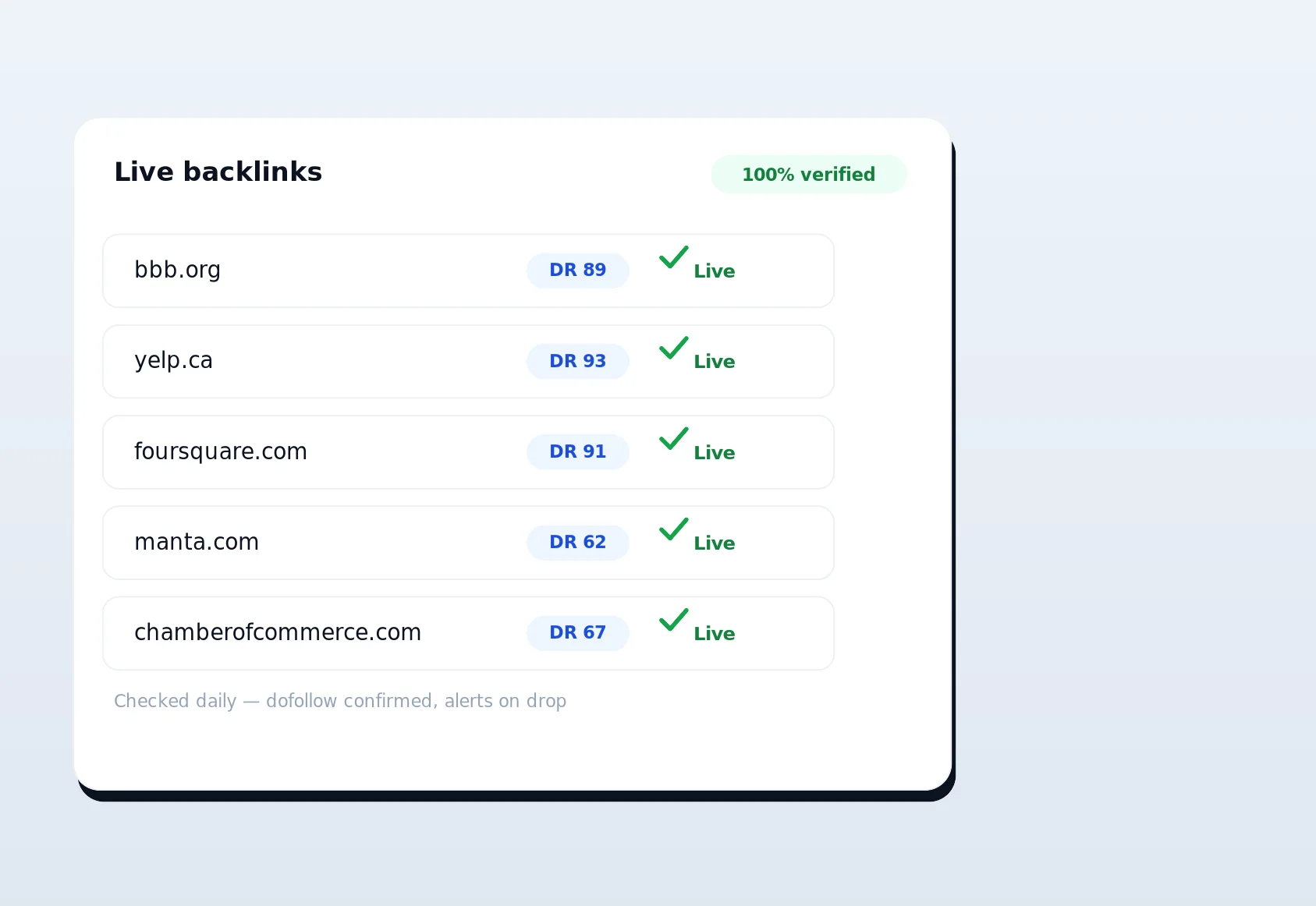
Anchor profiles drift as the web changes and as competitors link to you. LinkSpear re-audits on a schedule, tracks your distribution over time, and confirms via live-link verification that the anchors you built are still live and still carrying the text you intended.
Branded vs Exact Match Anchor Text: Getting the Ratio Right
The single most common mistake we see is a lopsided branded vs exact match anchor text ratio. A brand-new local business with fifteen backlinks, twelve of which are the exact phrase "best HVAC repair Austin," has a profile no real company ever grows organically. Real brands accumulate their name far faster than any keyword, because customers, partners and journalists refer to businesses by who they are, not by the search term you happen to want.
LinkSpear treats branded and naked anchors as the ballast that keeps everything else safe. As long as those two categories make up the bulk of your profile, a healthy sprinkle of exact and partial-match anchors reads as normal editorial variety rather than manipulation. The tool watches that balance continuously and warns you the moment a money page's commercial share climbs toward the danger zone, long before it becomes an over-optimized anchor text penalty risk.
Consider a simple example. A plumber's service page has thirty backlinks: twenty-two are the exact phrase "drain cleaning Sacramento," five are the business name, and three are naked URLs. That is a profile begging to be discounted — more than seventy percent of anchors are hammering one commercial phrase. LinkSpear would score it deep in the red and recommend the fastest safe correction: build the next fifteen to twenty links as a blend of branded, naked and generic anchors, with only the occasional partial-match, until the exact-match share settles back into a defensible minority. You never touch the original twenty-two links; you simply grow around them until the aggregate looks like something a real business earned over time.
Avoiding the Over-Optimized Anchor Text Penalty
"Penalty" is a loaded word. In practice, most over-optimization damage is not a manual action from a human reviewer — it is algorithmic dampening that simply stops trusting your links for the terms you tried hardest to rank for. The frustrating part is that it is largely invisible: no notification, no red banner, just a page that never quite breaks through no matter how many links you add.
LinkSpear is built to keep you on the safe side of that line by default. A few of the guardrails:
- Velocity awareness: the tool flags when too many commercial anchors appear too quickly, which is a stronger manipulation signal than the raw ratio alone.
- Per-page targets: your homepage, service pages and blog posts each get their own recommended distribution instead of one blunt sitewide rule.
- Diversity nudges: when your last several links all used similar phrasing, the next recommended anchors deliberately vary to break the pattern.
- No destructive fixes: LinkSpear corrects by adding balancing anchors, never by encouraging you to strip out links you worked to earn.
The result is an anchor profile that trends more natural over time, so your best pages can finally rank on the strength of the links you are already building.
Anchor Text Optimization vs Doing It by Hand
Plenty of SEOs track anchors in a spreadsheet. It works — until you manage more than a handful of pages, or more than one client. The comparison below shows where a dedicated anchor text distribution tool pulls ahead.
| Capability | Manual spreadsheet | LinkSpear anchor text optimization |
|---|---|---|
| Anchor discovery | Copy-paste from various tools | Auto-pulled from the backlink index and placed links |
| Classification | Manual judgment, inconsistent | Automatic, rule-based categories |
| Over-optimization scoring | Gut feel | Per-page score against tuned targets |
| Velocity / spike detection | Effectively impossible | Built in, surfaced in the audit log |
| Corrective plan | You improvise | Exact anchors to build next |
| Execution | Separate manual work | Feeds the directory submission queue |
| Ongoing monitoring | Whenever you remember | Scheduled re-audits + live-link checks |
| Multi-client scale | One sheet per client, painful | Agency sub-accounts, unified view |
The difference is not just speed. A spreadsheet tells you what happened; the tool tells you what to do next and then helps you do it.
Concrete Benefits and Outcomes
Anchor text optimization is one of those disciplines where the payoff is often the absence of a problem — rankings that hold instead of mysteriously stalling. But there are tangible wins you can point to:
- Rankings that stick: money pages built on a natural anchor profile hold their positions instead of getting algorithmically capped.
- Fewer wasted links: every citation you place moves the ratio in the right direction, so link-building budget compounds instead of leaking.
- Early warning: you learn a page is drifting toward over-optimization while it is still cheap to fix, not after traffic collapses.
- Defensible reporting: agencies can show clients a clean, improving anchor distribution as proof the work is sound.
- Less fear: teams stop hesitating to build keyword-rich links because the safety math is handled for them.
Who Anchor Text Optimization Is For
This capability earns its keep for anyone whose rankings depend on a link profile they actively shape.
Marketing agencies
When you manage dozens of local clients, no human can eyeball every anchor profile. Agency sub-accounts give each client a tuned distribution and its own audit trail, so a junior team member can build links confidently without accidentally over-optimizing an important account.
Local service businesses
Trades and service providers — think plumbers, HVAC contractors, electricians, law firms — compete on a small set of high-value local terms. Those are exactly the pages most tempting to over-optimize, and the ones anchor text optimization protects best.
In-house SEOs and consultants
If you own the numbers, you need a system that tells you the ratio, the risk, and the next action in one place. LinkSpear replaces three tools and a spreadsheet with one workflow that runs itself between check-ins. When leadership asks why a priority page stalled, you can point to a concrete distribution chart and a corrective plan already in motion rather than a shrug.
Businesses recovering from a stall
Some teams come to anchor text optimization after the damage is already done — a flagship page that used to convert has quietly slipped and nobody knows why. This is the classic signature of over-optimization, and it is very fixable. LinkSpear audits the profile, identifies the exact anchors that tipped the balance, and lays out a rebalancing path. Because the fix is additive, recovery does not require the nerve-wracking step of removing links; you simply out-build the imbalance with natural anchors and let the aggregate heal.
How It Fits the Wider LinkSpear Workflow
Anchor text optimization is not a bolt-on — it sits in the middle of the loop that runs from finding a business to ranking it. It starts with the same backlink data that powers competitor analysis, so you are optimizing against a real picture of the web rather than a partial export. It hands its recommendations to the directory backlink builder, so the Chrome extension places corrective anchors using your real browser and real IP, leaving no footprint. It leans on live-link verification to confirm those anchors survived, and it reports everything through the audit log you already trust for cost and error alerts.
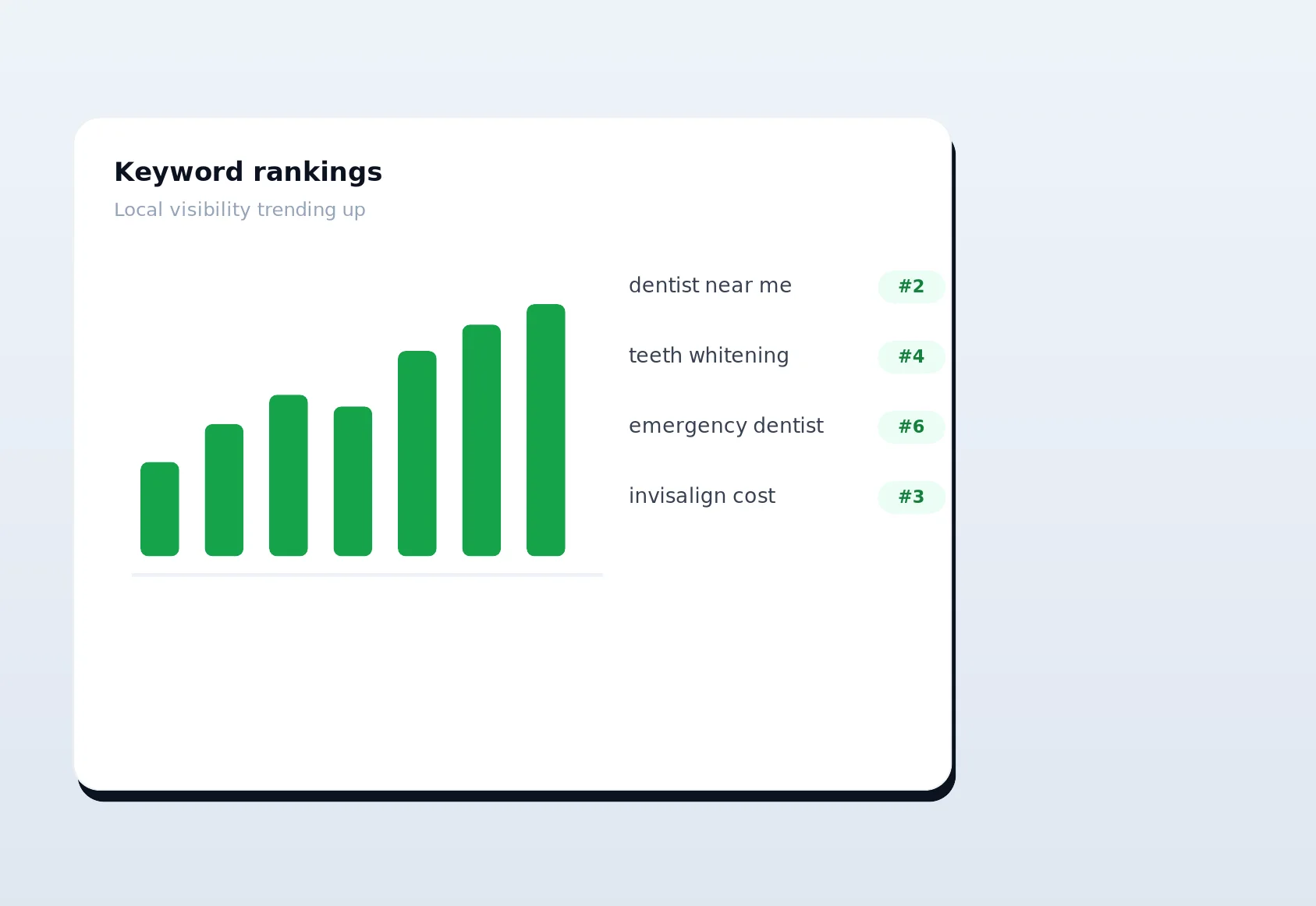
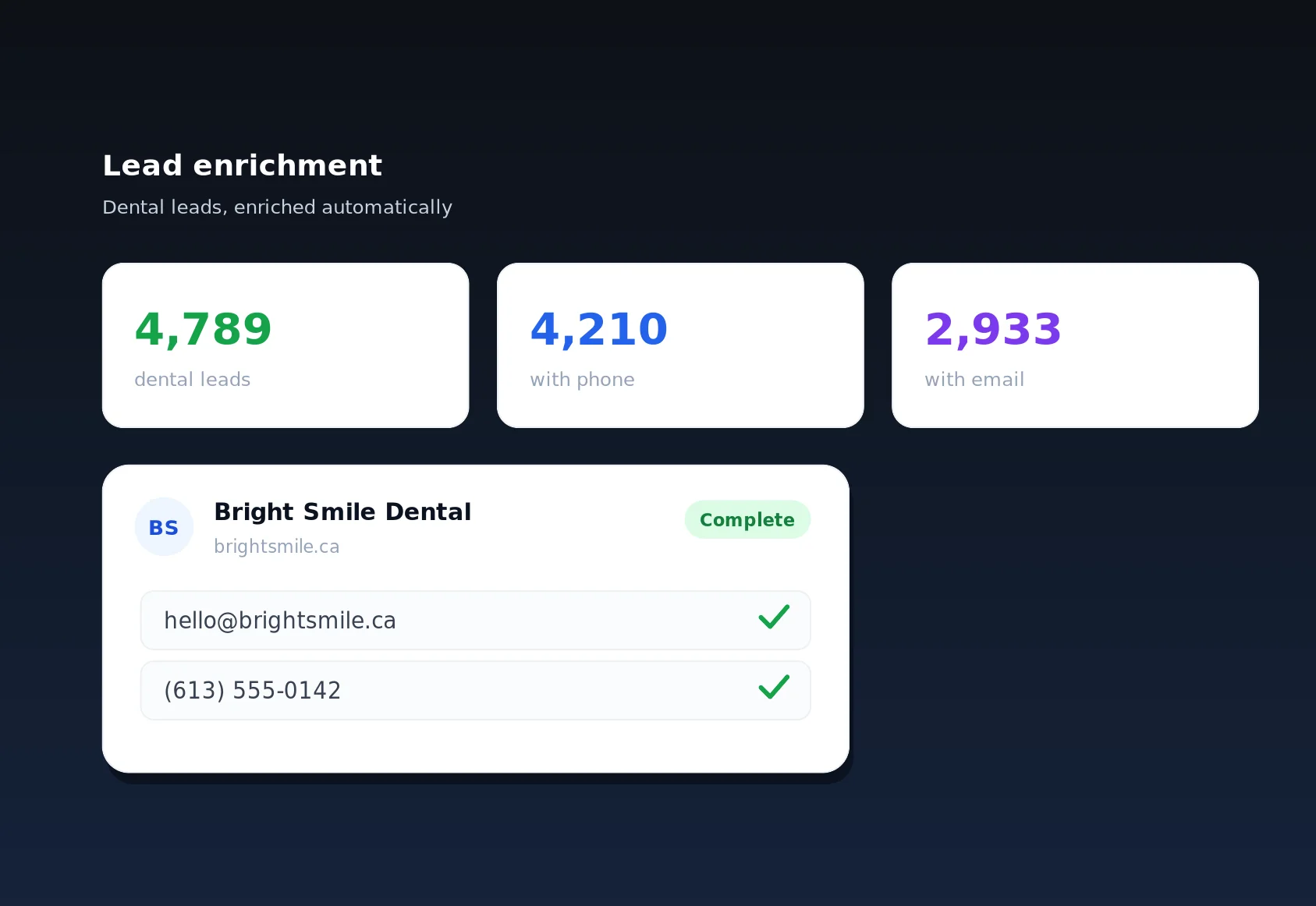
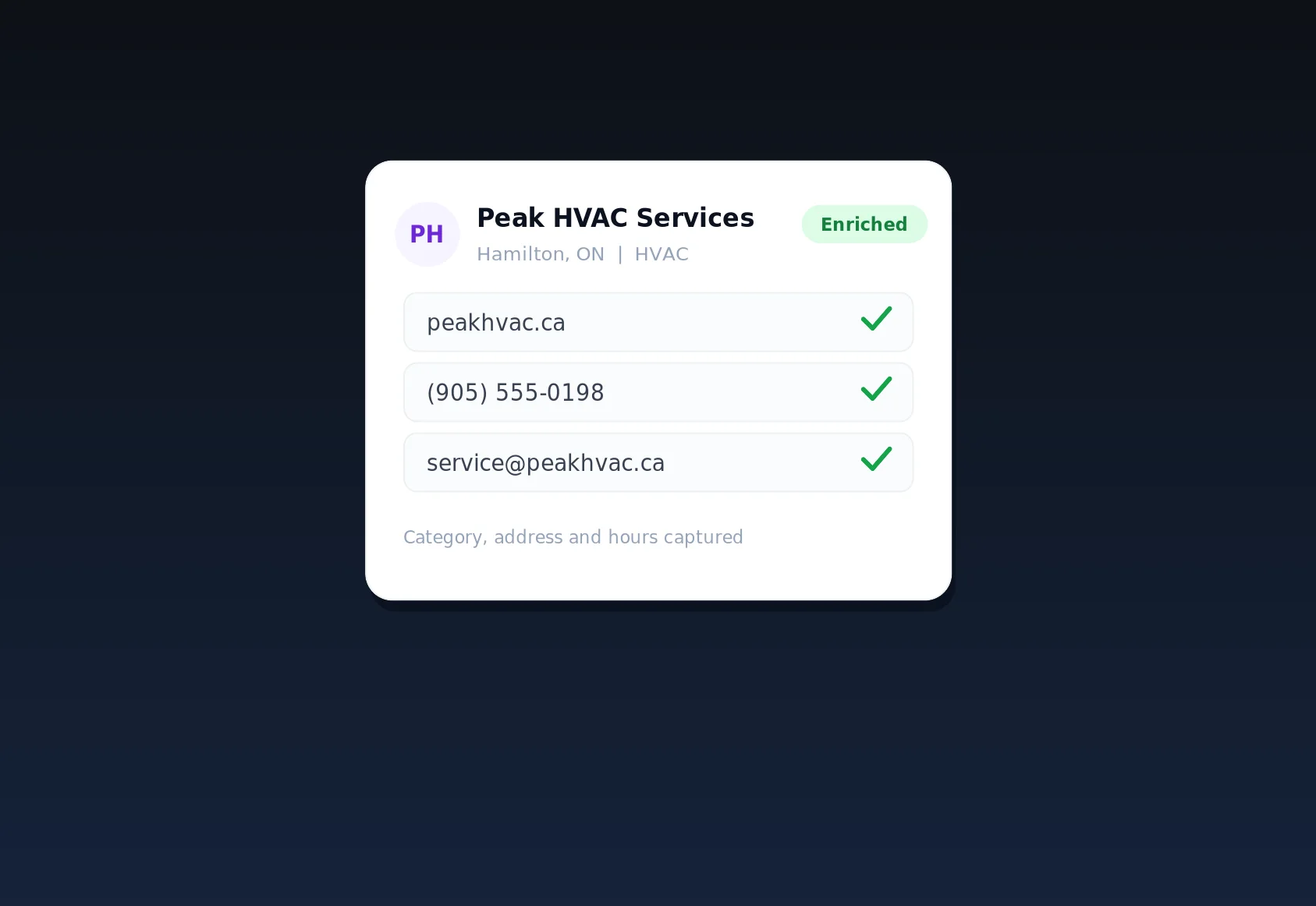
Around that core, the rest of the platform keeps feeding the machine: the deduplicated local business directory and lead scraping surface new prospects, lead enrichment fills in their contact details through rotating anonymous proxies, and rank tracking tells you whether the anchor work is actually moving positions. Optimization becomes a continuous cycle instead of a one-off cleanup.
Start Optimizing Your Anchor Profile Today
You do not need to fear keyword-rich links, and you do not need to babysit a spreadsheet to stay safe. LinkSpear measures your anchor text distribution, scores your over-optimization risk per page, and tells you exactly which anchors to build next — then routes them straight into your link-building queue so your profile trends more natural with every citation. It is anchor text optimization that does the hard math for you and keeps your best pages out of trouble. Spin it up on the 14-day free trial of the Starter plan, point it at your money pages, and see your first anchor audit within minutes — no credit card, no risk, just a clearer path to rankings that hold.