Most local businesses lose rankings not because they lack backlinks, but because their pages say too little and target the wrong intent. AI content optimization software closes that gap by analyzing what already ranks for a query, scoring your page against it, and rewriting weak sections so they match how real buyers search. LinkSpear builds this directly into your local SEO workflow, so the pages you optimize are the same pages you build citations and backlinks for, and the same pages your sales team is driving calls toward.
This page explains exactly what LinkSpear's content optimization does, how the process works step by step, the outcomes you can expect, and where it fits alongside the rest of the platform, from rank tracking to keyword research and automated backlink building.
What AI content optimization actually means
Content optimization is the practice of shaping a page's words, structure, and semantic coverage so search engines can confidently match it to a query, and so human readers act once they land. It is not keyword stuffing, and it is not spinning existing text into a slightly different version of itself. Good AI content optimization software does three things at once: it diagnoses what a page is missing, it explains why, and it produces defensible copy you can publish without embarrassment.
LinkSpear approaches this the way an experienced SEO editor would. It reads the top-ranking results for your target keyword, extracts the topics, questions, and entities they consistently cover, and compares them against your draft. Then it flags gaps, weak headings, missing schema-relevant details, and passages that read as generic filler. The result is a concrete, prioritized worklist rather than a vague score you can't act on.
- Coverage analysis: which subtopics and questions competitors answer that you don't.
- Intent alignment: whether your page matches informational, commercial, or transactional intent for the query.
- Structure review: heading hierarchy, scannability, and internal linking opportunities.
- Local relevance: city, service-area, and category signals that ground the page in a real market.
The distinction matters because the market is flooded with tools that generate text and almost none that improve it against a real target. A page can be grammatically perfect, on-brand, and 1,500 words long, and still rank nowhere because it never answers the questions searchers actually ask. Optimization is the discipline of measuring your page against demonstrable evidence of what works, then closing the distance. LinkSpear treats the top of the search results as the answer key and grades your draft accordingly, which removes the guesswork that makes most content projects feel like gambling.
How AI content optimization for local SEO is different
Generic writing tools optimize for the open web. Local pages have a harder job: they have to rank in a specific city, reflect a specific service, and convince someone with an urgent problem to call now. AI content optimization for local SEO has to weigh geographic modifiers, service-area language, and trust signals that a national blog post never touches.
Because LinkSpear already knows your business category, city, province or state, and service area from your Local Business Directory profile, it optimizes with that context baked in. It won't tell a Denver roofer to write about generic "roofing tips" when the money keyword is "emergency roof repair Denver." It grounds every suggestion in the market you actually serve, so the optimized page reads like it was written by someone who works there.
There is also a subtler difference in what "good" looks like. A national blog wins by being comprehensive and authoritative across a broad topic. A local service page wins by being unmistakably relevant to one place and one job, and by making the next step obvious. Padding a local page with generic industry background often hurts it, because it dilutes the very signals that tell a search engine this page serves this city. LinkSpear's suggestions lean toward specificity: the neighborhoods you cover, the response times you offer, the licensing and insurance that build trust, and the exact services a searcher in your area is trying to buy. That local precision is difficult to fake with a general-purpose writing tool, and it is where most DIY pages quietly fall short.
How it works: from raw page to ranking asset
The workflow is deliberately linear so you always know what to do next. Here is the exact sequence LinkSpear runs when you optimize a page.
Step 1: Pick the target keyword and intent
Start from a keyword you already track, or pull a fresh one from keyword research. LinkSpear classifies the intent behind it, commercial, informational, or transactional, so the optimization goal is unambiguous before a single word changes. Optimizing a "how to unclog a drain" page and a "drain cleaning near me" page are two different jobs, and the tool treats them that way.
Step 2: Analyze the live SERP
The engine reads the current top-ranking pages for that keyword and builds a topic model: the entities, questions, and subheadings that consistently appear. This is what separates real optimization from guesswork. You are measuring your draft against pages that are already winning, not against an arbitrary word count.
Step 3: Score and diagnose your draft
Paste or import your existing page. LinkSpear returns a content score plus a ranked list of specific issues: missing subtopics, thin sections, an H1 that doesn't contain the primary term, no FAQ coverage, weak calls to action, or paragraphs that add no information. Each item explains the why, so you learn as you go.
Step 4: Generate and refine the copy
For each flagged gap, the AI drafts replacement or additional copy in your brand voice and local context. You accept, edit, or reject each suggestion. Nothing publishes automatically. The point is to hand you a strong draft in minutes that you can polish, not to bury your site in machine text you never read.
Step 5: Add structure and schema signals
The tool proposes a clean heading hierarchy, an FAQ block built from real "people also ask" style questions, and the structured-data fields that make you eligible for rich results. This pairs naturally with LinkSpear's schema audits, which verify the markup renders correctly once you publish.
Step 6: Publish, then verify the outcome
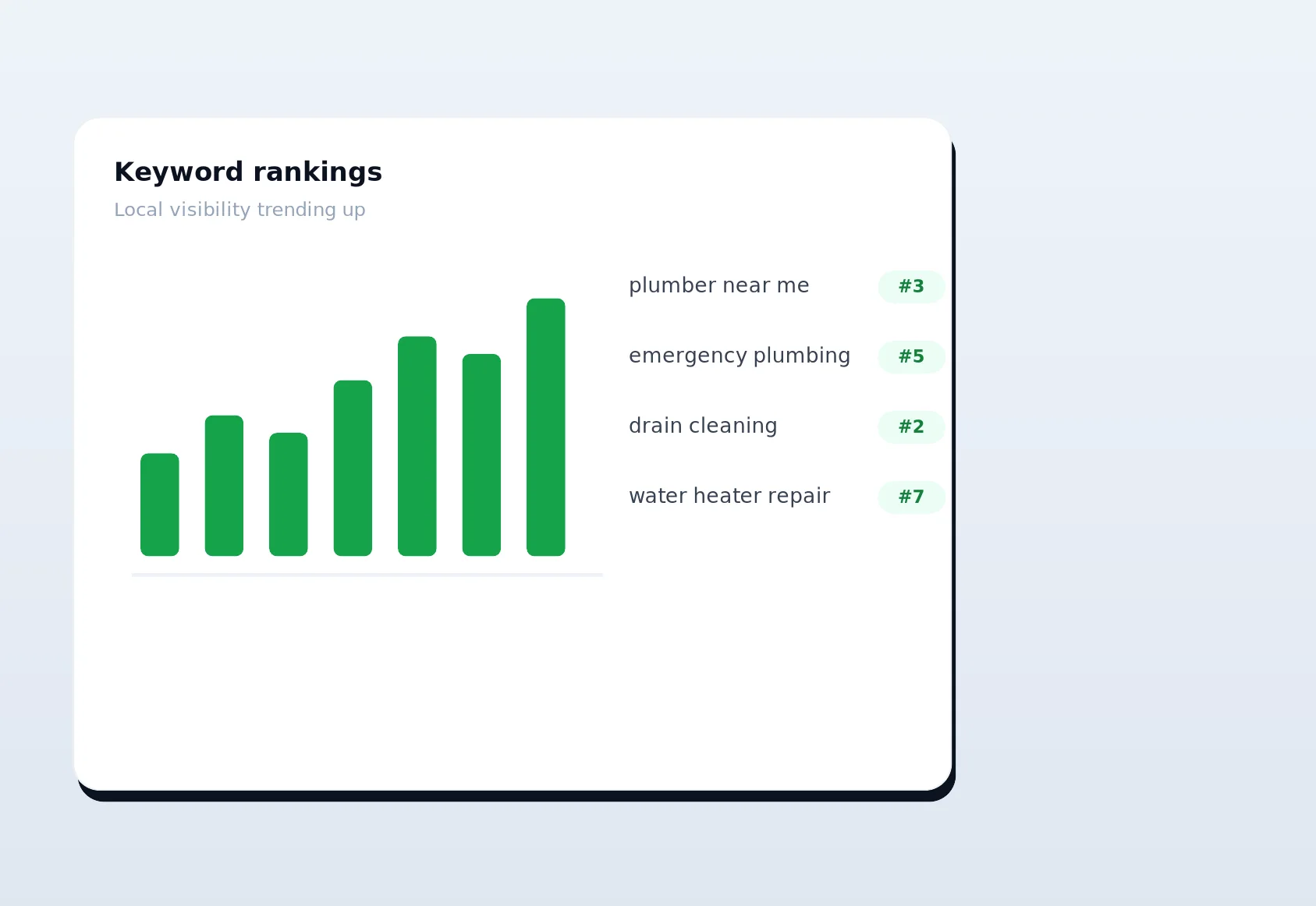
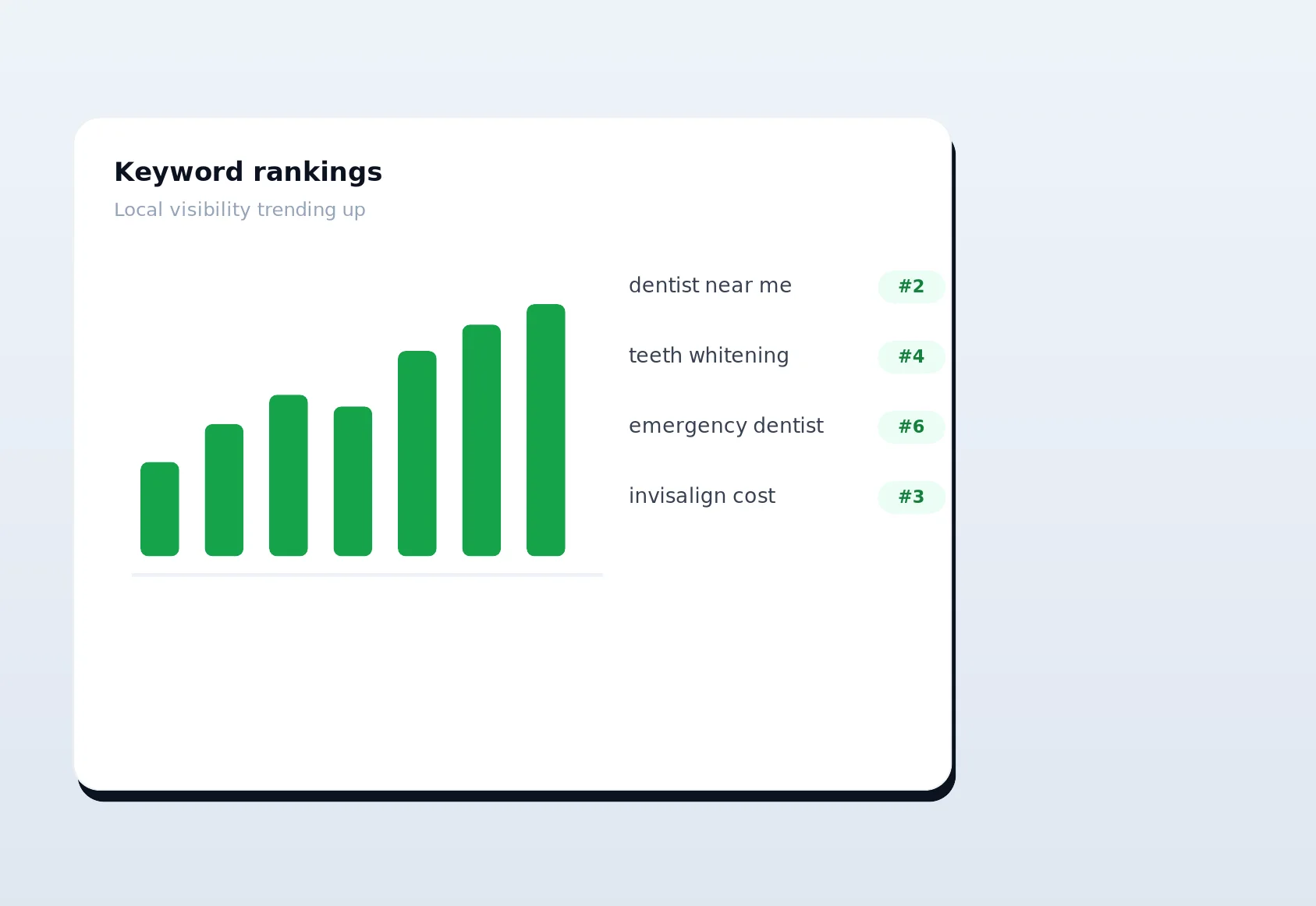
After you ship the page, LinkSpear watches it. Rank tracking shows movement for the target keyword and its variants, instant indexing pushes the updated URL to search engines so changes register faster, and re-scoring lets you confirm the page actually improved rather than assuming it did.
The concrete benefits and outcomes
Optimization only matters if it changes numbers you care about. Here is what teams typically get out of a disciplined content workflow, and why each one happens.
- Faster page production: a service page that used to take a copywriter a day gets to a publishable draft in under an hour, because the research and structure are already done.
- Higher relevance, better rankings: pages that cover the full topic and match intent rank for more long-tail variants, not just the head term.
- More conversions per visit: clearer structure, honest local detail, and strong calls to action turn readers into callers and form-fills.
- Consistency at scale: agencies can hold every client page to the same quality bar without every writer being an SEO expert.
- Fewer thin-content penalties: replacing filler with substantive, unique coverage reduces the risk of pages that never index or rank at all.
These outcomes reinforce each other over time. A page that ranks for more variants attracts more impressions, which surfaces more query data you can feed back into the next round of optimization. A page that converts better justifies the effort of building links to it. And a library of consistently strong pages raises the perceived quality of the whole domain, which tends to lift newer pages faster. Content optimization is not a one-time cleanup; it is a compounding habit, and the teams that treat it that way pull steadily away from competitors who publish once and forget.
Where it fits in the wider LinkSpear workflow
Content optimization is one link in a chain, and its value multiplies when the other links are in place. A perfectly optimized page still needs authority, indexing, and traffic sources pointed at it.
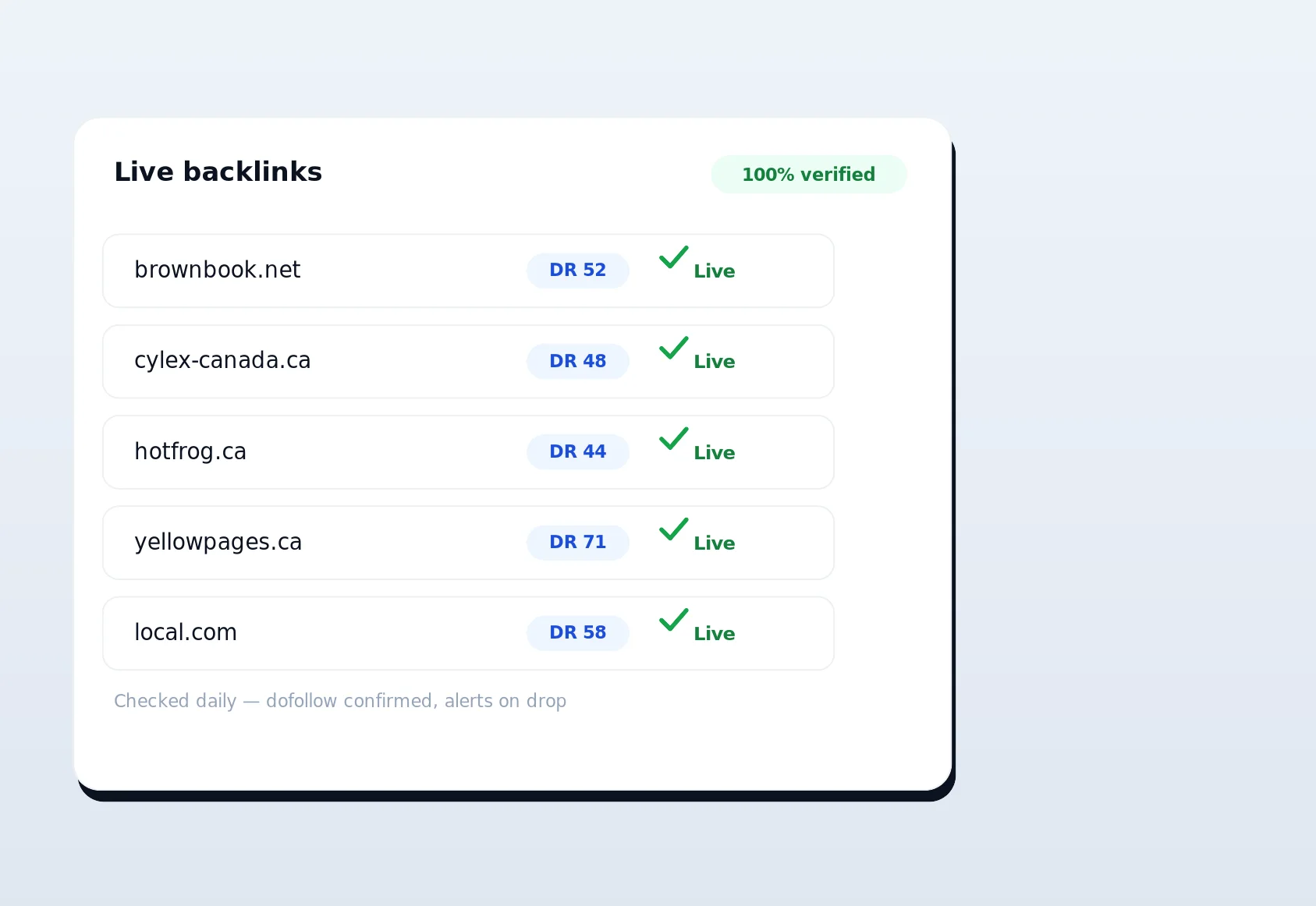
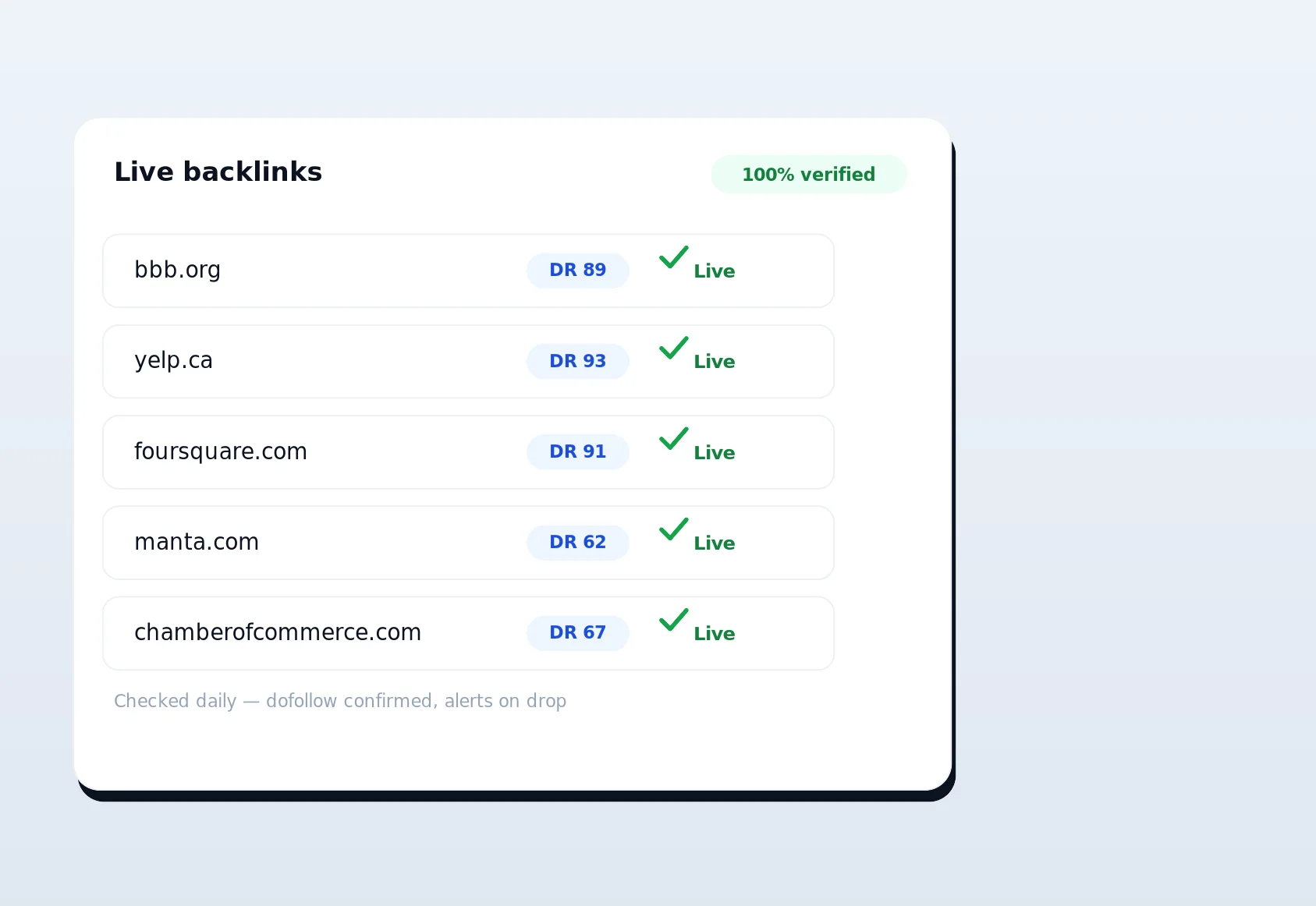
Inside LinkSpear, the flow looks like this: you find target markets and keywords, you build and optimize the page, you earn citations and links to it, and you verify the whole thing keeps working. The automated directory backlink building Chrome extension submits your optimized page to citation and directory sites using your real browser and real IP, so the links look natural. Live-link verification confirms those links stay live, and competitor backlink analysis shows which additional sources are worth chasing.
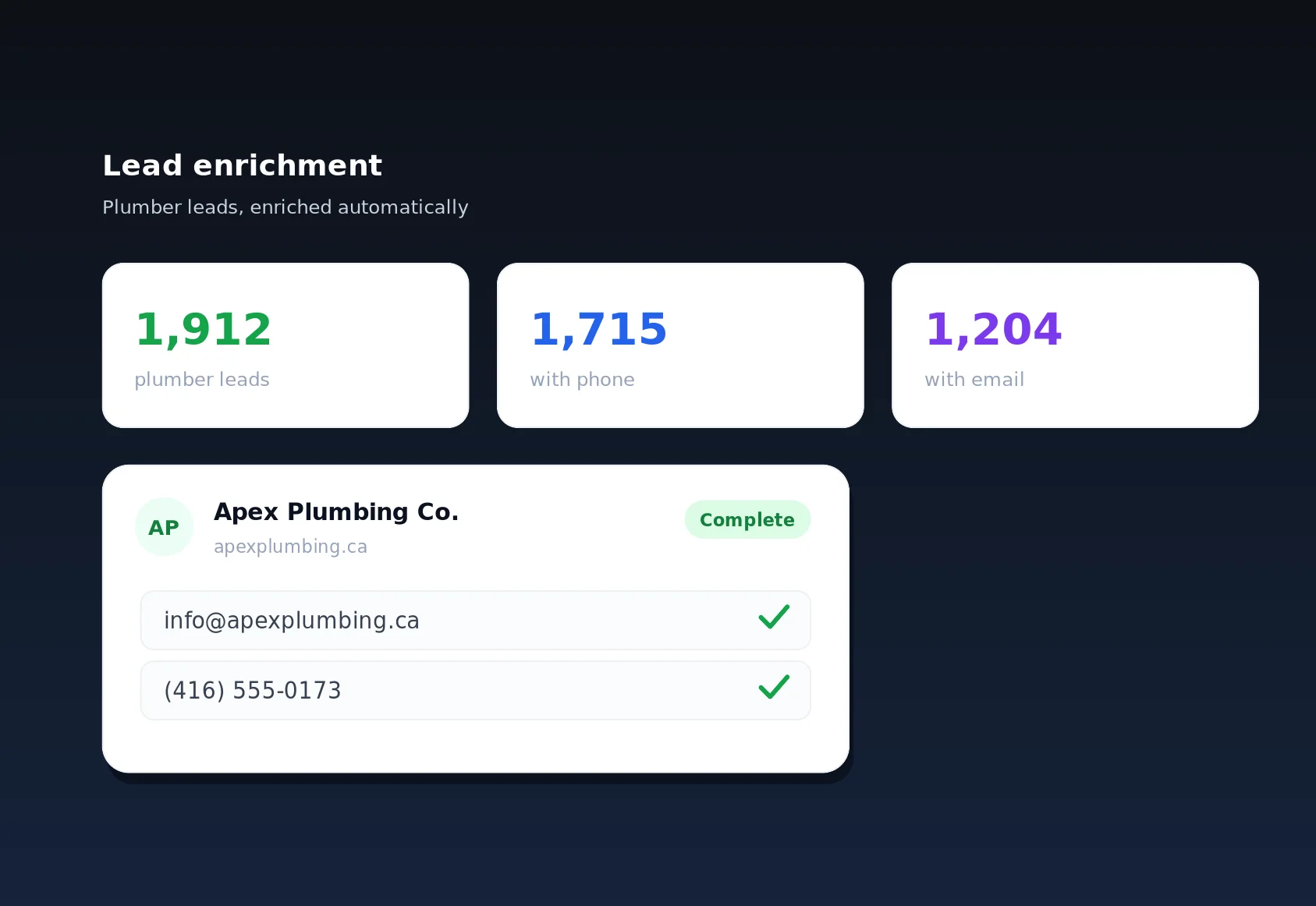
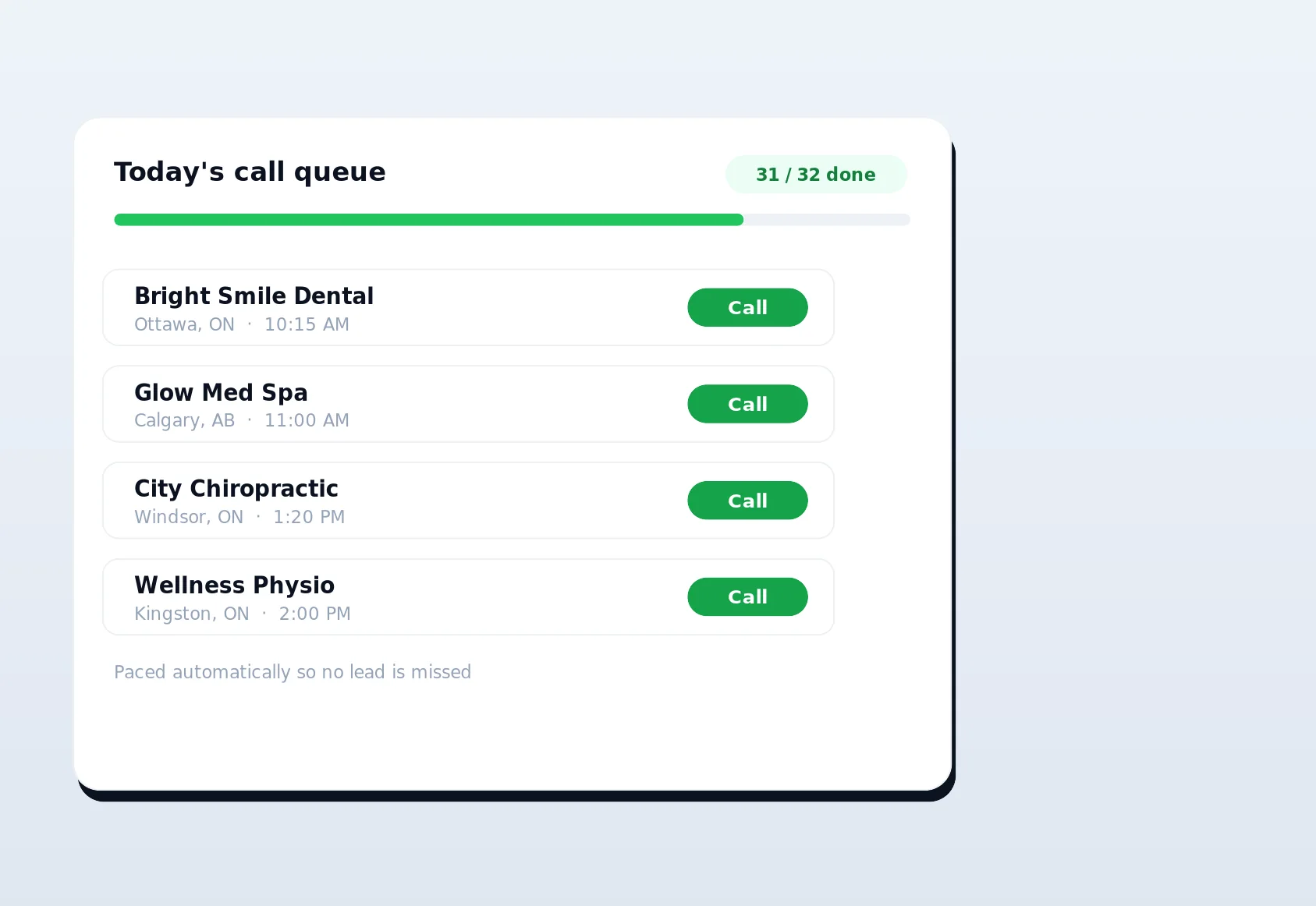
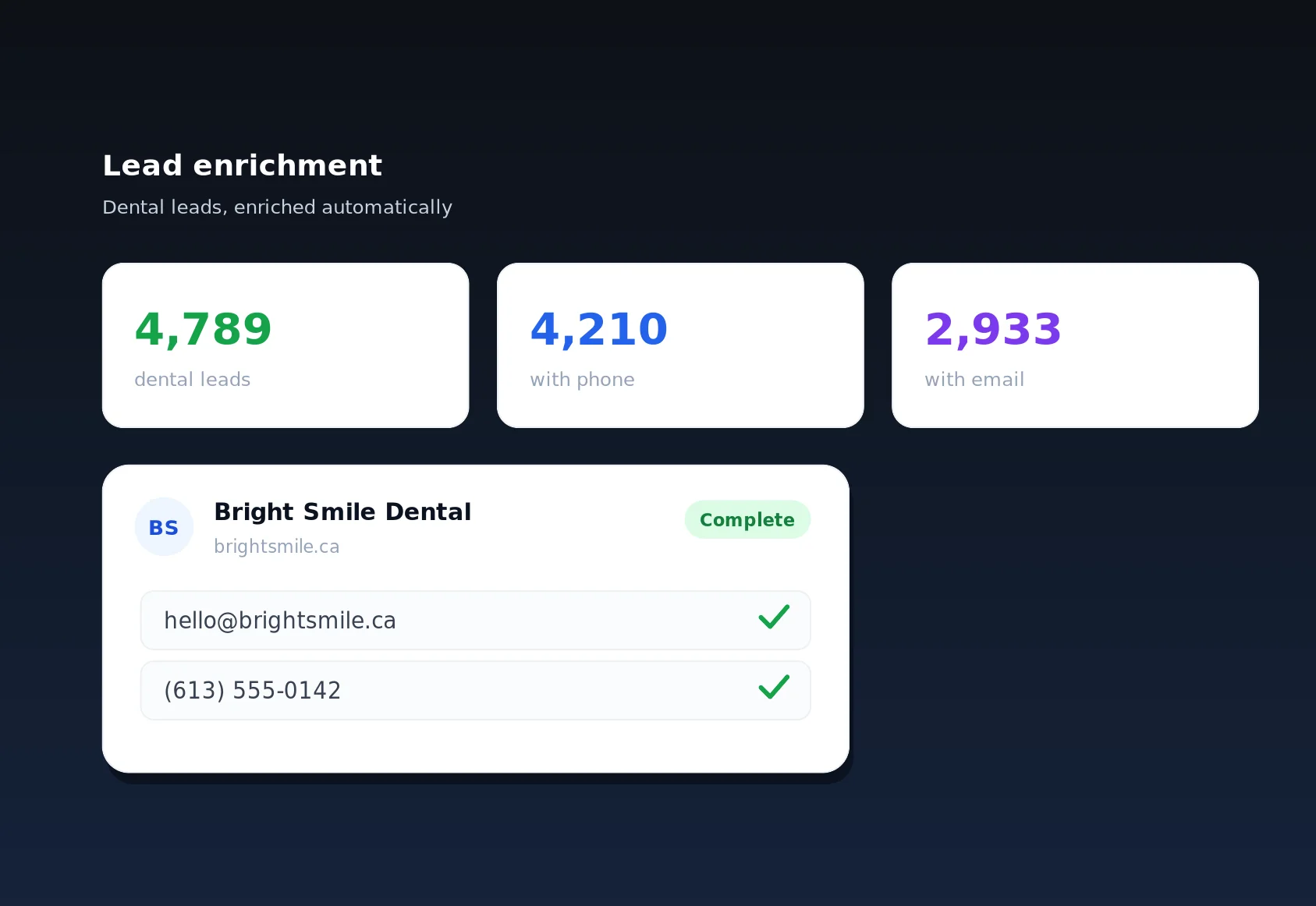
On the demand side, the same pages support your outbound. Businesses pulled into the platform through lead scraping and enriched via lead enrichment, which visits each site through rotating anonymous proxies to fill in missing emails and phone numbers, become prospects your reps work through call queuing. Optimized pages give those reps something credible to point prospects to. Content optimization, in other words, is not a silo. It is the quality layer that makes everything else convert.
Consider a practical sequence. You optimize a service-area page for "water heater replacement" in your city. Instant indexing gets it discovered quickly. The backlink extension submits it to a handful of relevant directories and citation sites, each pointing to that exact URL with natural anchor text. Rank tracking confirms the page climbs from position eleven to position four over a few weeks. Meanwhile, reps calling enriched leads from that same city can send prospects a page that looks credible and answers their questions before the sales conversation even starts. Every module is doing its job, but the optimized page is the hub they all connect to. Skip the content step and you are building links to a page that cannot hold a ranking or close a visitor, which wastes the effort everywhere else.
AI content optimization software vs. the alternatives
It helps to see how an integrated approach compares to the common alternatives most local businesses and agencies default to.
| Approach | Speed | SEO rigor | Local context | Connected to links & ranking |
|---|---|---|---|---|
| Freelance copywriter | Slow (days) | Varies by writer | Only if briefed well | No |
| Generic AI writing tool | Fast | Low, no SERP model | Weak, no market data | No |
| Standalone SEO content scorer | Medium | High | Limited | No |
| LinkSpear AI content optimization | Fast | High, SERP-driven | Strong, uses your directory profile | Yes, end to end |
The pattern is clear. Freelancers bring judgment but are slow and inconsistent. Generic AI tools are fast but produce copy with no SEO backbone and no local awareness. Standalone scorers are rigorous but disconnected from your links, indexing, and pipeline. LinkSpear's advantage is that AI content optimization for local SEO lives in the same system as your directory data, backlink automation, and rank tracking, so a change in one place is visible everywhere.
Who it's for
This capability earns its keep for a few specific groups, though anyone maintaining local pages benefits.
Marketing agencies managing many clients
Agencies live and die on consistency and margin. An AI SEO content tool for agencies lets a small team hold dozens of client sites to the same standard, produce optimized service and service-area pages quickly, and show clients before-and-after content scores alongside ranking gains. With LinkSpear's agency sub-accounts, each client stays cleanly separated while your team works from one dashboard.
Local service businesses doing their own SEO
Owners who write their own pages usually know their trade cold but aren't SEO specialists. The tool acts as an editor that whispers the right structure, questions, and local signals, so a plumber, electrician, or roofer can publish pages that actually compete without learning search theory from scratch.
Multi-location and franchise operators
When you need forty near-identical city pages that are still unique enough to rank, manual writing collapses. A content optimization tool for local businesses can localize the same core service page across every market while keeping each version substantive and distinct, which is exactly what search engines reward and thin-content pages fail at.
How to optimize service page content for search intent
The single most common mistake in local SEO is intent mismatch: writing a helpful blog-style page when the searcher wants to hire someone now. To optimize service page content for search intent, start by naming the intent out loud, then let it drive every structural choice.
- Transactional queries ("AC repair near me") need pricing cues, service-area coverage, trust signals, and an obvious way to call or book above the fold.
- Commercial-investigation queries ("best AC repair company") need comparisons, credentials, reviews, and reasons to choose you.
- Informational queries ("why is my AC blowing warm air") need a genuinely useful answer, then a soft path toward booking.
LinkSpear detects which of these you're targeting and shapes the outline accordingly, so you don't accidentally publish a 2,000-word explainer on a page that should have been a lean, conversion-focused service page. Matching intent is often worth more than any single ranking factor, because it fixes both your rankings and your conversion rate at the same time.
Intent also dictates length, and this is where AI guidance saves you from yourself. There is no universal correct word count. A transactional service page can outrank a longer competitor precisely because it respects the searcher's urgency and gets out of the way. An informational page, by contrast, may need to be thorough to earn the position. LinkSpear recommends a target depth per page based on what is actually ranking for your keyword, so you stop chasing arbitrary word counts and start matching the format the search engine has already rewarded. When you get intent and depth right together, the page tends to earn featured snippets and "people also ask" placements as a bonus, expanding your footprint without any extra pages.
Data safety and editorial control
Nothing about optimization touches your pipeline data or publishes without you. Suggestions are drafts. Scores are advisory. Your directory of businesses, your leads, and your links stay exactly as they are, LinkSpear's platform never deletes or deactivates your catalogued sites as a side effect of content work. You remain the editor. The AI does the heavy research and drafting, you make the final call on every word that ships, which is exactly how a credible content workflow should run.
Get started free
If your local pages are thin, generic, or quietly stuck on page two, content is almost always the fastest lever you can pull, and it compounds with every link and citation you build afterward. LinkSpear's AI content optimization software gives you SERP-grounded analysis, intent-matched copy, local context, and a direct line into rank tracking, indexing, and backlink automation, all in one place. New users get a 14-day free trial on the Starter plan, no long-term commitment, so you can optimize a real page, publish it, and watch it move before you decide. Start your free trial today and turn your best pages into your best salespeople.