If you run a dental office, you already know the hard truth: the best clinical work in town means nothing if patients can't find you on Google. Most dentists don't need more chair time management or another glossy brochure — they need a predictable flow of new patients from their own neighborhood. That's exactly what dental practice marketing software is built to deliver, and it's why more independent dentists and Dental Service Organizations are replacing scattered agencies and one-off tools with LinkSpear. In one platform you get a clean local business directory, automatic contact enrichment, disciplined outreach and hands-free local backlink building — all pointed at a single goal: more booked appointments.
This page walks through the specific marketing problems dental practices face, how LinkSpear's core features map to each one, what realistic results look like, and exactly how to get started on a free trial. No jargon, no vague promises — just the mechanics of how a modern dental office fills its schedule.
Whether you're a solo general dentist, a multi-op cosmetic practice pushing veneers and Invisalign, a pediatric office, or a growing Dental Service Organization with five locations, the challenge is the same: be the obvious first choice in your zip code the moment someone needs care. LinkSpear treats that as a repeatable system rather than a lucky break — and gives you the same infrastructure a well-funded agency would build for you, without the retainer.
Why marketing is uniquely hard for dental practices
Dentistry is a hyper-local, high-trust purchase. A patient with a cracked molar isn't shopping three cities away — they're searching "emergency dentist near me" and clicking one of the first three results in the Map Pack. That means your visibility is decided in a tiny geographic window against a handful of competitors, and the margins between winning and losing that window are brutal.
- You compete on Google Maps, not just Google. The local 3-pack gets the majority of clicks for terms like "dentist near me" or "pediatric dentist [city]." If your citations are inconsistent, you're invisible where it matters most.
- Your NAP is a mess. Most practices have moved offices, changed phone systems, added an associate, or rebranded — and their Name, Address and Phone are now wrong across dozens of directories. Google reads that inconsistency as untrustworthiness.
- High patient value, high acquisition cost. A single implant, Invisalign case or crown-and-bridge patient can be worth thousands over their lifetime, so paid ads get expensive fast and every wasted lead stings.
- You're a clinician, not a marketer. Between hygiene checks, root canals and insurance paperwork, nobody at the practice has time to manually build listings or chase leads.
- Reviews and referrals plateau. Word of mouth is great until it flatlines, and it never reaches the new movers, new parents and new employers relocating into your area every month.
The practices that win aren't necessarily the best dentists — they're the ones who show up first, look consistent everywhere, and follow up fast. Software fixes all three.
A local business directory built for how patients actually search
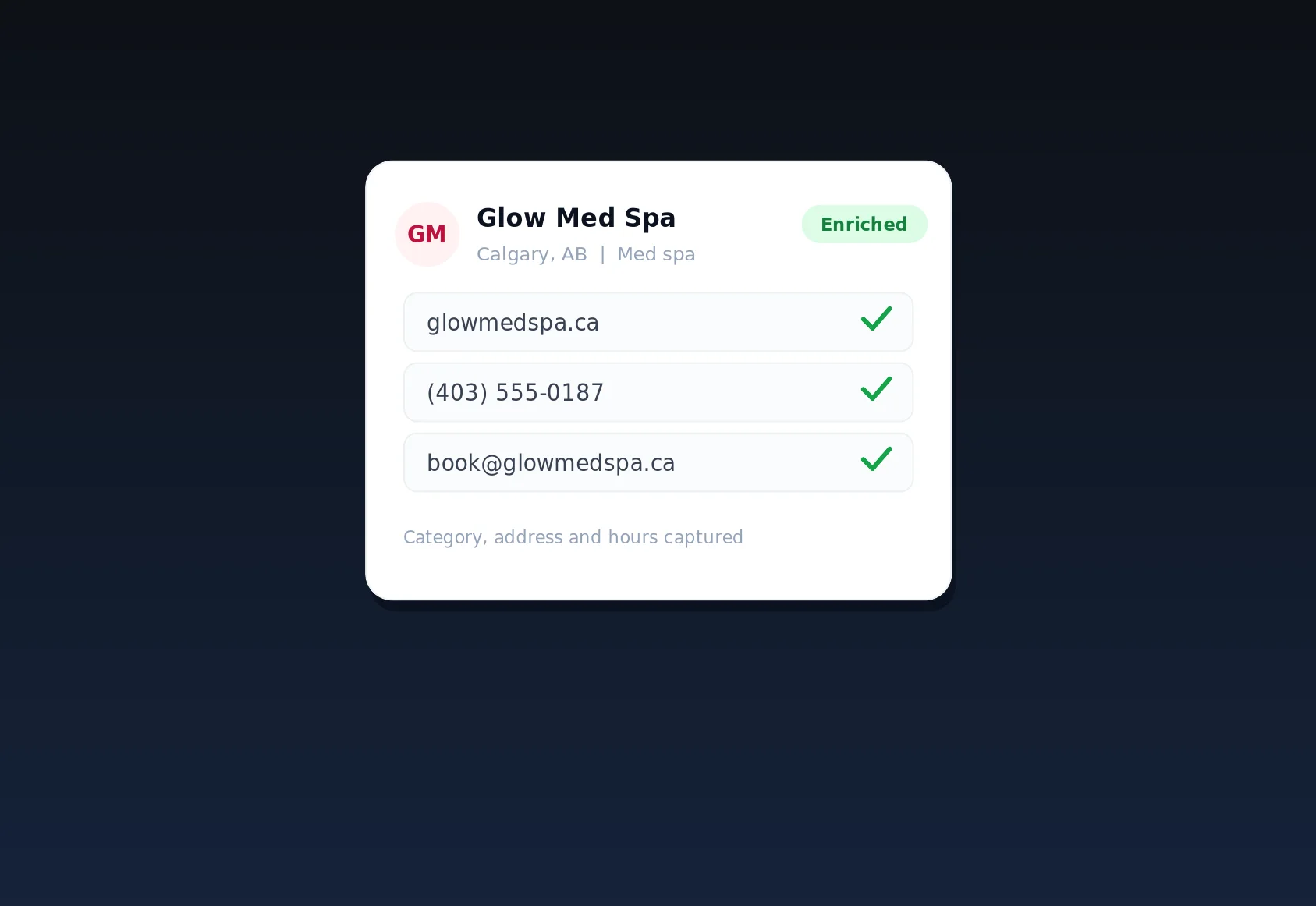
The foundation of LinkSpear's local business directory is a deduplicated master catalogue of local businesses with full contact cards — business name, phone, email, website, street address, city, province or state, country and category. For a dental practice, this is powerful in two directions.
Finding referral partners and B2B patients
Great dental marketing isn't only consumer search. The directory lets you pull every orthodontist, oral surgeon, pediatrician, physiotherapist and general medical clinic in your service radius so you can build a referral network. It also surfaces local employers — accounting firms, dealerships, gyms — that might want a corporate dental benefit or a lunch-and-learn. Instead of guessing, you get a clean, deduplicated list with real phone numbers and emails.
Auditing your own footprint
Because every business is deduplicated into a single master record, you can instantly see how your own practice appears — and spot the duplicate, outdated or conflicting entries dragging down your local SEO for dentists. From there, the platform's citation tools push a single, correct contact card everywhere.
This is the step most practices skip, and it's the one that quietly costs them the most rankings. When Google finds your old suite number on one directory, a disconnected fax line on another, and a since-retired associate's name on a third, it hedges — and hedging means it ranks the competitor whose data is airtight. The directory turns that guesswork into a checklist: one canonical record, verified, then propagated. For DSOs, it means every location gets its own clean card without the cross-contamination that happens when listings share a phone tree or a head-office address.
Lead enrichment: turn a business name into a booked consult
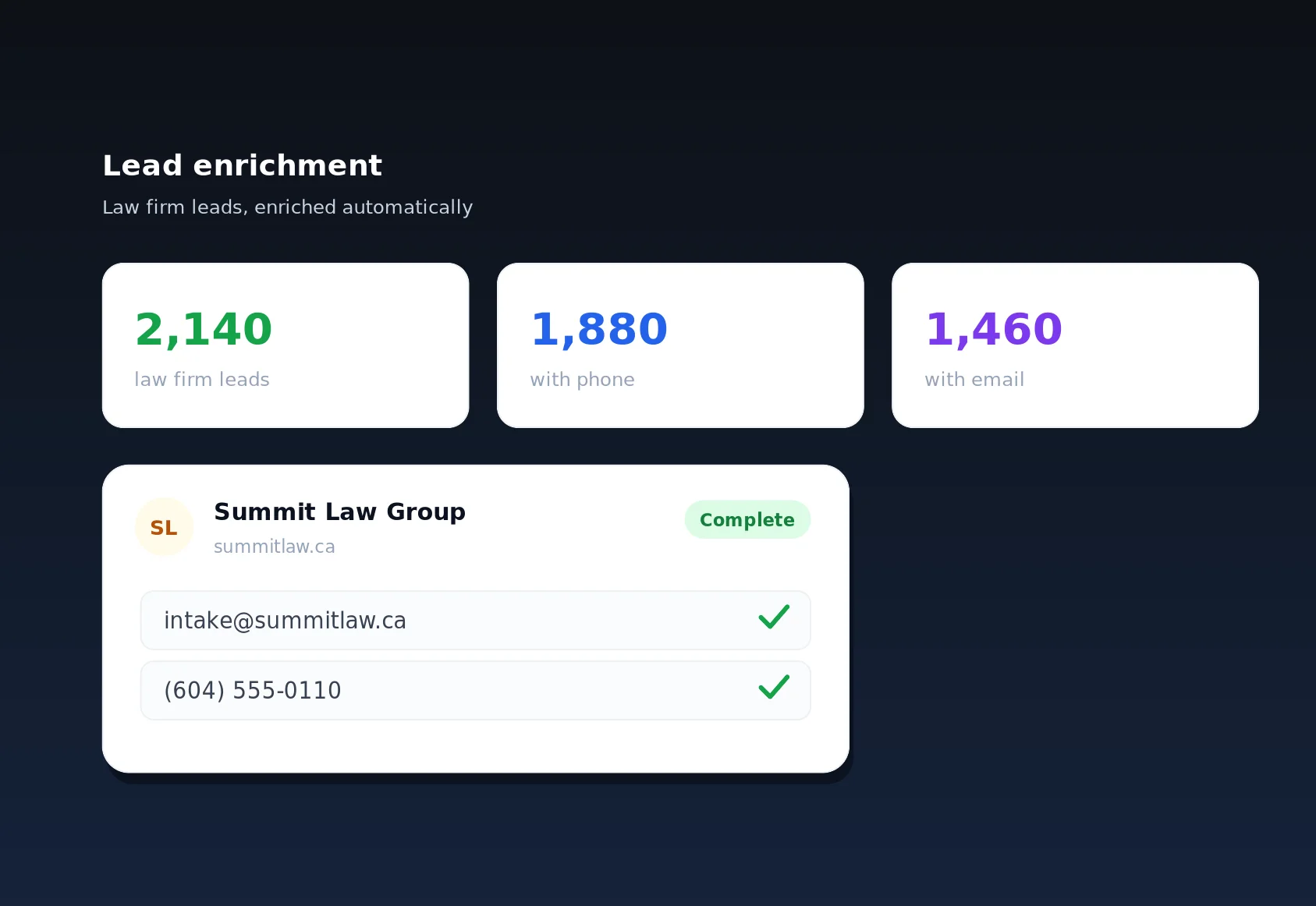
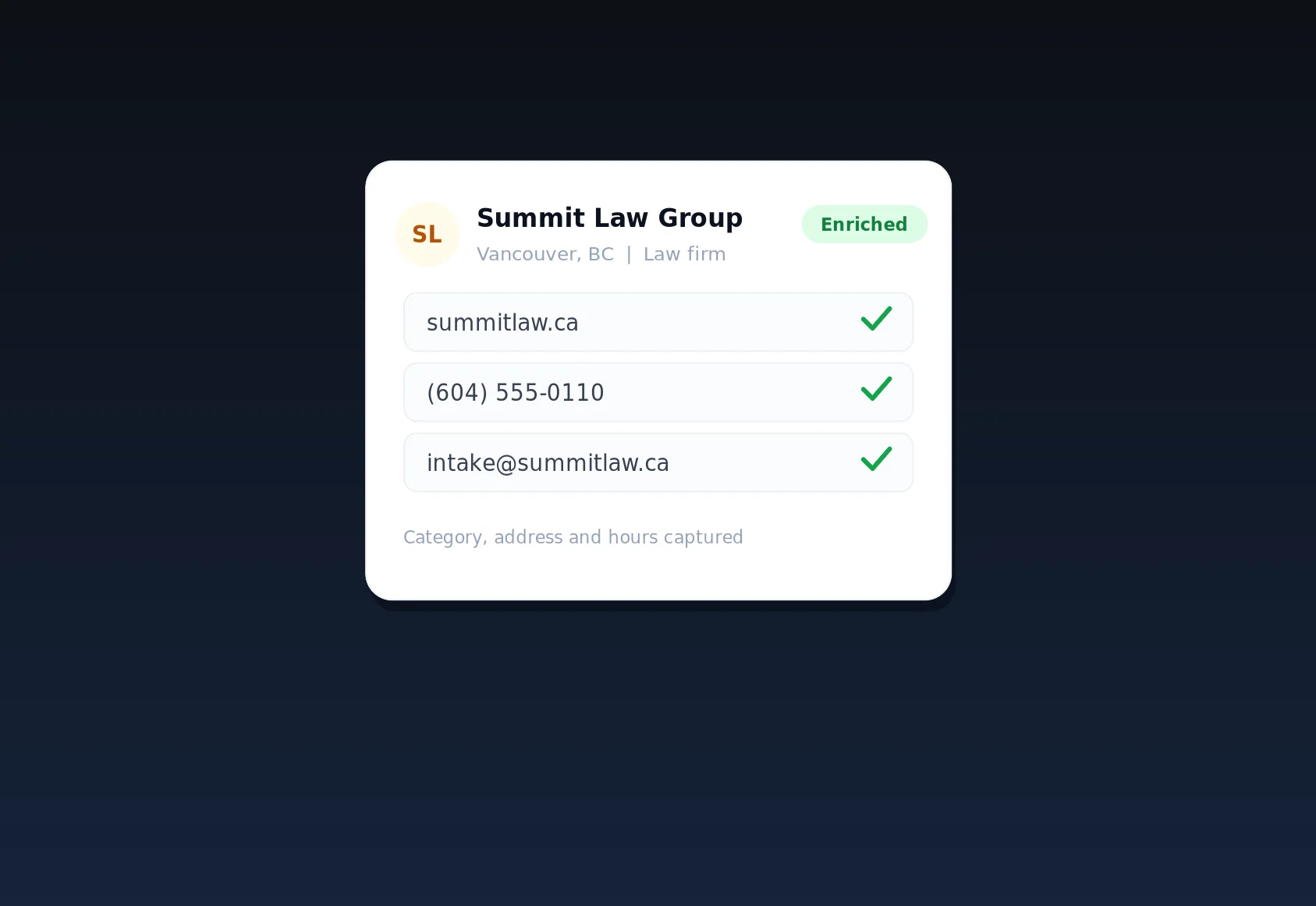
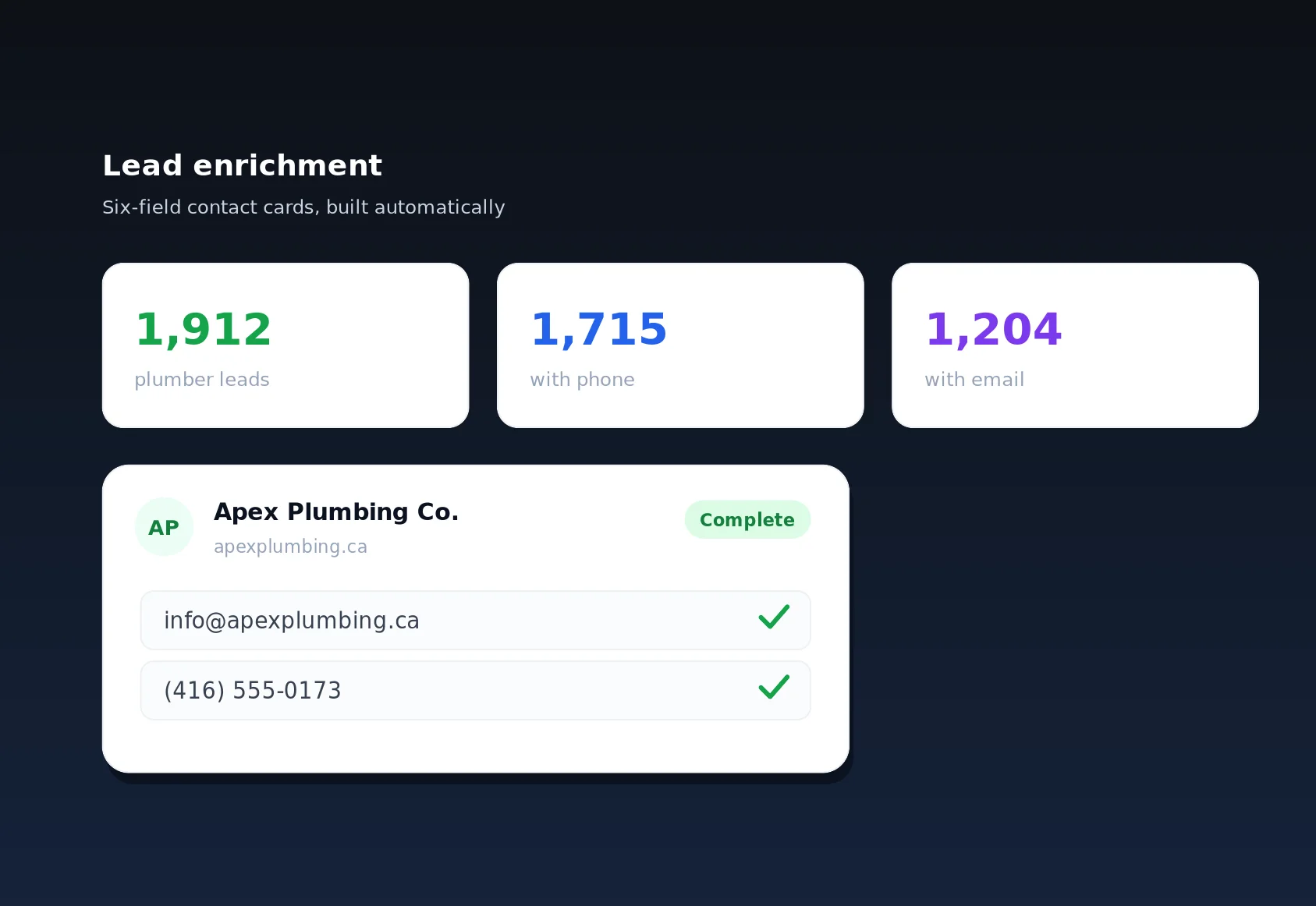
A list of names is worthless if you can't reach anyone. LinkSpear's lead enrichment visits each business's own website through rotating anonymous proxies and automatically fills in the missing email and phone number — so your IP never leaks and your outreach never gets your domain flagged.
For a dental practice, enrichment does the tedious work you'd otherwise pay a virtual assistant to do:
- Referral outreach at scale. Pull 40 nearby medical clinics, enrich their real contact details, and reach the office manager who actually books referrals — not a generic info@ inbox.
- Corporate and community programs. Enrich local HR contacts for group dental plans, school offices for kids' dental days, or gyms for cross-promotions.
- Clean data, fewer bounces. Because details are pulled live from each site, your lists stay fresh and your emails land instead of bouncing.
The rotating anonymous proxy layer matters more than it sounds: it means you can enrich hundreds of local contacts without your practice's IP or domain reputation ever being exposed. That's the difference between a sustainable outreach engine and a domain that ends up in spam folders.
Call queuing: turn your front desk into a booking machine
Enriched leads still need a human touch — and in dentistry, a warm phone call converts far better than another email. LinkSpear's call queuing hands businesses to your team one at a time, with cooldowns, daily call caps and cross-tenant fairness built in.
Here's how a practice puts it to work:
- Reactivation campaigns. Feed your lapsed-patient list into the queue so a coordinator calls one former patient at a time — "we noticed it's been over a year since your cleaning" — without double-calling or overwhelming staff.
- New-mover and new-employer outreach. Work through freshly enriched local leads at a steady, compliant pace with automatic cooldowns so nobody gets called twice in a week.
- Multi-location fairness. If you run several offices or a DSO, cross-tenant fairness makes sure every location's leads get worked evenly instead of one office hoarding the list.
The daily call caps also keep your team sane and your outreach within reasonable, professional limits — no burning out a front-desk coordinator with an endless, chaotic call sheet. Because the queue hands out one contact at a time with a cooldown, your coordinator can give each call the attention it deserves, log the outcome, and move on — instead of staring at a 300-row spreadsheet and wondering who's already been called. That structure is what turns sporadic business lead scraping and enrichment into a genuine dental office lead generation engine rather than a pile of unused contacts.
It also makes delegation safe. You can hand the queue to a part-time team member or a treatment coordinator on a slow afternoon, confident that the pacing, cooldowns and caps enforce good habits automatically. Every call that books a hygiene recall or a consult is revenue that would otherwise have leaked away, and the queue makes that follow-up a daily routine instead of a someday intention.
Automated directory backlinks: the engine behind ranking higher
This is where LinkSpear separates a practice that ranks from one that hides on page two. Google's local algorithm leans heavily on consistent citations — mentions of your NAP across directories, health portals and local listing sites. Building these by hand is soul-crushing, and outsourcing them to cheap link farms gets you penalized.
LinkSpear's automated directory backlink builder uses a Chrome extension that auto-fills directory and citation submissions using your real browser and your real IP. There's no bot footprint, no spun spam — just clean, consistent citations submitted the way a human would, only faster.
- Consistent NAP everywhere. Push one correct contact card to general directories, healthcare-specific listings and local business portals so Google sees a trustworthy, uniform practice.
- No footprints, no penalties. Because submissions come from your real browser and IP, they look organic — critical for a regulated, trust-sensitive field like dentistry.
- Ongoing citation hygiene. Pair it with live-link verification to confirm your citations stay live and correct, and get alerted when one breaks.
The result is the citation consistency and volume that pushes a dental office into the local 3-pack for its money terms — the same playbook that works in adjacent trades like plumbers and HVAC, tuned for how patients search for care.
There's a compounding effect worth understanding. Each accurate citation is a small vote of confidence; a few dozen of them, all agreeing on your exact name, address and phone, add up to a footprint Google can trust enough to rank in the coveted top three. This is precisely the kind of dental directory citation building that agencies charge hundreds a month to do by hand — often inconsistently. LinkSpear does it faster, keeps a verifiable record of every submission, and never risks your reputation on grey-hat shortcuts. For a field where a single toxic link or a mismatched address can undercut months of clinical goodwill, that discipline isn't optional; it's the whole point.
The complete dentist marketing stack
Beyond the four core pillars, LinkSpear rolls up the tools a growing practice would otherwise buy separately. Here's how each maps to a real dental marketing job:
| LinkSpear capability | What it does for a dental practice |
|---|---|
| Rank tracking | Monitor "dentist near me," "Invisalign [city]," and "emergency dentist" positions weekly so you know what's working. |
| Keyword research | Find the exact treatment and location terms local patients search — implants, veneers, pediatric, sedation. |
| Competitor backlink analysis | See which directories and links the top-ranking practice across town has, then match or beat them. |
| Schema audits | Ensure your Dentist and LocalBusiness schema is valid so Google shows your hours, reviews and services richly. |
| Instant indexing | Get new service pages (e.g., a fresh "teeth whitening" page) crawled and ranked faster. |
| Anchor-text optimization | Keep your inbound link profile natural and safe — vital for a high-trust medical vertical. |
| Disavow tool | Clean up toxic or spammy links a previous agency may have pointed at your domain. |
| Business lead scraping | Pull local businesses from OpenStreetMap and YellowPages to expand your referral and corporate lists. |
| Agency sub-accounts | If you're a marketing agency serving dentists, manage every client practice under one roof. |
You don't have to use all of it on day one. Most practices start with the directory, enrichment and backlink builder, then layer on rank tracking and keyword research once the leads start flowing.
Realistic results: what a dental practice can actually expect
Honesty matters more than hype, especially in a field where trust is everything. Local SEO is compounding, not instant — but the trajectory is predictable when the fundamentals are done right.
- Weeks 1-4: Citation cleanup and new directory submissions go live. Your NAP becomes consistent, duplicate listings get flagged, and your first referral and reactivation calls go out through the queue. Early wins usually come from the phone, not the rankings.
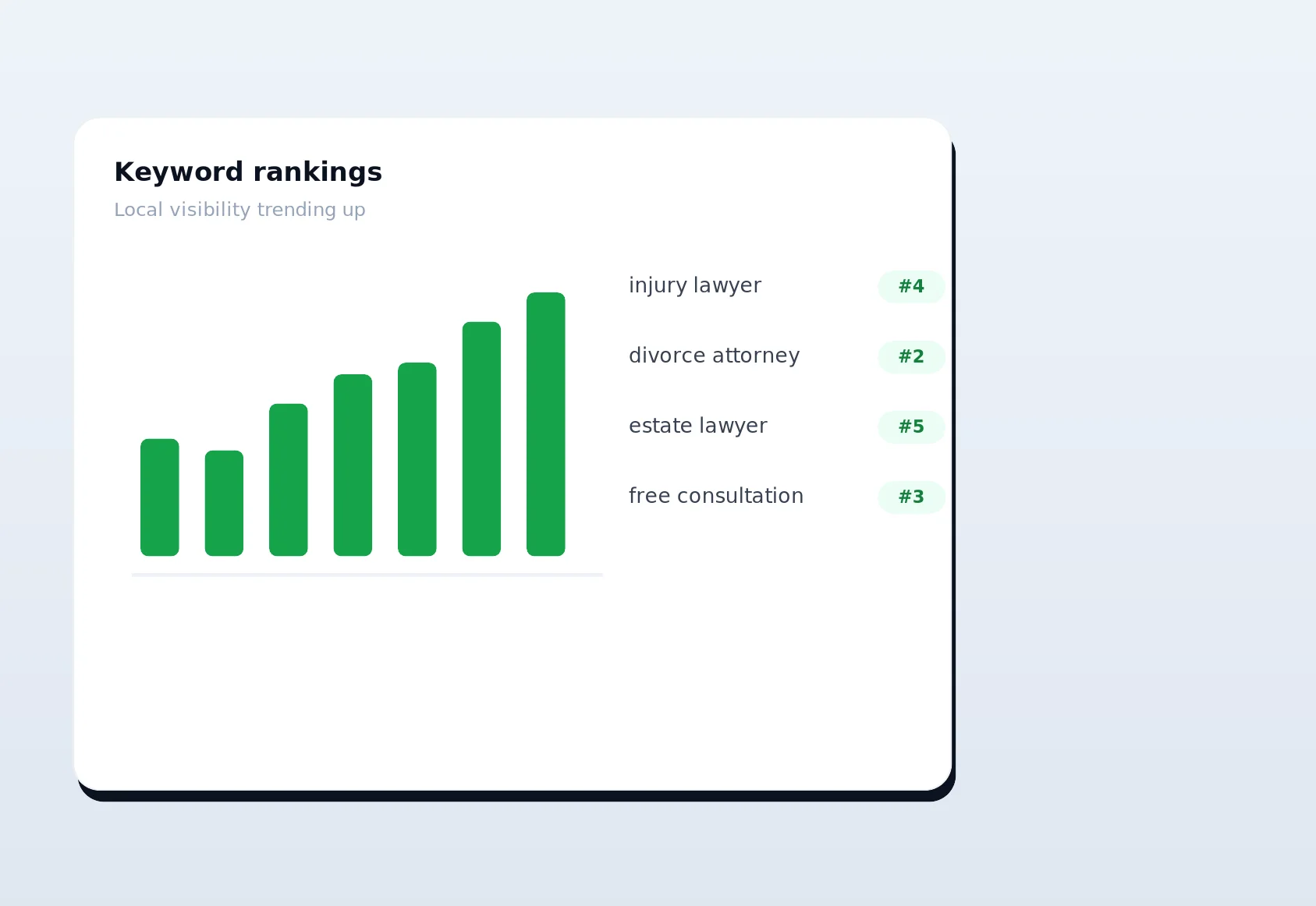
- Months 2-3: Google begins trusting your now-consistent footprint. Map Pack impressions and "near me" visibility climb, and enriched outreach starts producing booked consults from referral partners and lapsed patients.
- Months 4-6: Citation volume and consistency mature. Practices commonly see movement into the local 3-pack for mid-competition terms, a measurable lift in "call" and "directions" actions on their listing, and a steadier new-patient flow that no longer depends on paid ads alone.
Think in terms of a full recall cycle. A dental practice that consistently works enriched leads through call queuing while its citations mature typically sees the sharpest gains around the 90-to-180-day mark — right when compounding local signals and disciplined outreach start reinforcing each other.
A day-in-the-life example
Picture a two-dentist general practice in a mid-sized suburb. Before LinkSpear, they ranked seventh for "dentist near me," had three conflicting address listings from an old office, and their front desk only ever called patients who called first.
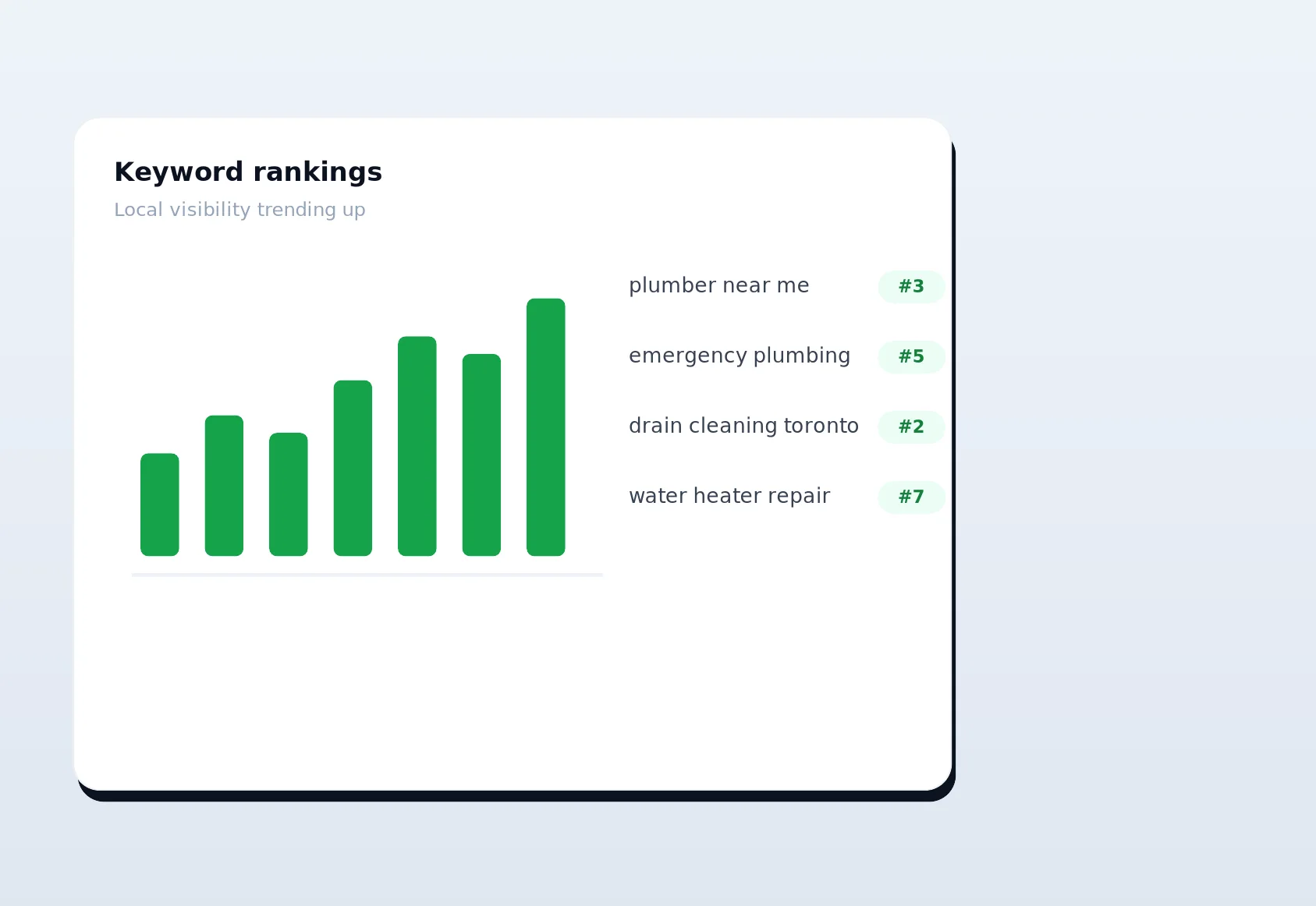
After a few weeks on LinkSpear: their contact card is corrected and pushed across dozens of directories via the Chrome extension; lead enrichment has built a list of 60 nearby pediatricians and family clinics with real office-manager emails; and a part-time coordinator works ten reactivation and referral calls a day through call queuing with built-in cooldowns. Rank tracking shows them climbing for "emergency dentist" and "kids dentist" while the schedule fills from both fresh search traffic and warm outreach. Same clinical team, dramatically more booked chairs.
By month three, the picture sharpens. Their rank tracking dashboard shows a jump from position seven to the local 3-pack for two of their three priority terms. The referral outreach has landed a standing arrangement with a nearby pediatric clinic that now sends kids needing a first dental visit. And the reactivation calls have quietly refilled dozens of overdue hygiene slots — the least glamorous but most profitable chairs to fill, because those patients were already in the system. None of it required a bigger ad budget; it required showing up consistently and following up relentlessly, which is exactly what the software automates. The practice didn't out-market its competitors with a clever campaign — it simply out-executed them, day after day, on the fundamentals.
Getting started in a single afternoon
You can have the core of your dental practice marketing software running before your next lunch break:
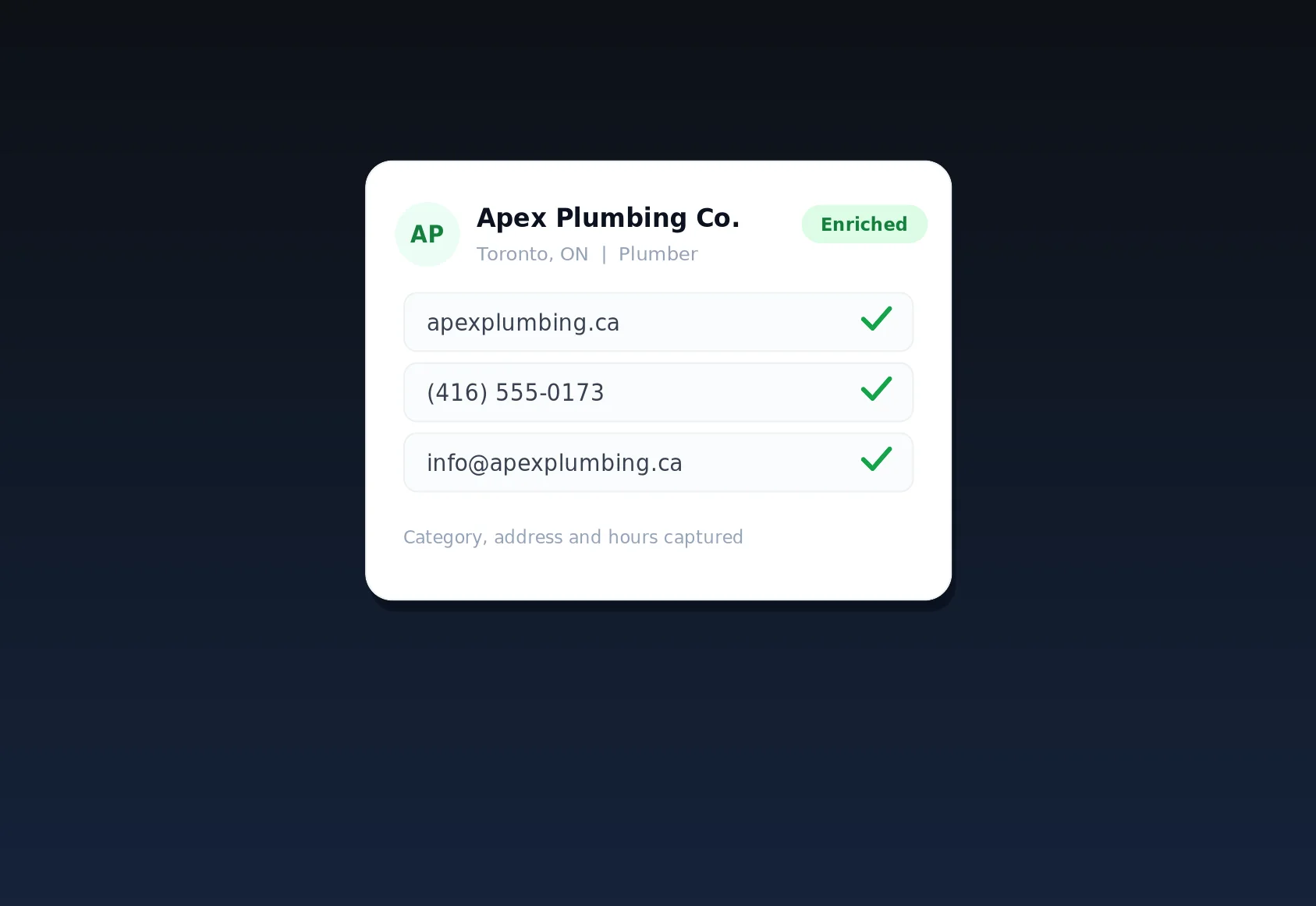
- Step 1 — Claim your listing. Search the local business directory for your practice, merge any duplicates, and confirm one correct contact card.
- Step 2 — Build your referral list. Pull nearby clinics, specialists and employers, then run lead enrichment to fill in emails and phones.
- Step 3 — Install the extension. Add the Chrome auto-fill extension and let the directory backlink builder start submitting consistent citations from your real browser.
- Step 4 — Load your call queue. Drop in your lapsed-patient and referral lists, set daily caps, and let call queuing feed your team one contact at a time.
- Step 5 — Track and refine. Turn on rank tracking and keyword research to watch your "near me" terms climb and double down on what works.
Every new practice starts on a 14-day free trial of the Starter plan — no long-term contract, no agency retainer, just the tools working for your office from day one. If you're a dentist who's tired of paying for ads that stop the moment you stop spending, or an agency that wants a single platform to run local SEO for every dental client, LinkSpear is built for exactly this. Fix your listings, fill your pipeline, and rank where your patients are already searching. Start your free 14-day Starter trial today and watch your schedule fill from your own neighborhood.