Every serious directory and citation campaign eventually collides with the same obstacle: the CAPTCHA. Just as your submission is filled out and ready to go, the directory throws up a checkbox, an image grid, or a distorted string of characters and asks you to prove you are human. For most automated tools this is a wall they cannot climb cleanly - they either fail silently or route the challenge to a shady solving farm that leaves footprints all over your listing. LinkSpear takes a different, more honest approach. Our CAPTCHA handling is built on a human-in-the-loop model: the platform does all the tedious work of recognising and filling every field, then pauses at the exact moment a directory needs a real person, hands the challenge to you, and continues once you have solved it. The result is submissions that look genuinely human because, at the one step that matters, they are.
This page explains what LinkSpear's CAPTCHA handling actually is, how it works step by step, the concrete outcomes it produces, who benefits most, and how it fits into the wider LinkSpear workflow alongside the directory backlink builder, lead enrichment and live-link verification. If you have ever watched an automated submission tool quietly fail on half your target directories and never tell you why, this is the page for you.
What CAPTCHA handling means inside LinkSpear
In LinkSpear, CAPTCHA handling is not a promise to magically defeat every anti-bot challenge on the internet. It is a workflow: the platform recognises when a directory has presented a CAPTCHA, presents that challenge to you clearly inside the same browser session where your submission is already prepared, and resumes the auto-fill the instant you have passed it. Because the entire submission runs inside your own real Chrome browser on your own real IP address - never a headless server or a shared proxy - the CAPTCHA you solve is the CAPTCHA the directory intended a human to solve. There is no mismatch between the network that requested the page and the person answering the challenge, which is exactly why the challenge passes.
That distinction is the whole game. Server-based citation tools request the directory's form from a datacenter IP, get served a hard CAPTCHA precisely because they look like bots, then farm the answer out to a third party. The directory sees a solve arriving from an unrelated network moments after a suspicious datacenter request - a pattern its filters are trained to catch. LinkSpear never creates that mismatch. The page load, the auto-fill, the CAPTCHA, and the solve all originate from one genuine browser fingerprint and IP, so nothing looks stitched together after the fact.
Why CAPTCHAs exist and why fighting them is the wrong instinct
CAPTCHAs are the directory operator's front line against spam. When a citation source deploys reCAPTCHA, hCaptcha, or a custom image challenge, it is explicitly asking: is a real person behind this submission, or a bot spraying links? The tools that try hardest to defeat that question are, by definition, answering it wrong - they are the bots the CAPTCHA was built to stop. LinkSpear inverts the strategy. Instead of trying to bypass the human check, it makes passing the human check trivial by keeping an actual human one click away at all times. You never spend more than a few seconds on any single challenge, and every challenge you clear is a genuine signal of legitimacy that helps your listing survive moderation.
The field-level intelligence around the human step
The point of good CAPTCHA handling is that the human only does the human part. LinkSpear's auto-fill maps and populates every other field on the form - business name, full street address, city, province or state, country, phone, email, website, categories, description, opening hours, logo and social links - drawn from one saved profile. By the time a CAPTCHA appears, there is nothing left for you to type. You solve the challenge, confirm the entry, and move on. That is a fundamentally different experience from manual submission, where the CAPTCHA is just the final tax on top of ten minutes of copy-pasting.
How LinkSpear's CAPTCHA handling works, step by step
The flow is deliberately simple, and it slots into the same review-and-click loop as the rest of the LinkSpear submission process. Most users clear their first CAPTCHA-gated directory within minutes of installing the extension.
- Step 1 - Auto-fill runs first. You open a directory's submission form and the LinkSpear Chrome extension maps your saved business profile onto every field it recognises. Nothing is submitted yet - the form is simply prepared for you.
- Step 2 - The extension detects the challenge. LinkSpear identifies when a reCAPTCHA, hCaptcha, image grid, or text CAPTCHA is present on the page and flags that a human step is required before submission can complete.
- Step 3 - The challenge is handed to you in-flow. Rather than failing silently, the extension surfaces the CAPTCHA clearly inside your active browser session. You see exactly what the directory is asking, in context, on your own real IP.
- Step 4 - You solve it in seconds. Tick the box, pick the traffic lights, type the characters - whatever the directory wants. Because you are a real person on a real browser, the challenge behaves normally and passes without friction.
- Step 5 - Auto-fill resumes and you review. The moment the CAPTCHA clears, LinkSpear continues. You get a final look at the completed form, adjust the description or category if needed, and submit when you are satisfied.
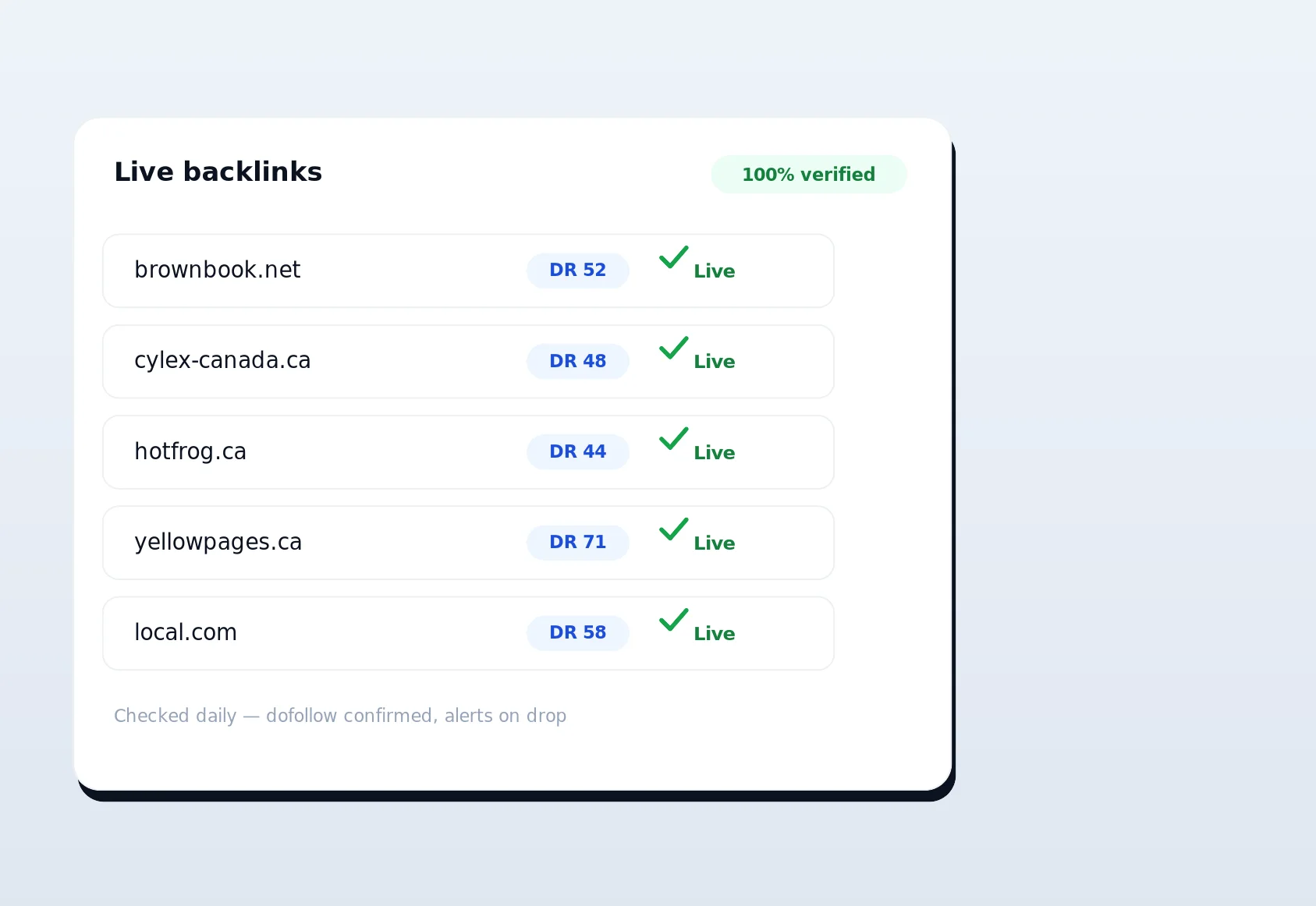
- Step 6 - The submission is logged and verified. Every submission, including which ones required a CAPTCHA, is recorded. LinkSpear's live-link verification then re-checks the listing on a schedule so you know it actually went live and stayed live.
Notice that the human touch is confined to the one place it is genuinely required. You are not retyping a business name for the fortieth time; you are spending three seconds proving you are a person, which is the single task a CAPTCHA is designed to measure.
Why the human-in-the-loop model beats auto-solving
There is a real fork in how citation tools deal with CAPTCHAs, and it directly determines whether your listings survive. One approach chases full automation by routing challenges to solving services. The other keeps a real person in the loop for the few seconds it takes. The table below shows why the second approach wins for local SEO.
| Factor | LinkSpear (human-in-the-loop CAPTCHA handling) | Fully manual submission | Server-farm auto-solving tools |
|---|---|---|---|
| Footprint risk | None - your genuine browser and IP solve it | None | High - datacenter IP plus third-party solve |
| Effort per CAPTCHA | A few seconds, everything else auto-filled | Seconds, but on top of full manual typing | Zero - until the listing gets filtered |
| Pass rate | High - looks like the human it is | High | Low - mismatched signals get flagged |
| Silent failures | None - you always see the challenge | None | Common - submissions vanish without notice |
| Listing survival after moderation | High - clean, legitimate signals | High | Low - flagged and removed later |
| Cost model | Included in your plan, no per-solve fees | Free but very slow | Per-solve fees that add up fast |
The pattern is consistent: manual submission is legitimate but exhausting, auto-solving is fast but fragile and footprint-heavy, and LinkSpear gives you the legitimacy of a human solve with almost none of the manual effort, because the human only handles the one step that requires a human.
It is worth being blunt about the trade-off. LinkSpear is not the tool for someone who wants to fire ten thousand unattended submissions overnight and never look at them. If that is the goal, auto-solving farms exist - and so does the inevitable cleanup when directories filter those listings out weeks later. What LinkSpear optimises for is approved, indexed, surviving citations. A CAPTCHA solved by a real person on a real IP is not a bottleneck; it is a quality gate that keeps your listings on the right side of every spam filter.
Concrete benefits and outcomes
Good CAPTCHA handling is not a convenience feature - it is the difference between a campaign that quietly loses half its listings and one that reliably banks them. Here is what LinkSpear's approach delivers in practice.
- No more silent failures. Automated tools that hit a CAPTCHA and give up rarely tell you. LinkSpear always surfaces the challenge, so you never discover weeks later that thirty target directories were never actually submitted.
- Higher approval and survival rates. Because a real person clears each challenge on a genuine IP, more submissions pass moderation and stay live rather than getting flagged and pulled.
- No per-solve costs. There are no third-party CAPTCHA-solving fees quietly eating your margins. The human step is you, and it costs seconds, not cents per attempt.
- Zero footprint on your accounts. Nothing routes through a solving farm or a shared proxy, so you never trip a network-level ban or torch a directory account.
- A complete, honest paper trail. Every submission is logged, including which required a CAPTCHA, so agencies can report exactly what was done for each client with no guesswork.
- Minimal human time. The auto-fill does everything except the challenge. You spend your attention only where a machine genuinely cannot help, which keeps campaigns fast without cutting corners.
To put rough numbers on it: a typical local citation campaign targets between forty and eighty directories, and a meaningful share of those - often a third or more - will present some form of CAPTCHA. Done manually, each of those is a full form plus a challenge. With auto-solving tools, each is a coin-flip on whether the listing survives. With LinkSpear, each is a few seconds of your time on top of an already-completed form, with a logged, verifiable result that compounds into hours saved and far more citations that actually stick.
Who CAPTCHA handling is for
Anyone building legitimate local citations at scale hits CAPTCHAs constantly, so this capability matters across the board.
Local service businesses
Trades and local services depend on consistent citations to rank in the local pack, and the highest-authority directories are precisely the ones most likely to gate submissions behind a CAPTCHA. Whether you run a plumbing company or a dental practice, LinkSpear makes those gated directories accessible without resorting to sketchy automation. See how it maps to specific trades on our plumbers and dentists pages.
Marketing agencies
Agencies feel the pain of CAPTCHAs most because they run citation campaigns across dozens of clients. A tool that silently fails on gated directories creates reporting nightmares and missed deliverables. LinkSpear's transparent, logged CAPTCHA handling turns that risk into a predictable, repeatable process, and agency sub-accounts keep each client's submissions cleanly separated.
In-house marketers and SEO consultants
If you own local SEO for one brand or a handful of locations, you want every citation to count and none to slip through the cracks. LinkSpear keeps you in full control - you see every challenge and confirm every submission - while removing the parts a machine should genuinely handle.
How CAPTCHA handling fits the wider LinkSpear workflow
CAPTCHA handling is not a standalone gadget; it is one moment in a longer local growth engine, and it hands off cleanly to the rest of the platform. A typical LinkSpear sequence looks like this:
- Find the businesses. Use business lead scraping from OpenStreetMap and YellowPages to build a raw list of prospects in your target area.
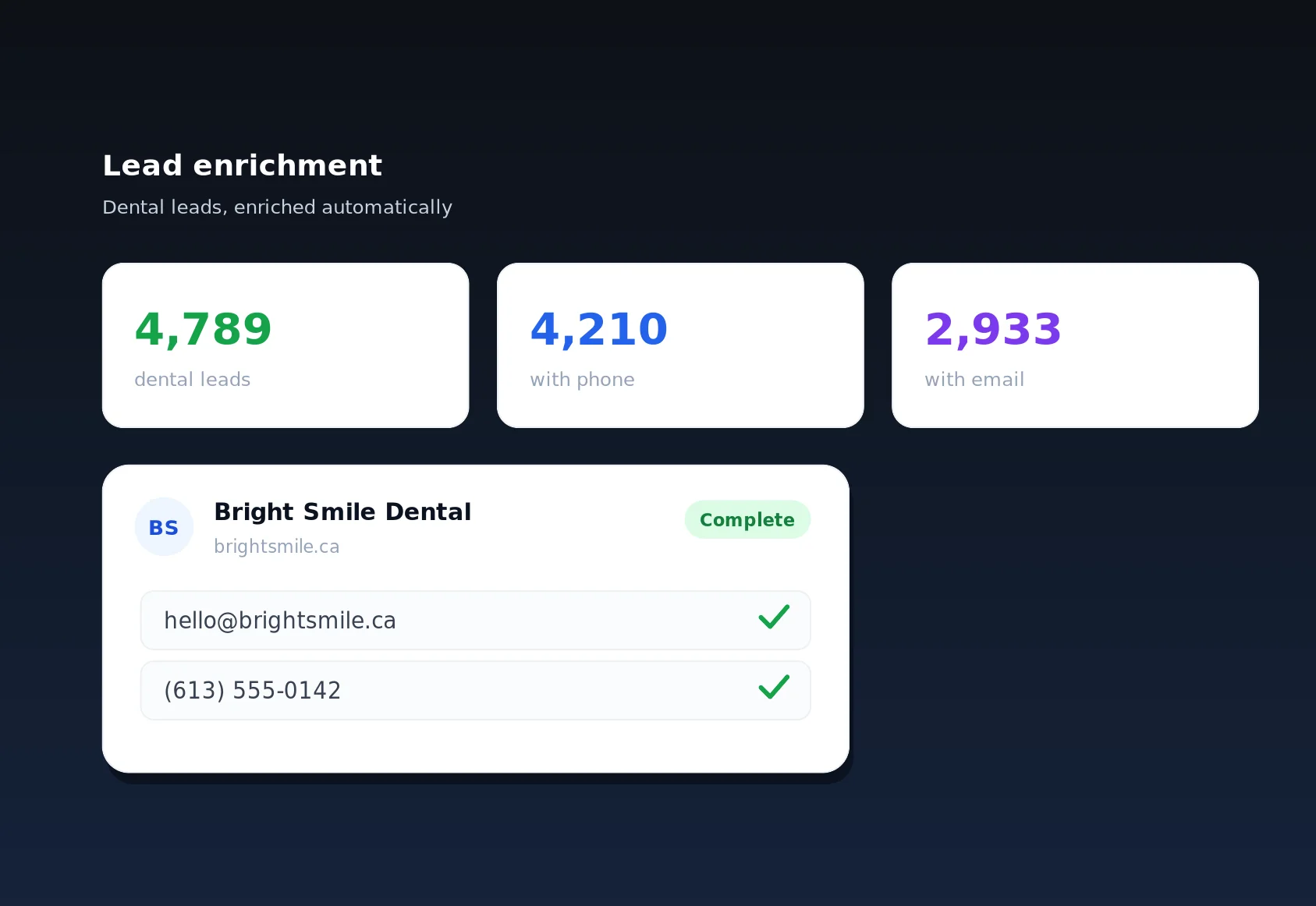
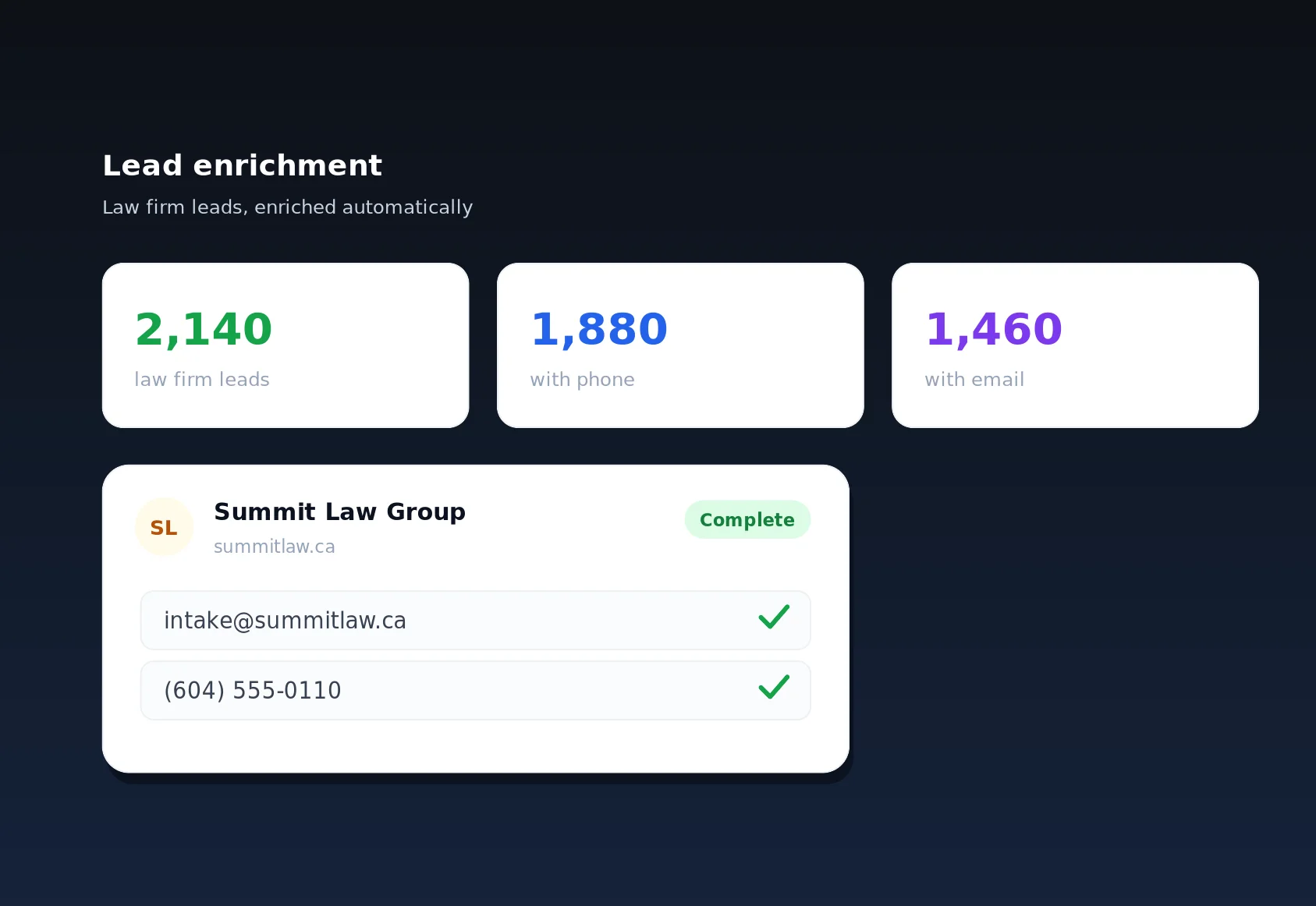
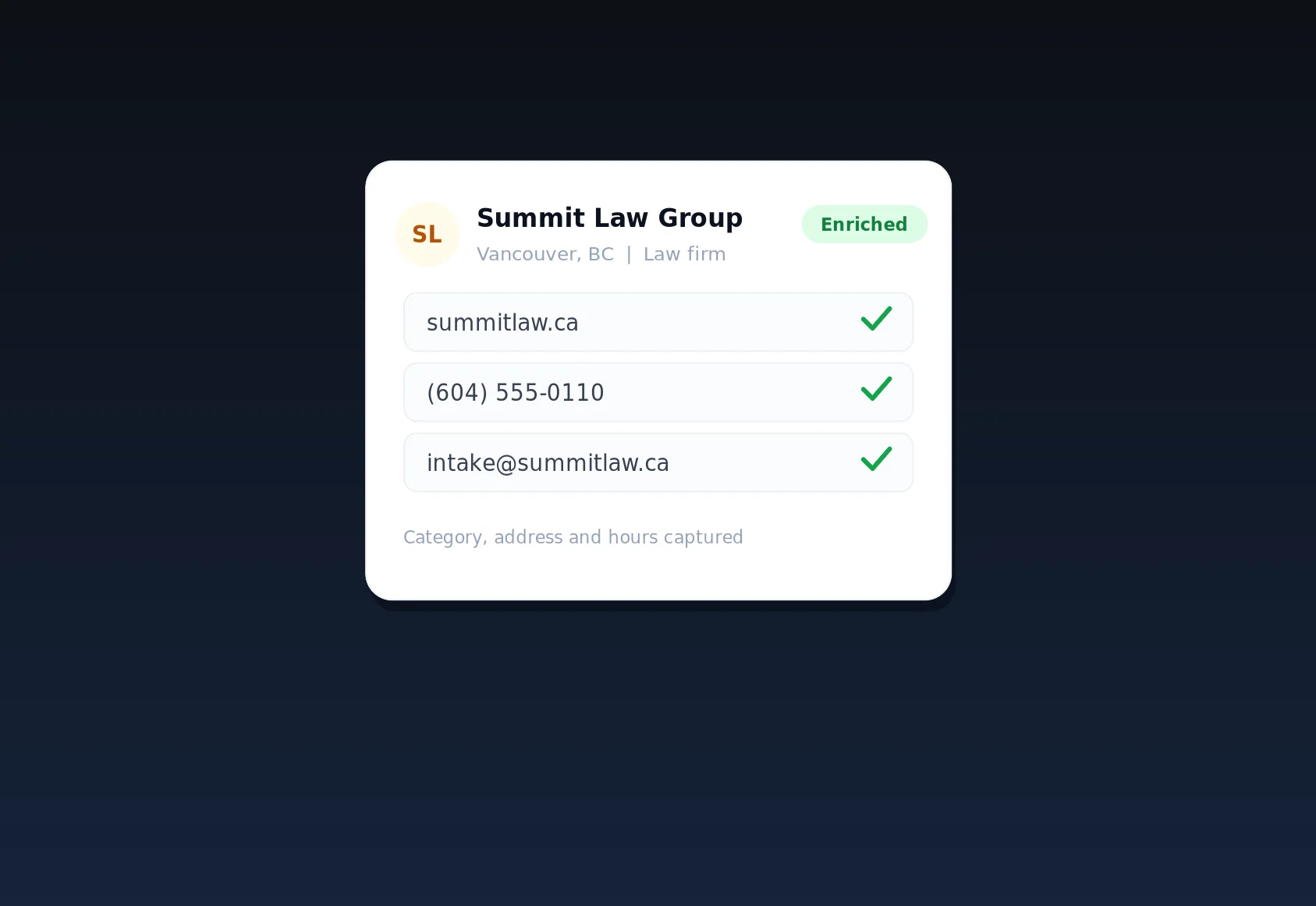
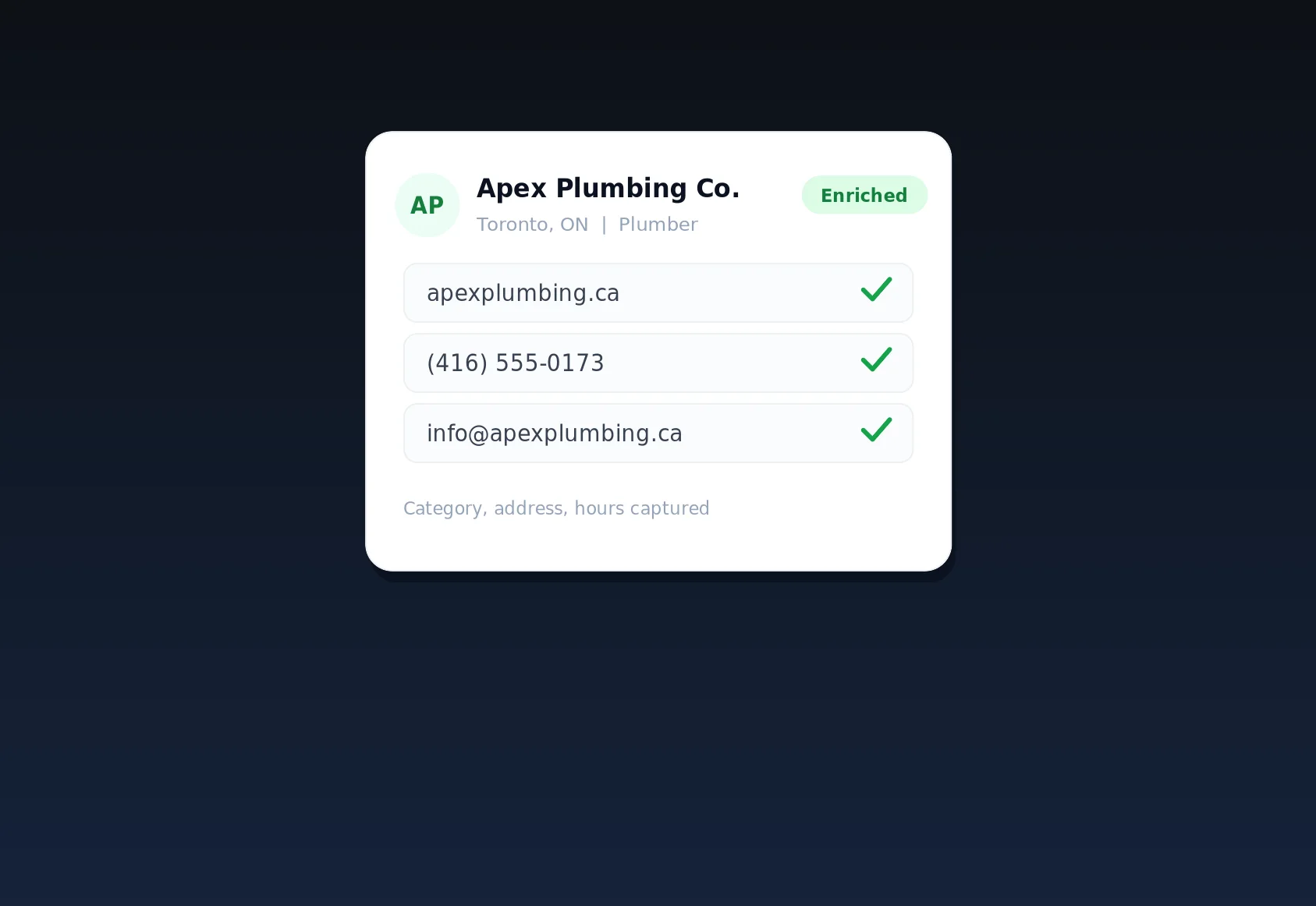
- Enrich the data. Lead enrichment visits each business's own website through rotating anonymous proxies to fill in missing emails and phone numbers - your IP never leaks during this discovery phase.
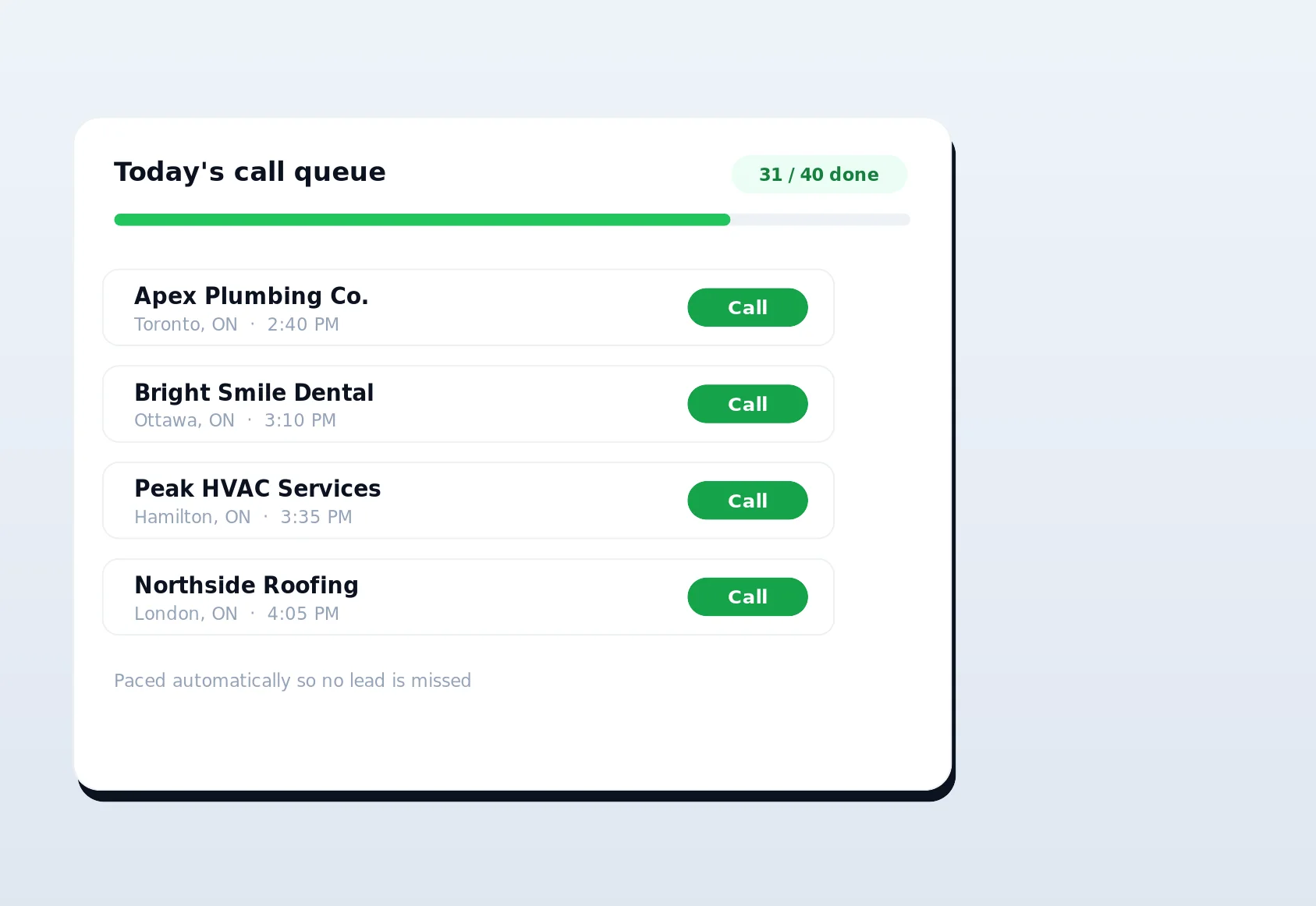
- Work the leads. Call queuing hands prospects to your sales reps one at a time, with fair cross-tenant distribution, cooldowns and daily call caps.
- Build the citations. Once a business is a client, the directory backlink builder gets them listed everywhere that matters - and CAPTCHA handling keeps the gated directories in reach without footprints.
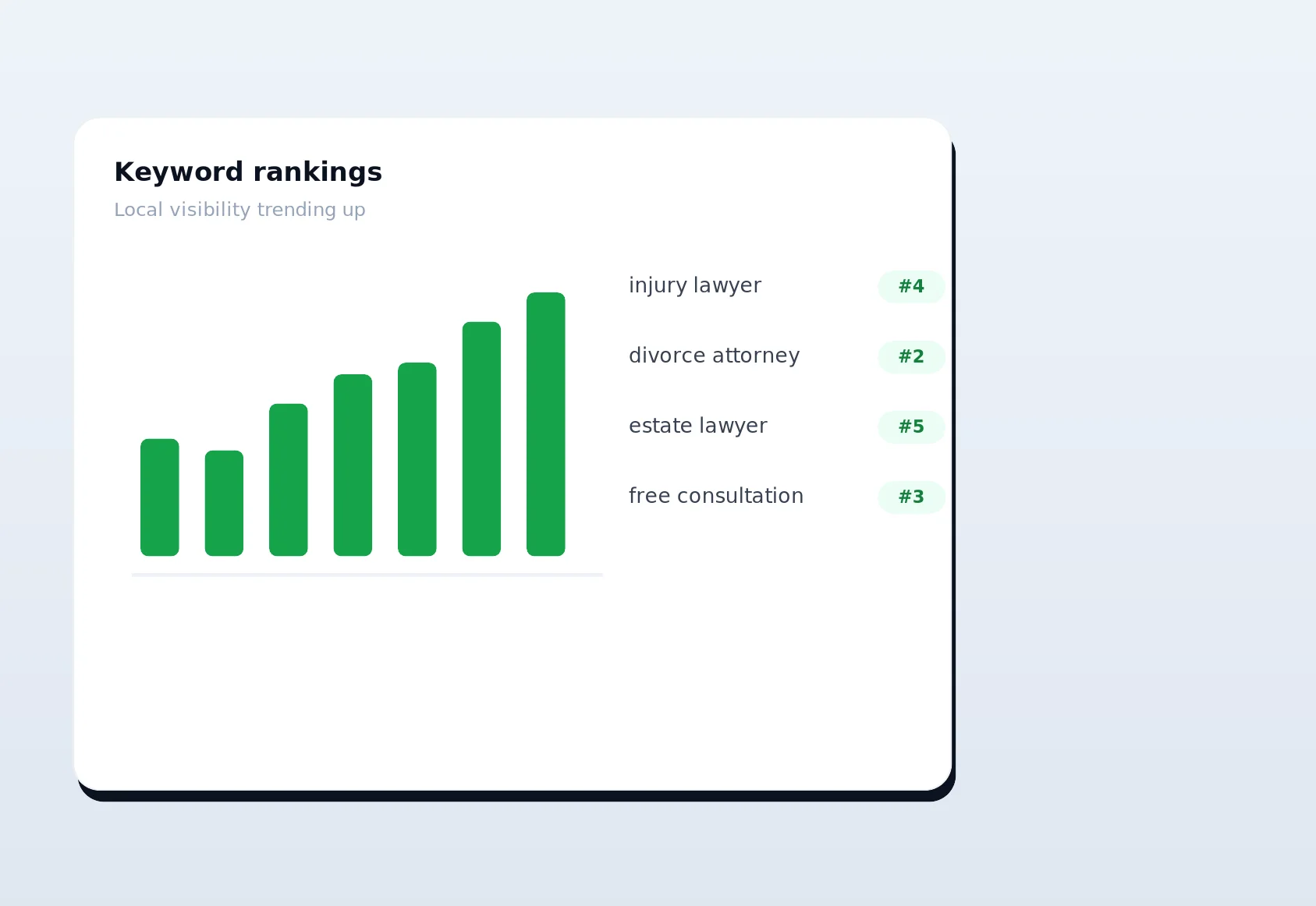
- Measure and protect. Rank tracking, live-link verification, schema audits, instant indexing and the disavow tool close the loop, proving the citations are live and the rankings are moving.
There is a deliberate consistency in how LinkSpear handles identity across this workflow. During lead discovery and enrichment, the platform routes through anonymous rotating proxies so you never expose yourself while scraping the open web. During citation submission - CAPTCHAs included - it does the opposite on purpose, using your real browser and real IP because that is precisely what makes a challenge pass and a listing look legitimate. The CAPTCHA handling only works because the rest of the submission pipeline is already built to look human.
How LinkSpear handles the different CAPTCHA types you will meet
Not all challenges are created equal, and part of good CAPTCHA handling is recognising which one a directory has thrown and presenting it to you in the clearest possible way. Here is how the common types play out inside LinkSpear.
Checkbox and invisible reCAPTCHA
The most common gate is a simple 'I am not a robot' checkbox or an invisible score-based check. Because your session carries a genuine browser fingerprint and IP with real history, these usually clear with a single click - and often the invisible variety passes without you doing anything at all, which is only possible because you are not a bot.
Image-grid and hCaptcha challenges
When a directory escalates to an image grid - pick the crosswalks, the buses, the traffic lights - LinkSpear surfaces it in-flow and you solve it in a few seconds. These are the challenges that reliably break auto-solvers, and the exact ones a real human clears without a second thought.
Text, math and custom CAPTCHAs
Some directories, especially older or niche citation sources, use distorted text, simple arithmetic, or bespoke question-and-answer gates. LinkSpear flags these the same way, so no matter how idiosyncratic the challenge, you always see it, solve it, and continue - rather than watching a submission fail without explanation.
Transparency you can report on
One of the quietest costs of automated citation tools is that you can never fully trust their numbers. A dashboard claiming fifty successful submissions is worthless if fifteen silently failed at a CAPTCHA and were never really filed. LinkSpear's CAPTCHA handling is transparent by design: because a human clears every challenge in-flow, you have direct confirmation that each gated submission was genuinely completed, and the platform logs it accordingly. When you pair that with live-link verification re-checking listings on a schedule, you can report to a client or a stakeholder with real confidence - this is what we submitted, this is what went live, this is what is still pending. No inflated counts, no phantom citations, no unpleasant surprises when a client audits their backlink profile. For agencies in particular, that honesty is the difference between a service you can stand behind and one that quietly erodes trust.
Frequently misunderstood, in one line
Does LinkSpear auto-solve CAPTCHAs for me? No, and that is the point - a real human clears each challenge in seconds, which is exactly why your submissions pass and stay live. Will this slow me down? Barely - the auto-fill does everything except the human step, so you spend seconds per CAPTCHA, not minutes. Is it safe for my accounts? Yes - nothing routes through a solving farm or shared proxy, so there is no footprint and no ban risk.
Start handling CAPTCHAs the right way
Automated auto-solving is fast until your listings get filtered and you are paying per-solve fees for the privilege. Fully manual submission is legitimate but brutal on your time. LinkSpear's CAPTCHA handling gives you the best of both worlds: auto-fill that prepares every field, a clear hand-off at the one moment a directory needs a real person, a genuine solve on your own browser and IP that keeps every listing clean, and a logged, verifiable trail of exactly what was done. It all sits inside a platform that also handles lead scraping, enrichment, call queuing, citation building, rank tracking and live-link verification. New users get a 14-day free trial on the Starter plan, with no long-term commitment, so you can install the extension, prepare your first submission, and clear a gated directory the honest way before you decide anything. Start your free trial today and stop letting CAPTCHAs quietly kill half your citations.