You spent months earning links. A directory listing here, a supplier citation there, a local news mention, a partner page that pointed customers your way. Then one quarter your rankings slip for no obvious reason, and nobody can say why. More often than not, the culprit is invisible: links that used to point at your site have quietly disappeared. Lost backlink recovery is the discipline of finding those dropped links, understanding why they vanished, and getting them reinstated before the ranking damage compounds. LinkSpear turns that from a manual chore into a monitored, repeatable workflow.
Links do not last forever. Pages get redesigned, editors trim old content, directories purge stale entries, competitors get their listings swapped in for yours, and site migrations silently drop half a footer. Google notices when a page loses authority signals, and it re-weights accordingly. The frustrating part is that these are links you already earned, from sites that already said yes. Recovering them is almost always faster, cheaper and higher-converting than chasing brand-new placements from cold.
What is lost backlink recovery?
Lost backlink recovery is the process of continuously comparing the backlinks you had against the backlinks you have now, isolating the ones that dropped, and taking targeted action to restore each one. A healthy program answers four questions on repeat: which links did we lose, when did we lose them, why did we lose them, and what is the fastest path to getting each one back.
It is not the same as building new links. New link building starts from zero trust: you have to pitch, prove relevance and hope for a yes. Recovery starts from a warm base. The site already linked to you once, which means the editorial or approval barrier is already cleared. In most cases you are fixing a technical problem, correcting an outdated URL, or sending a short, friendly reminder rather than negotiating a brand-new relationship.
Done well, recovery is one of the highest-ROI activities in SEO because the win rate is high, the effort per link is low, and the links you reclaim are usually your oldest and most trusted. Those aged links carry disproportionate weight precisely because they have survived so long.
Why lost links quietly kill your rankings
Most teams never notice a lost link until the aggregate damage shows up in traffic. By then you are reverse-engineering a decline instead of catching a single drop. Here is what is actually happening under the surface when links disappear:
- Authority leaks away gradually. Lose one link and nothing moves. Lose fifteen over two quarters and a whole cluster of pages softens in the rankings, usually the money pages that were link magnets in the first place.
- Your oldest, best links are the most fragile. The high-value editorial mentions and long-standing directory listings are exactly the ones that get caught in redesigns and content pruning. You lose quality faster than quantity.
- Competitors fill the gap. When a directory or resource page swaps your listing for a rival's, you do not just lose a link, you hand a competitor a positioning win on a page your prospects already read.
- Referral traffic dies with the link. Links are not only ranking signals. A dropped listing on a busy local directory or supplier page can cost you real clicks and phone calls every week.
- Reacquisition gets harder the longer you wait. A link removed last week is easy to restore, the editor remembers you. A link removed eighteen months ago, on a page now run by someone new, is a far colder conversation.
Speed is the whole game. The difference between recovering a link and losing it for good is usually measured in weeks, which is why continuous monitoring beats an annual audit every time.
How lost backlink recovery works in LinkSpear
LinkSpear runs recovery as a monitored loop rather than a one-off report. You point it at your domain, it establishes a baseline of your current link profile, and from then on it watches for anything that changes. When a link drops, you get the context you need to act, not just a raw list.
Step 1: Baseline your link profile
LinkSpear ingests your known backlinks, whether that is your existing profile, links you built through our automated directory backlink building, or a list you import. This becomes the reference point. Every future check is measured against this snapshot, so the system knows exactly what "normal" looks like for your site.
Step 2: Continuous live-link verification
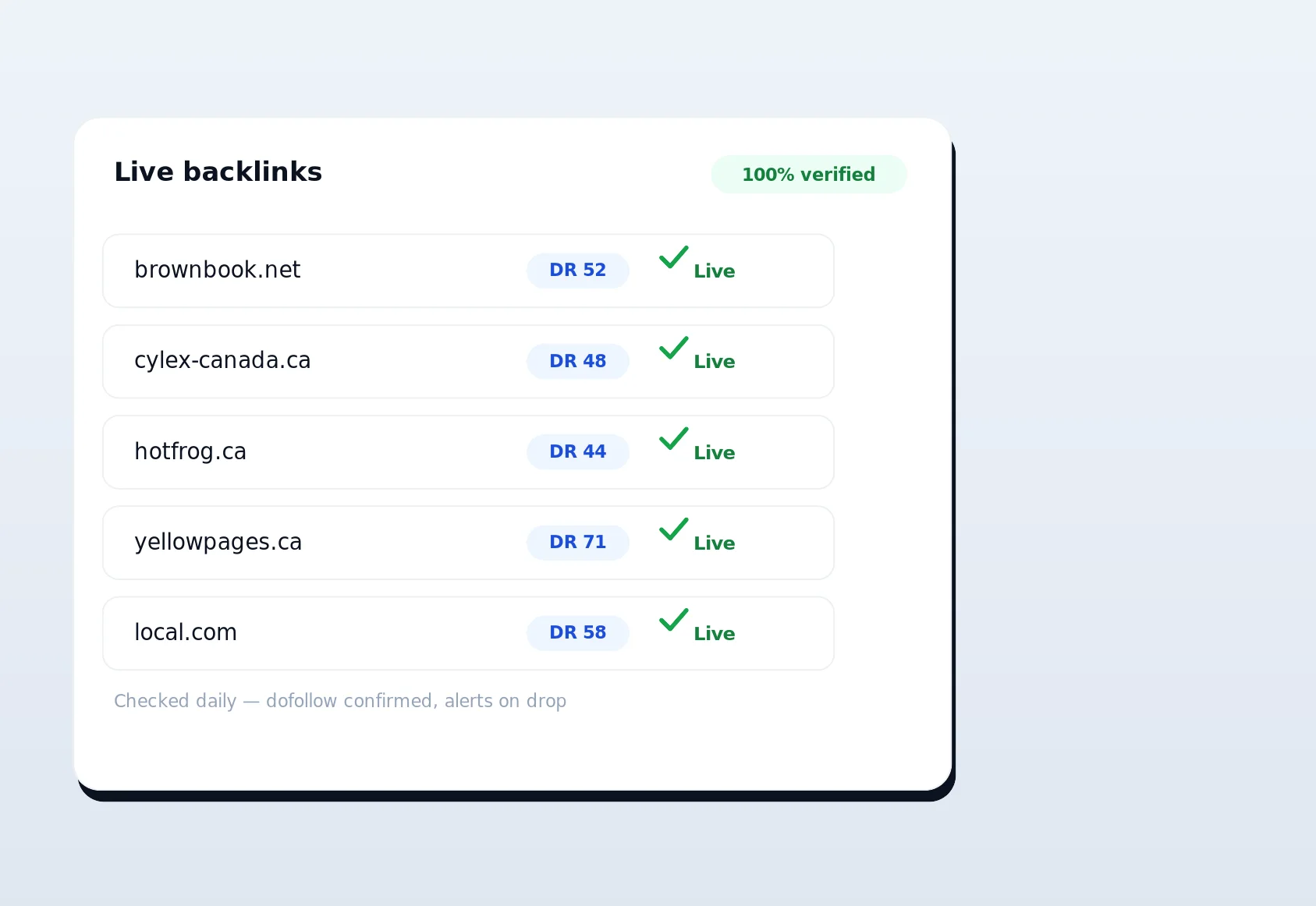
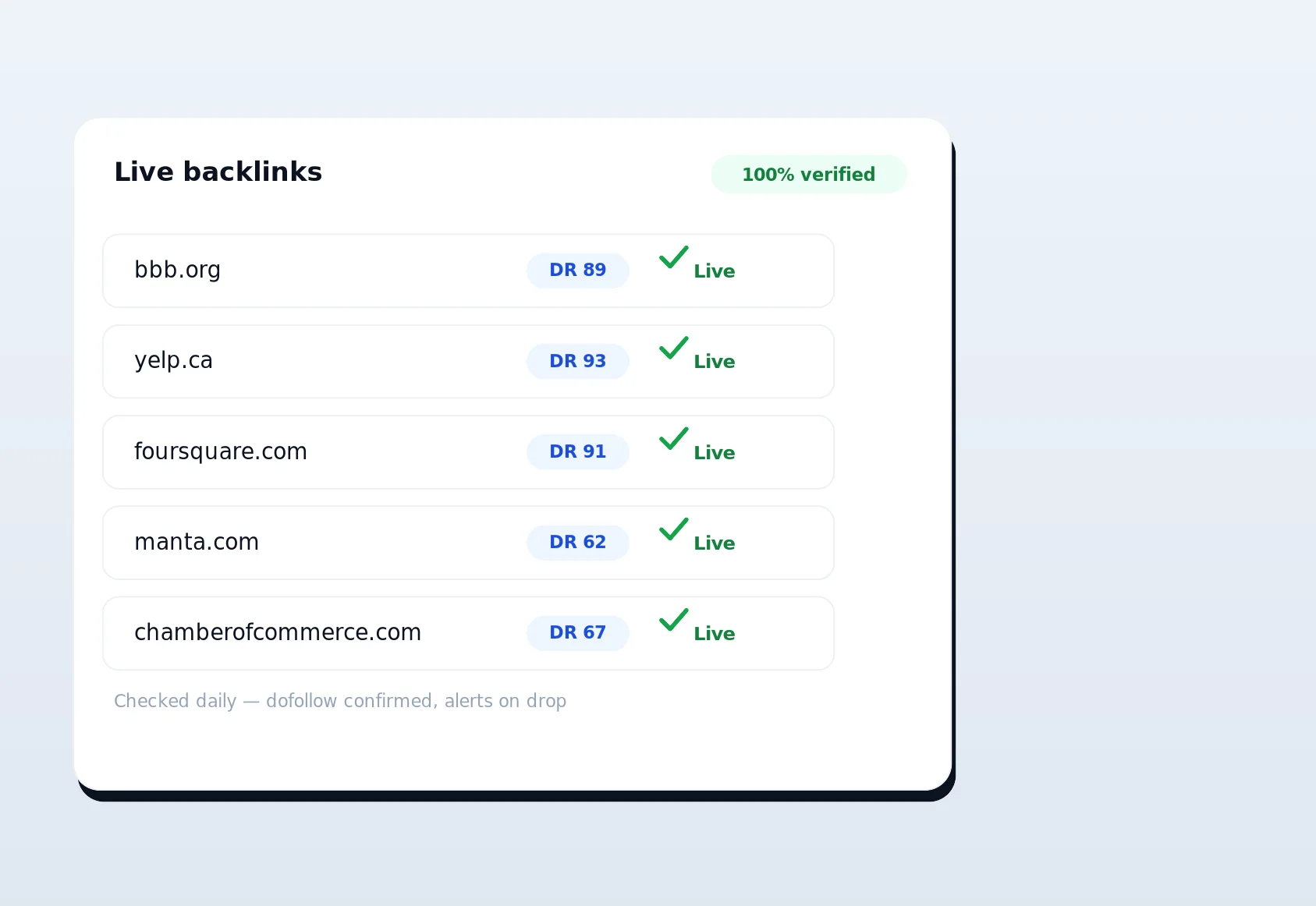
On a recurring schedule, LinkSpear re-checks every known link with genuine live-link verification. It fetches each linking page, confirms the anchor still exists, and records the HTTP status. Checks run through rotating anonymous proxies so your own IP never leaves a footprint and destination sites cannot rate-limit or fingerprint your monitoring. A link that was live last week and is missing this week gets flagged immediately.
Step 3: Classify why each link dropped
A missing link is useless without a reason. LinkSpear buckets every loss into an actionable category so you know what to do next:
- 404 / dead page — the whole page that linked to you is gone.
- Link removed, page live — the page still exists but your link was stripped out.
- Redirect / migration — the page moved and your link did not survive the move.
- Changed to nofollow — the link is technically still there but no longer passes authority.
- Replaced by a competitor — your slot now points somewhere else.
- Anchor or URL changed — the link points at an old, broken or redirected URL on your side.
Step 4: Prioritize by impact
Not every lost link is worth chasing. LinkSpear ranks recoverable links by the authority of the referring domain, the relevance of the page, whether the loss is a quick technical fix or a human outreach job, and how recently it dropped. You work the high-value, easy-win links first instead of drowning in a flat list.
Step 5: Recover, then confirm
For technical losses, LinkSpear tells you exactly what to fix. If the link pointed at a URL that now 404s or redirects, the answer is often a redirect or a corrected destination on your own site, no outreach required. For removed or replaced links, you get the referring page, the original context, and current contact details so you can send a short, specific reminder. Directory and citation losses can be resubmitted with the Chrome extension, which auto-fills the submission using your real browser and real IP so the placement looks exactly like the original. Once you have acted, the next verification pass confirms the link is back, closing the loop.
Reading the recovery report
When you open a recovery report in LinkSpear, you are not staring at a raw export of URLs. Each entry is a decision-ready row: the referring domain and its authority, the exact page the link lived on, the anchor text that was used, the date the link was last seen live, the date it was detected missing, the loss category, and a recommended action. That structure exists because a list of missing links is only half an answer. The value is in knowing, at a glance, which losses are yours to fix in five minutes and which need a human on the other end.
You can filter and sort the report the way you would triage a support queue. Show me every high-authority link that dropped in the last thirty days. Show me every loss caused by a redirect on my own site, because those need no outreach at all. Show me only the directory and citation losses so I can batch-resubmit them through the extension. This turns recovery from an overwhelming spreadsheet into a short, ordered to-do list that a junior team member can work through without guesswork.
Because every check is timestamped and stored, you also get a history. You can see that a particular partner page has dropped and restored your link twice this year, which tells you the relationship needs a more permanent fix rather than another polite email. Patterns like that are invisible in a one-off audit but obvious in a monitored, historical view.
The concrete benefits and outcomes
Teams that run structured lost backlink recovery stop treating link loss as an unavoidable tax and start treating it as a leak they can seal. The outcomes are practical and measurable:
- Reclaim ranking equity you already paid for. Restoring aged, trusted links recovers authority faster than building new ones, and it protects the money pages those links support.
- Catch drops in days, not quarters. Continuous monitoring means you act while the link is still warm and the fix is still cheap.
- Higher win rate, lower effort. A site that linked to you once will almost always do it again. Recovery outreach converts far better than cold pitching.
- Recover referral revenue, not just rankings. Reinstated directory and partner links start sending clicks and calls again the moment they go back live.
- A clean, documented audit trail. Every loss, reason and recovery is logged, so agencies can show clients exactly what was saved and why the retainer earns its keep.
- No footprint, ever. Verification runs through anonymous proxies and resubmissions use your real browser, so nothing about your monitoring or rebuilding leaves a detectable trail.
Recovery versus building new links
Recovering a dropped link and earning a brand-new one are both worth doing, but they are not interchangeable. The economics are very different, and most teams over-invest in the harder path while ignoring the easy wins sitting in their own history.
| Factor | Recovering a lost link | Building a new link |
|---|---|---|
| Editorial barrier | Already cleared once | Must earn trust from scratch |
| Typical win rate | High — warm relationship | Low — cold pitch |
| Effort per link | Low — often a technical fix | High — research, pitch, follow-up |
| Link age & trust | Aged, established authority | Brand new, unproven |
| Time to impact | Fast — link simply returns | Slow — needs to be crawled and trusted |
| Cost per acquired link | Low | High |
The point is not to stop building new links. It is to plug the leak first. There is little sense pouring water into a bucket with a hole in the bottom, and lost links are that hole. A team that adds twenty new links a quarter while quietly losing fifteen is running hard to stand still. Recovery is what lets your new-link efforts actually accumulate rather than merely offset attrition.
There is also a compounding effect worth naming. The links you recover are, by definition, the ones that survived long enough to be worth losing. They are older, more established and more trusted than anything you build today. Restoring one aged, relevant link from a domain that has pointed at you for years often moves rankings more than three fresh links from sites with no track record. Recovery is not the consolation prize to new link building; on a per-link basis it is frequently the better investment.
Who lost backlink recovery is for
Any site with a history of earned links benefits, but a few groups feel the pain most acutely:
- Local service businesses whose citations and directory listings are their bread and butter. Trades like plumbers, electricians and roofers live or die by consistent local citations, and a purged directory entry directly dents map-pack visibility.
- Marketing agencies managing dozens of client profiles who cannot manually audit every link every month. Recovery monitoring, paired with agency sub-accounts, turns link protection into a scalable, reportable service line.
- Established sites post-migration that just replatformed and quietly dropped links in the process. A redesign or CMS switch is the single most common cause of mass link loss.
- Anyone recovering from a ranking dip with no obvious on-page cause. Lost links are the usual suspect, and they are invisible unless you are watching for them.
How recovery fits the wider LinkSpear workflow
Lost backlink recovery is not a standalone gadget. It is one stage in a connected loop that takes a business from raw lead to ranked, defended online presence. Each capability feeds the next:
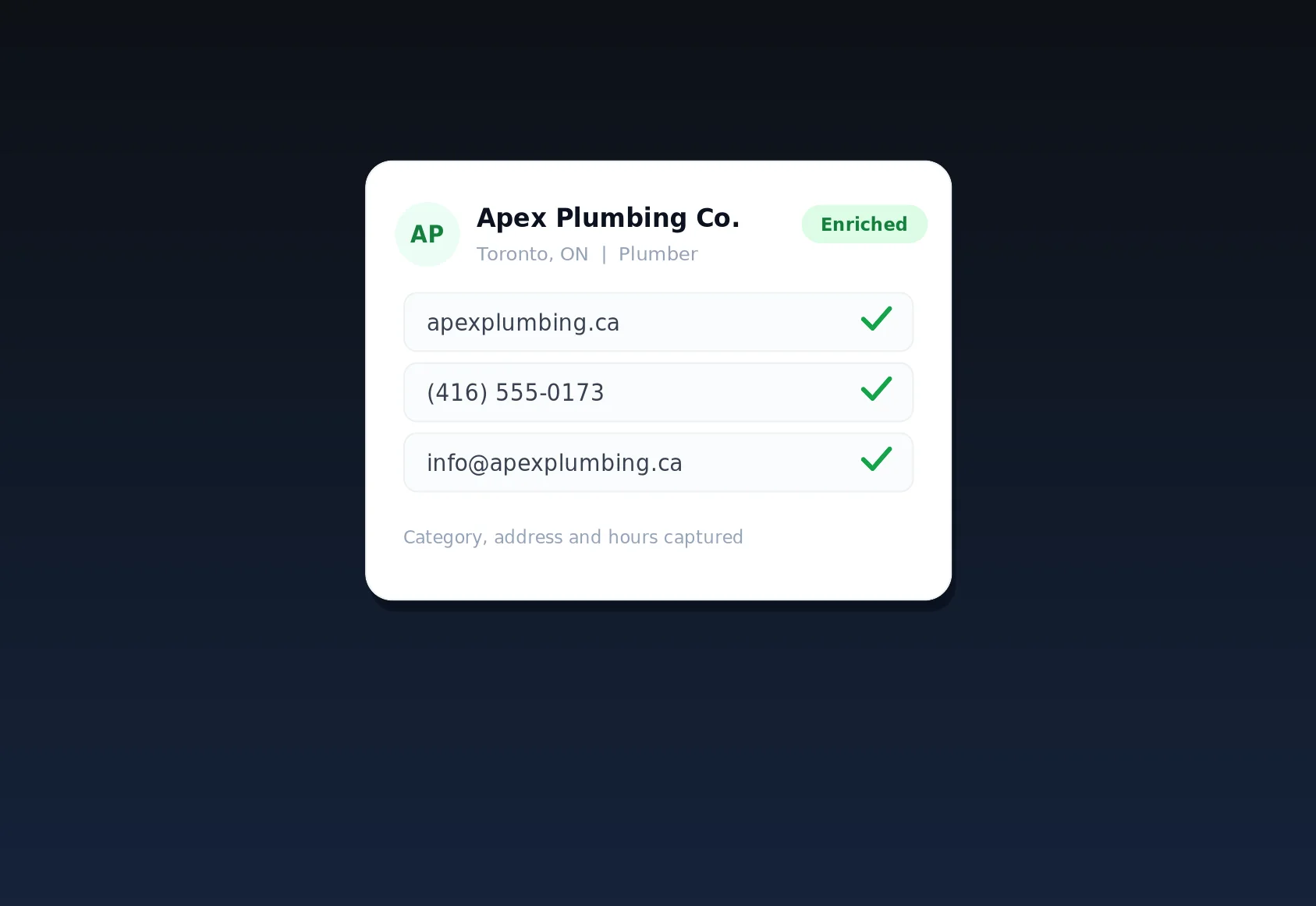
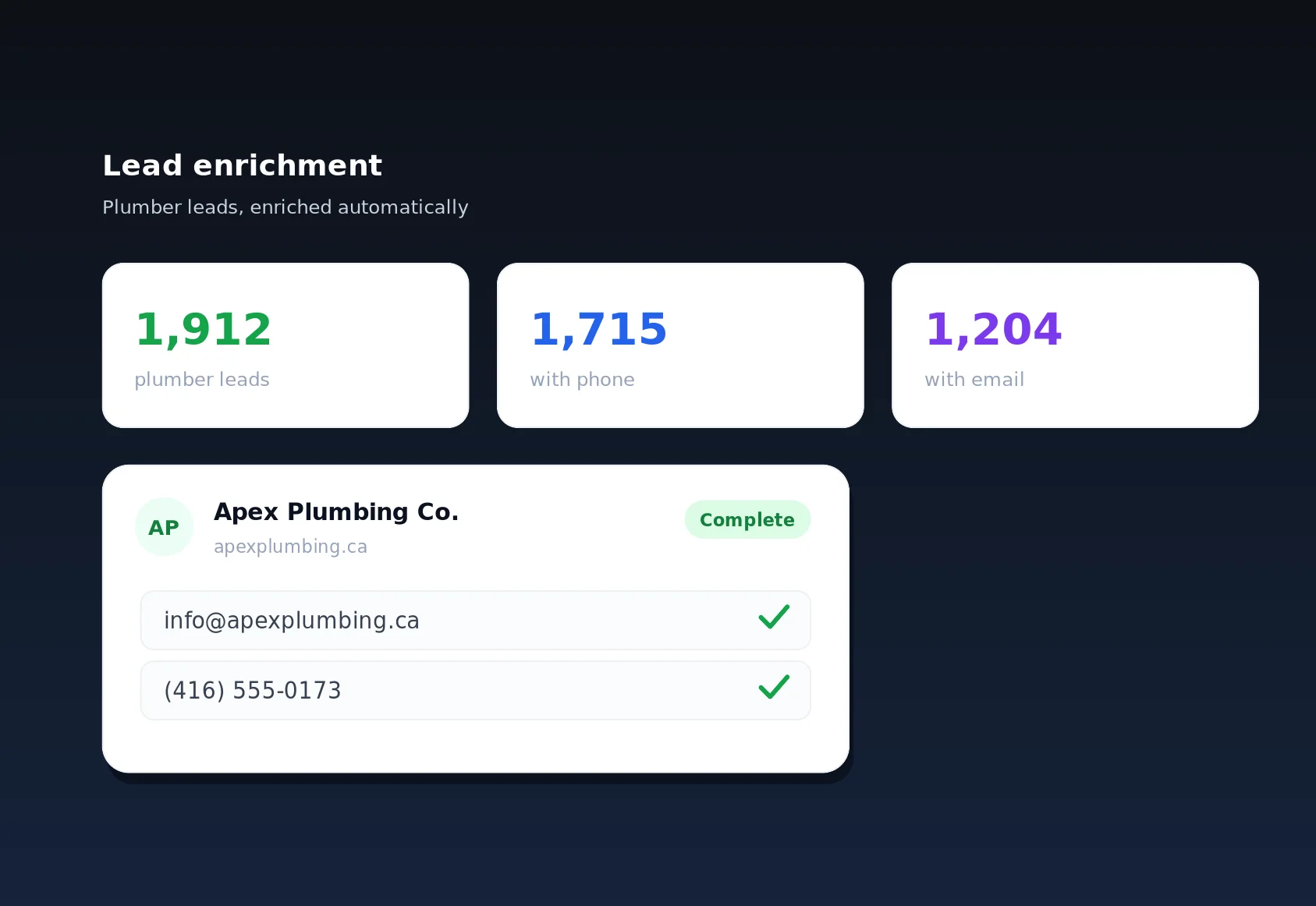
- Find and enrich. Pull local businesses from OpenStreetMap and YellowPages, then use lead enrichment to fill in emails and phone numbers by visiting each site through anonymous proxies.
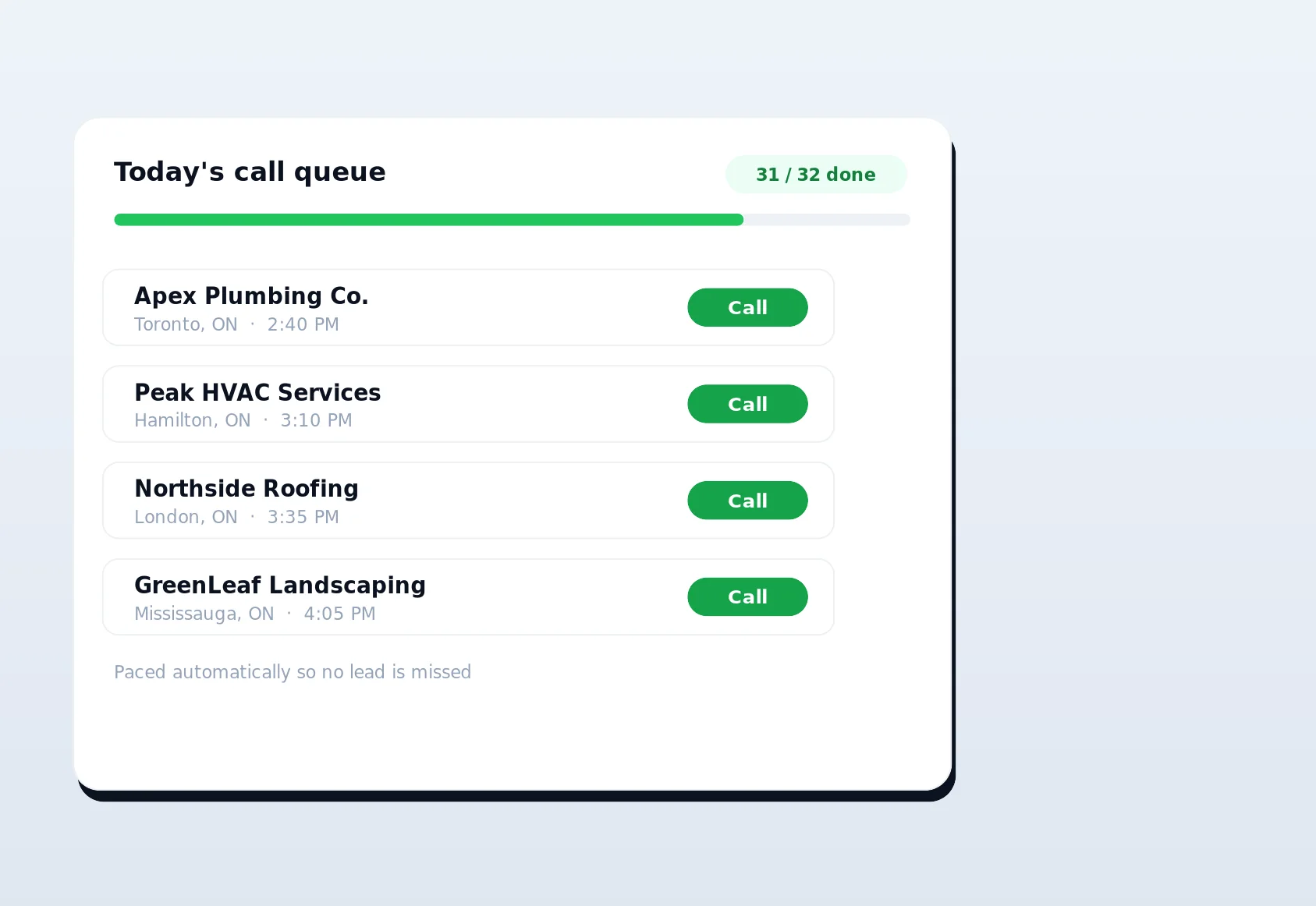
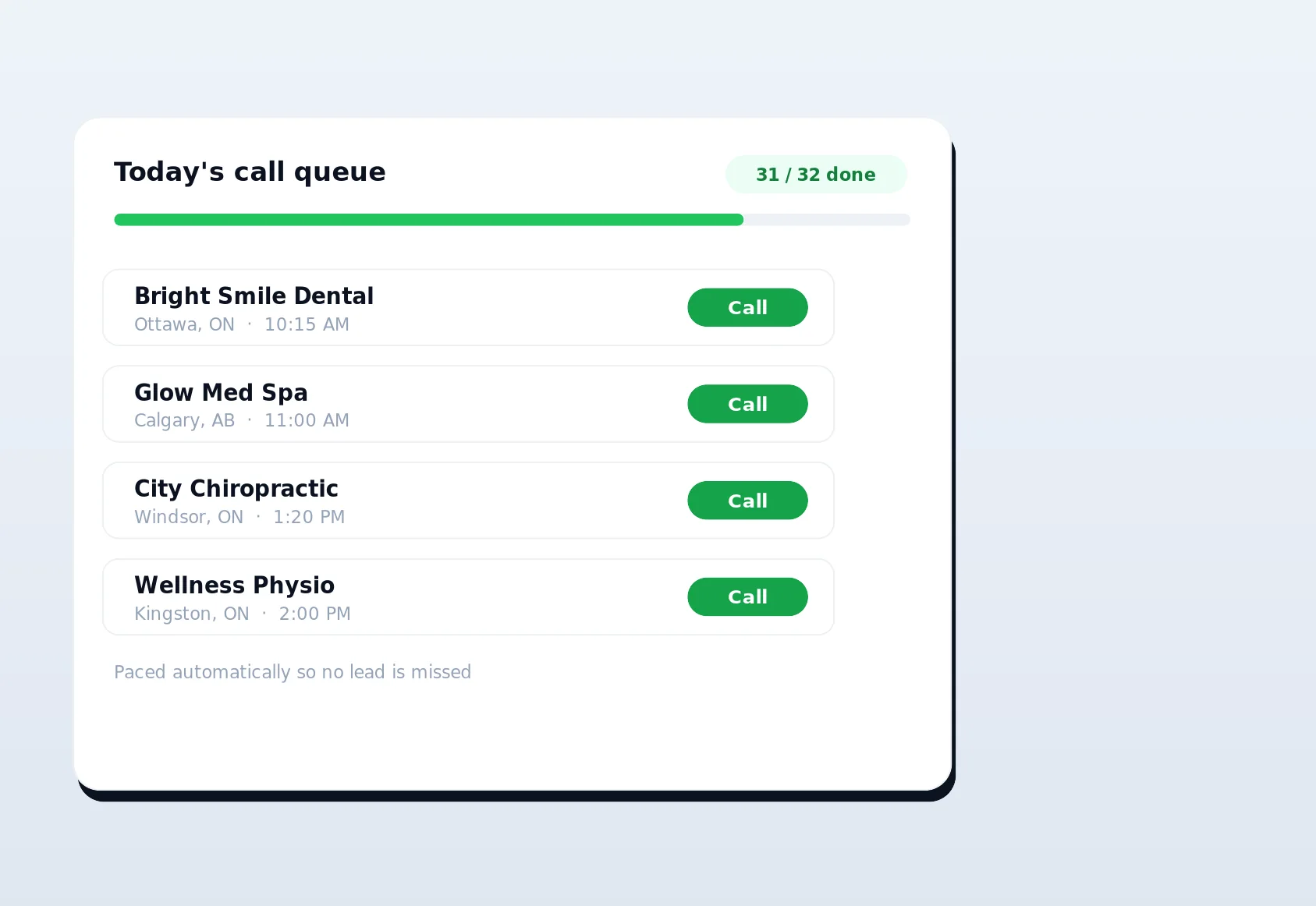
- Reach out. Hand enriched leads to your reps through call queuing, with fair distribution, cooldowns and daily caps built in.
- Build presence. Grow citations and links with automated directory backlink building using your real browser and IP, leaving no footprint.
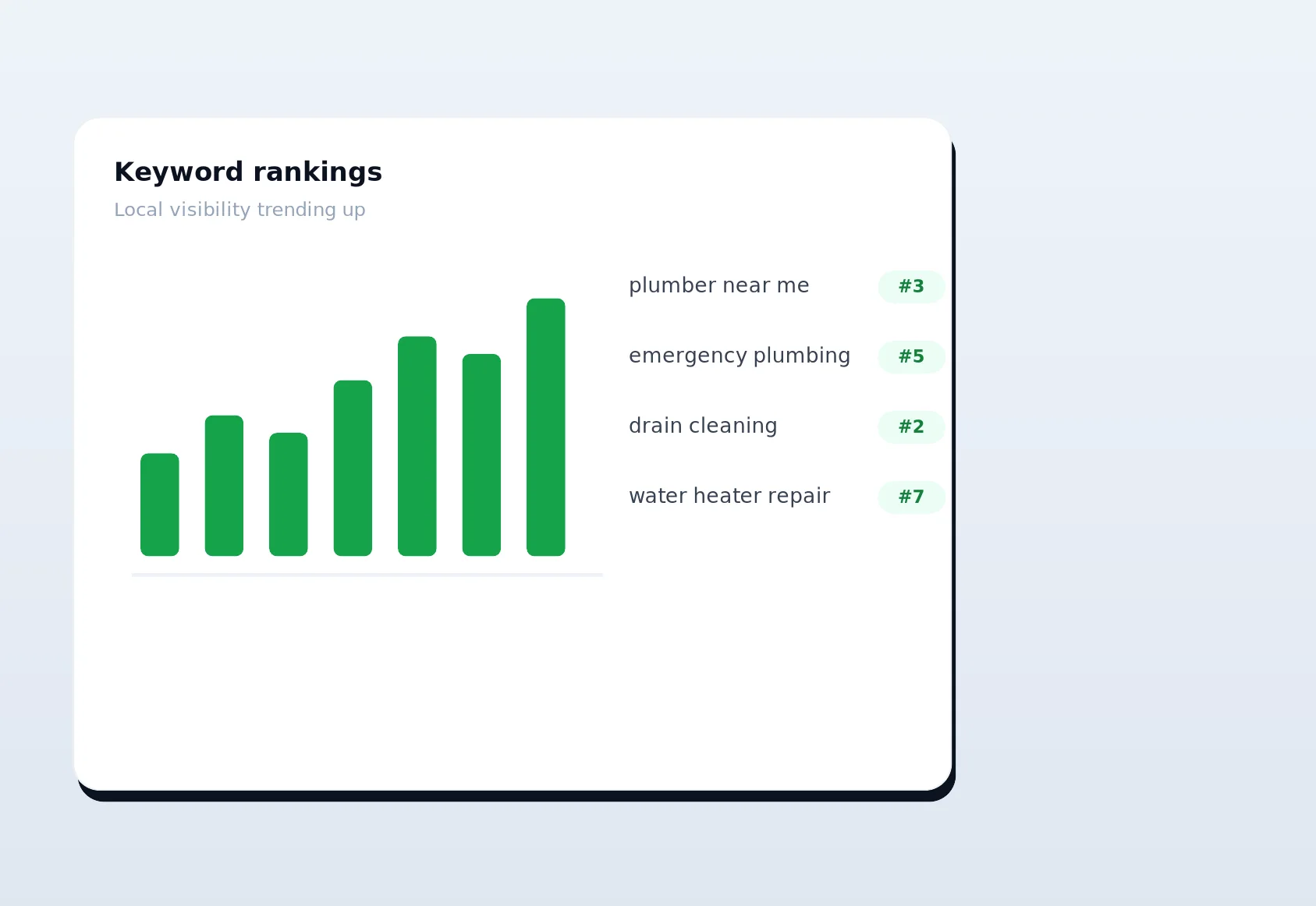
- Measure. Track positions with rank tracking and watch how link changes move the needle.
- Defend. Recovery closes the loop, protecting everything the earlier stages built so your hard-won authority does not silently erode.
Because recovery shares the same proxy infrastructure and link database as the rest of the platform, there is nothing extra to wire up. The links you build are automatically the links you monitor, and the links you monitor are automatically the ones you recover. There is no second tool to buy, no export-and-import dance between systems, and no separate proxy pool to manage. When you build a citation through the directory tool, it enters the monitored set the moment it goes live, so the very first drop is caught without you lifting a finger.
For agencies this shared foundation is the difference between a recovery service that scales and one that eats every spare hour. Instead of manually auditing each client, you let the platform watch every profile continuously and only surface the losses that need a human. One analyst can then defend dozens of clients' link profiles, and every action is logged for the monthly report that justifies the retainer.
Recovery, disavow and a clean profile
Recovery is about winning good links back, but a healthy profile also means keeping bad ones out. LinkSpear pairs recovery with a disavow tool and anchor-text optimization so you are simultaneously reclaiming the links worth having and neutralizing the ones that could drag you down. The result is a link profile that is not just bigger, but cleaner, more relevant and better balanced on anchor text, which is exactly what search engines reward over the long run.
This matters because indiscriminately chasing every dropped link is a mistake. A spammy link that fell off is a link you should let go, or even disavow. LinkSpear's classification helps you tell the difference, so your effort goes into recovering the placements that actually strengthen your standing.
Start recovering your lost links today
Every week you wait, another warm, recoverable link cools into a cold, hard-to-win one. The links your site has already earned are the cheapest, fastest authority you will ever get back, and you cannot recover what you are not watching. LinkSpear gives you continuous monitoring, plain-English reasons for every drop, a prioritized recovery plan, and the tooling to put each link back, all without leaving a footprint. New users get a 14-day free trial on the Starter plan, so you can baseline your profile and surface your first batch of lost links before you spend a cent. Start your free trial, find out what you have been losing, and start winning it back.