Most small businesses treat a press release as a one-time PR stunt. Done right, press release distribution is one of the most efficient ways to earn branded mentions, syndicated news pickups, and the kind of authoritative signals that move local rankings. LinkSpear's Press Release Distribution turns a single announcement — a new location, a hire, an award, a seasonal offer — into coverage across news portals and industry sites, then tracks every placement so you know exactly what you got. This isn't spray-and-pray wire spam; it's a structured, measurable channel that plugs directly into the rest of your local lead-generation and SEO stack.
If you've ever paid a wire service and been handed a one-line "your release went out" receipt with no proof, no links, and no idea whether it moved anything, you already understand the problem we set out to fix. Distribution should be accountable. Every dollar you spend on getting an announcement in front of news portals should come back to you as a verifiable list of placements, a measurable bump in referring domains, and a visible shift in the keywords you actually care about ranking for. That accountability is the difference between a marketing expense and a compounding asset — and it's the standard LinkSpear holds this feature to.
What Is Press Release Distribution, Really?
Press release distribution is the process of writing a newsworthy announcement, formatting it to journalistic standards, and pushing it out to a network of news aggregators, syndication partners, and topical publications so it gets indexed, cited, and — ideally — picked up by real outlets. For a local business, the value isn't landing on the front page of a national paper. The value is the compounding trail of press release distribution signals it leaves behind: your business name, address, and phone appearing consistently across credible domains, your website linked from news and industry pages, and your announcement surfacing in Google News and branded search.
Search engines weigh consistency and context. When your NAP (name, address, phone) shows up the same way across dozens of trustworthy sources, and when those sources describe what you do in natural language, you're feeding the exact signals local ranking systems reward. LinkSpear treats every release as both a communications asset and a structured citation event — not a throwaway blog post.
It helps to separate two things that often get conflated. Traditional public relations is about persuading a journalist to write about you; that still matters, and a great release can absolutely trigger real editorial coverage. But the SEO layer works even when no reporter picks up the phone. The moment your release is syndicated, indexed, and cited, it is already doing structural work for your local visibility — adding a fresh, credible, keyword-relevant page that references your brand and links to your site. LinkSpear is engineered to maximize that second layer, which is the one small businesses can rely on month after month, while leaving the door open for genuine earned media on top.
Why Local Businesses and Agencies Use It
Cold outreach and paid ads buy attention that evaporates the moment you stop paying. A well-distributed release keeps working. Here's why our users lean on this channel:
- Durable authority signals. News and syndication links tend to stick around, unlike social posts that scroll away in hours.
- Consistent citations. Every placement reinforces your NAP, complementing the citation work you already do through automated directory backlink building.
- Branded search lift. When people search your business name, coverage and mentions make you look established and credible.
- Reason-to-reach-out content. A fresh announcement is a legitimate hook for sales calls, email, and follow-up — not just an SEO play.
- Agency leverage. Agencies can run distribution for dozens of clients from a single dashboard, with each client isolated in its own sub-account.
For service businesses that live and die by local visibility — think plumbers, HVAC contractors, roofers, dentists, and law firms — the combination of citation consistency and news-grade links is exactly the profile that separates a page-one listing from a page-three afterthought.
The Announcements Worth Distributing
The single biggest driver of results is having something genuinely newsworthy to say. "Newsworthy" sounds intimidating, but for a local business it's usually just a matter of noticing the things you already do and framing them as news. Here are the angles that consistently perform, and how each one earns its keep:
Openings, expansions, and new service areas
A new location or a newly served city is textbook local news. It gives you a reason to introduce a fresh NAP set, link to a service-area landing page, and signal to search engines that you now operate somewhere new. For multi-location brands this is the highest-leverage angle, because each opening reinforces a distinct geographic footprint.
Hires, promotions, and certifications
Bringing on a licensed technician, promoting a manager, or earning an industry certification all read as legitimate announcements. They humanize your brand, add credibility for prospects researching you, and give reporters a real person to quote — the kind of detail that turns a syndicated release into actual coverage.
Awards, milestones, and partnerships
Winning a local "best of" award, hitting a customer milestone, or partnering with a well-known supplier or charity are all inherently shareable. These angles tend to attract the most organic pickup because they carry social proof that other outlets want to associate with.
Community initiatives and seasonal offers
Sponsoring a youth team, running a storm-response program, or launching a seasonal promotion ties your brand to timely, locally relevant news. These work especially well for home-service trades whose demand spikes around weather and seasons.
How LinkSpear Press Release Distribution Works
We built the workflow so a non-PR-expert can ship a credible, newsworthy release in an afternoon. Here's the end-to-end process.
Step 1: Draft with a newsworthy angle
You start from a guided template that forces the fundamentals: a clear headline, a dateline, an inverted-pyramid lead, a supporting quote, and a boilerplate "about" paragraph. LinkSpear pulls your business details — name, city, category, contact info — straight from your Local Business Directory profile so the boilerplate and NAP are correct and consistent every single time. You can write from scratch or start from angle prompts (new hire, new service area, milestone, award, community event, seasonal promotion).
Step 2: Optimize and add structured context
Before anything goes out, the release is checked for the signals that make distribution actually pay off: a natural keyword or two, a working link to the right landing page, correct NAP formatting, and schema-friendly metadata. If you've run a schema audit on your site, LinkSpear reuses that structured data so your announcement, your website, and your directory profile all tell the same story.
Step 3: Distribute across the network
With one click, the approved release is pushed to the distribution network — news aggregators, syndication partners, and relevant topical outlets. You choose the reach tier that fits the plan you're on, and LinkSpear handles formatting for each destination so you're not reformatting the same text a dozen times.
Step 4: Verify every placement
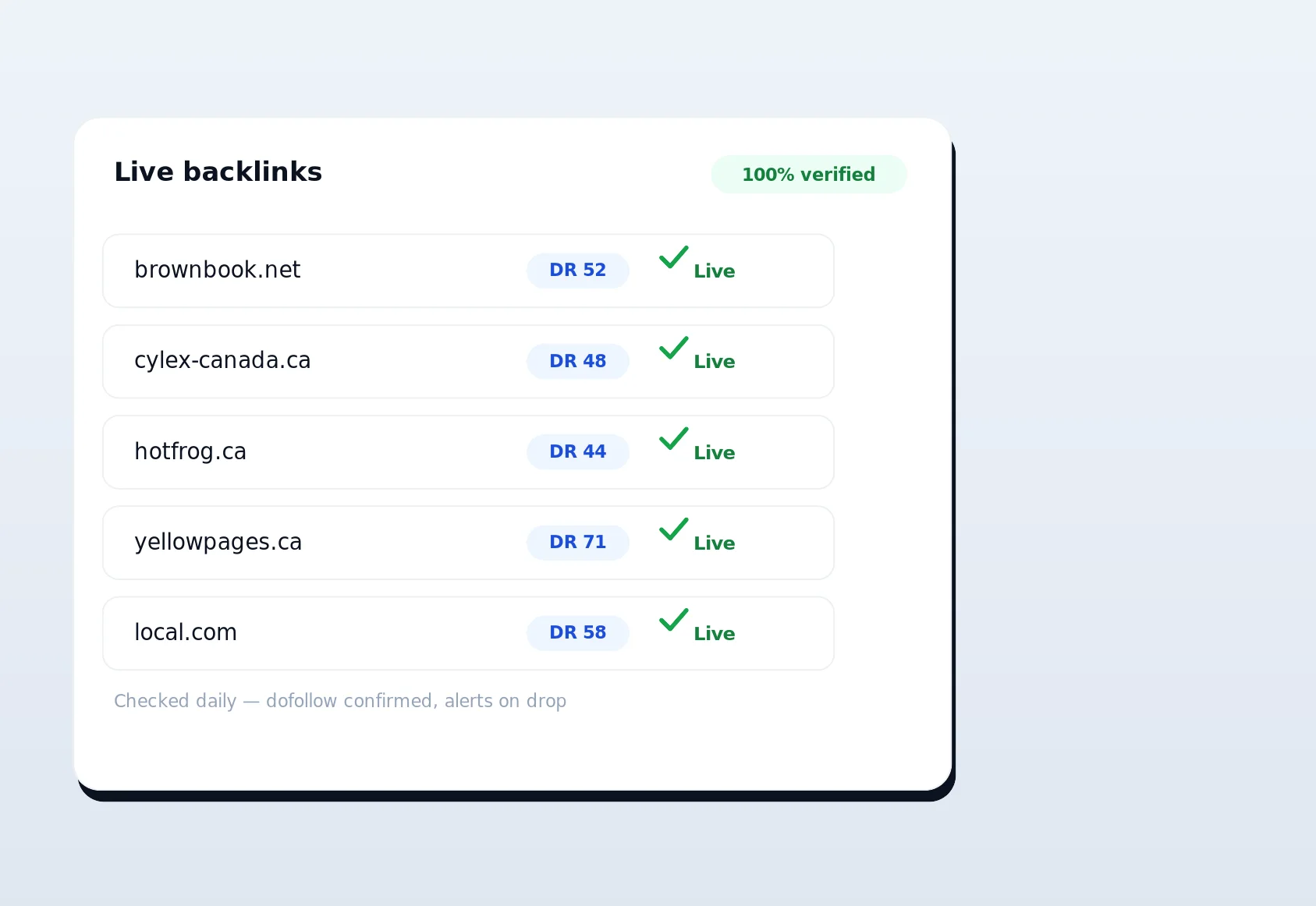
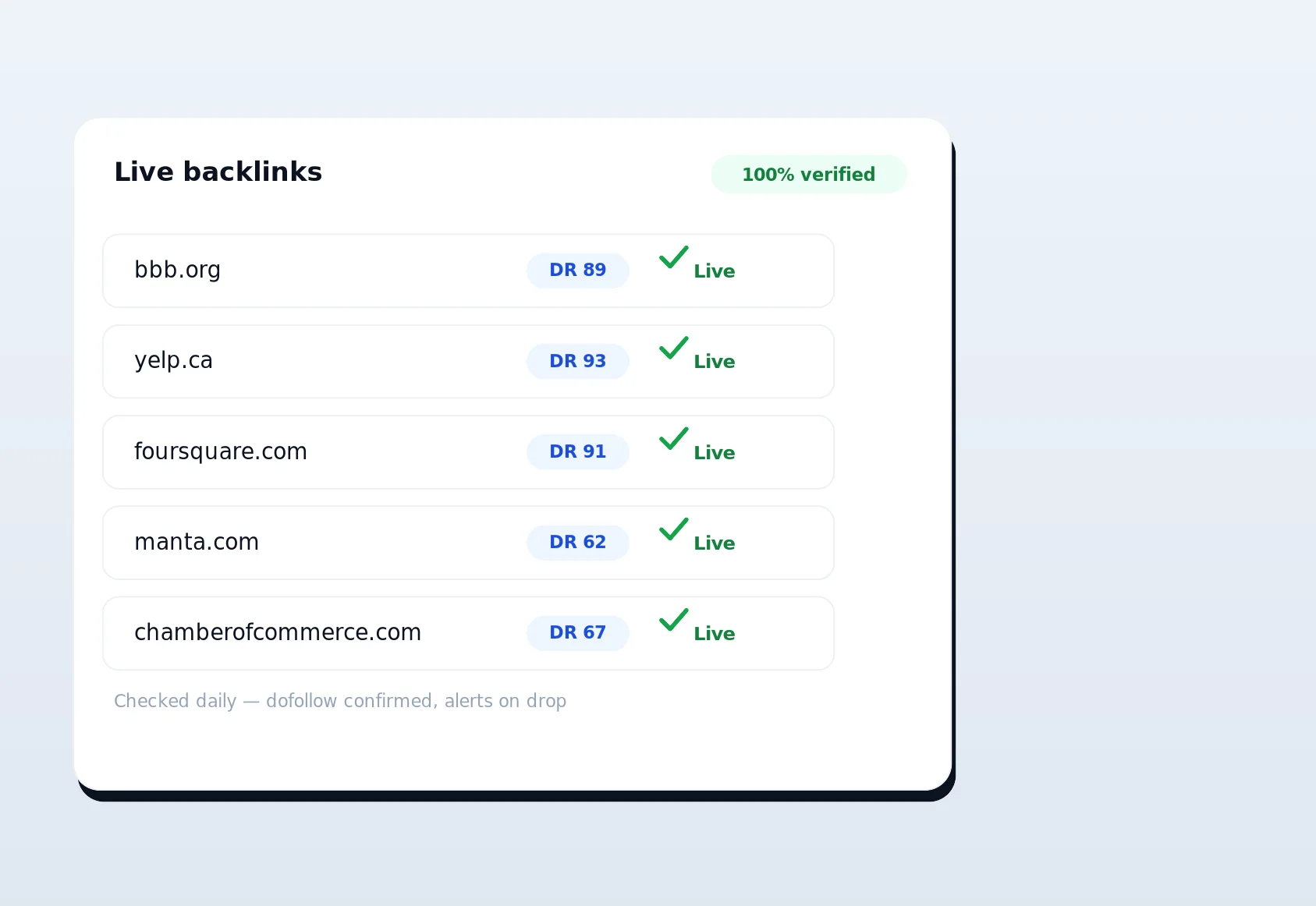
This is where most cheap wire services go dark. LinkSpear crawls for your live placements and confirms them with the same live-link verification engine that powers our backlink tools. You get a real list of URLs where your release landed — not a vague "distributed to 300+ sites" promise — with the anchor text and link status for each.
Step 5: Index and track
Confirmed placements are pushed to search engines through instant indexing so they get crawled quickly, and the pages that link to you are folded into your rank tracking and backlink monitoring. You watch the announcement move from "published" to "indexed" to "contributing to rankings" without leaving the dashboard.
Where It Fits in the Wider LinkSpear Workflow
Press Release Distribution isn't a bolt-on — it's a node in a connected local growth system. The same business record drives everything:
- Lead capture: You scrape and build target lists from OpenStreetMap and YellowPages, then dedupe them into your master catalogue.
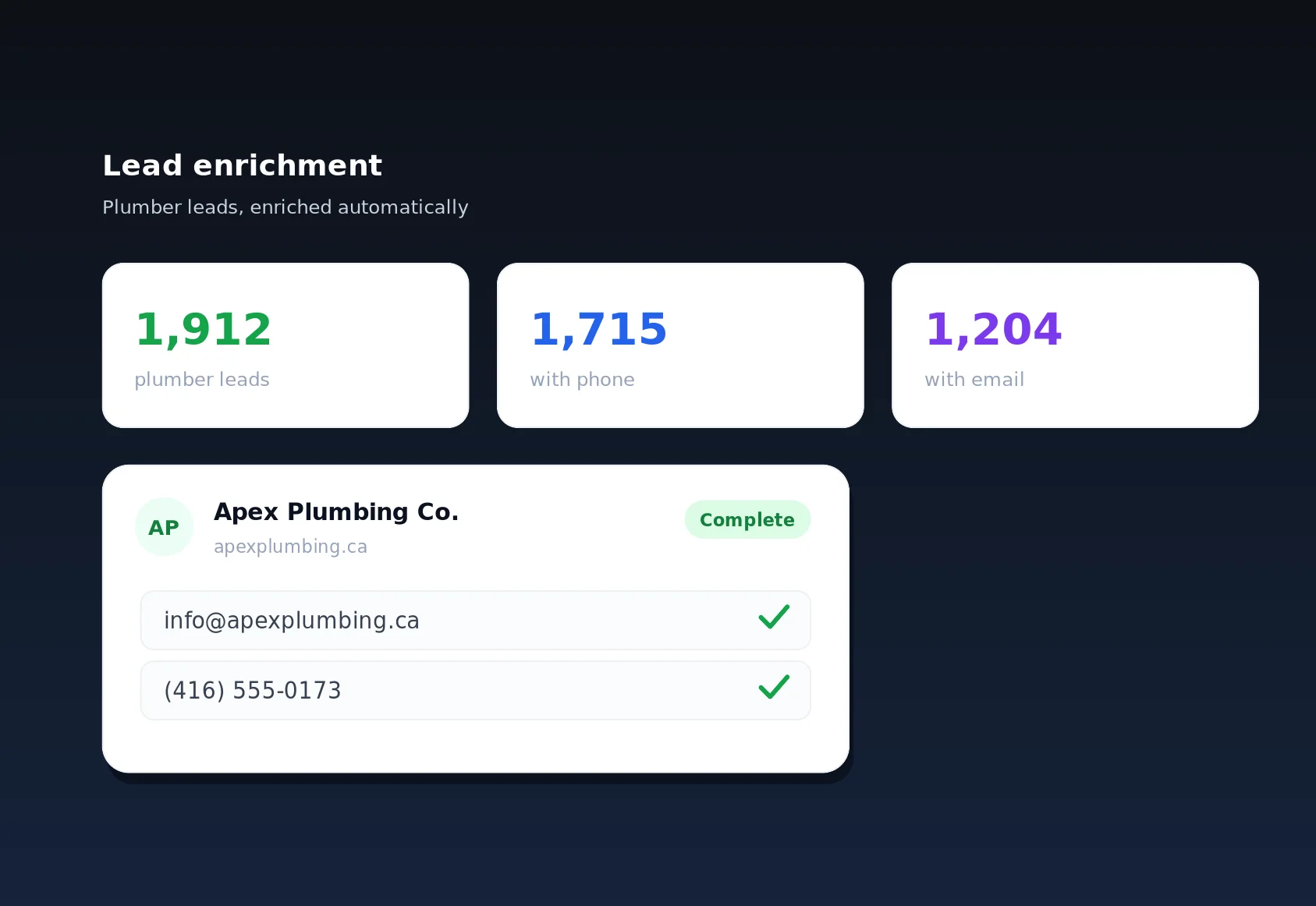
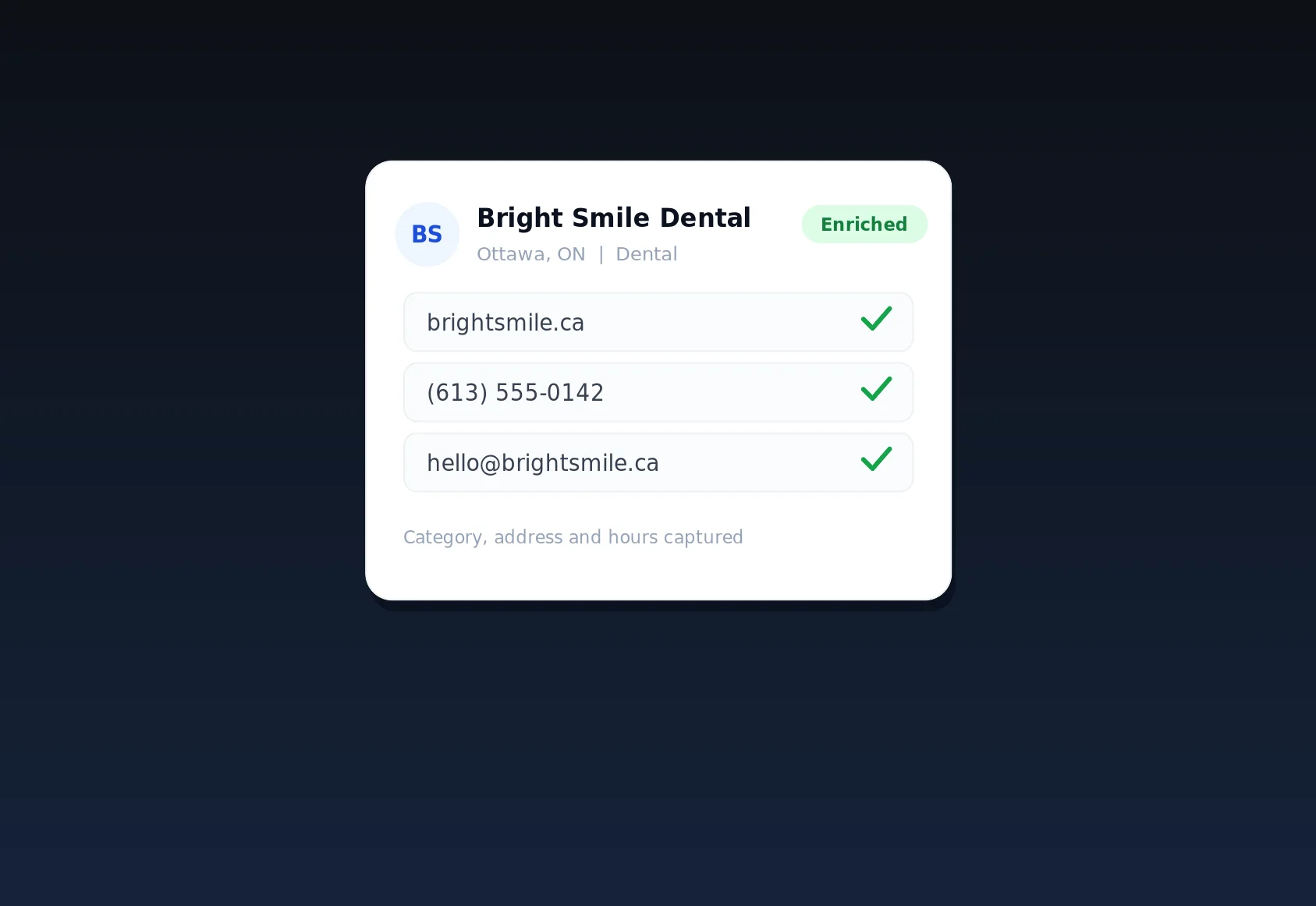
- Enrichment: Lead enrichment visits each business's own website through rotating anonymous proxies to fill in missing emails and phone numbers — so your outreach data is complete before you ever pick up the phone.
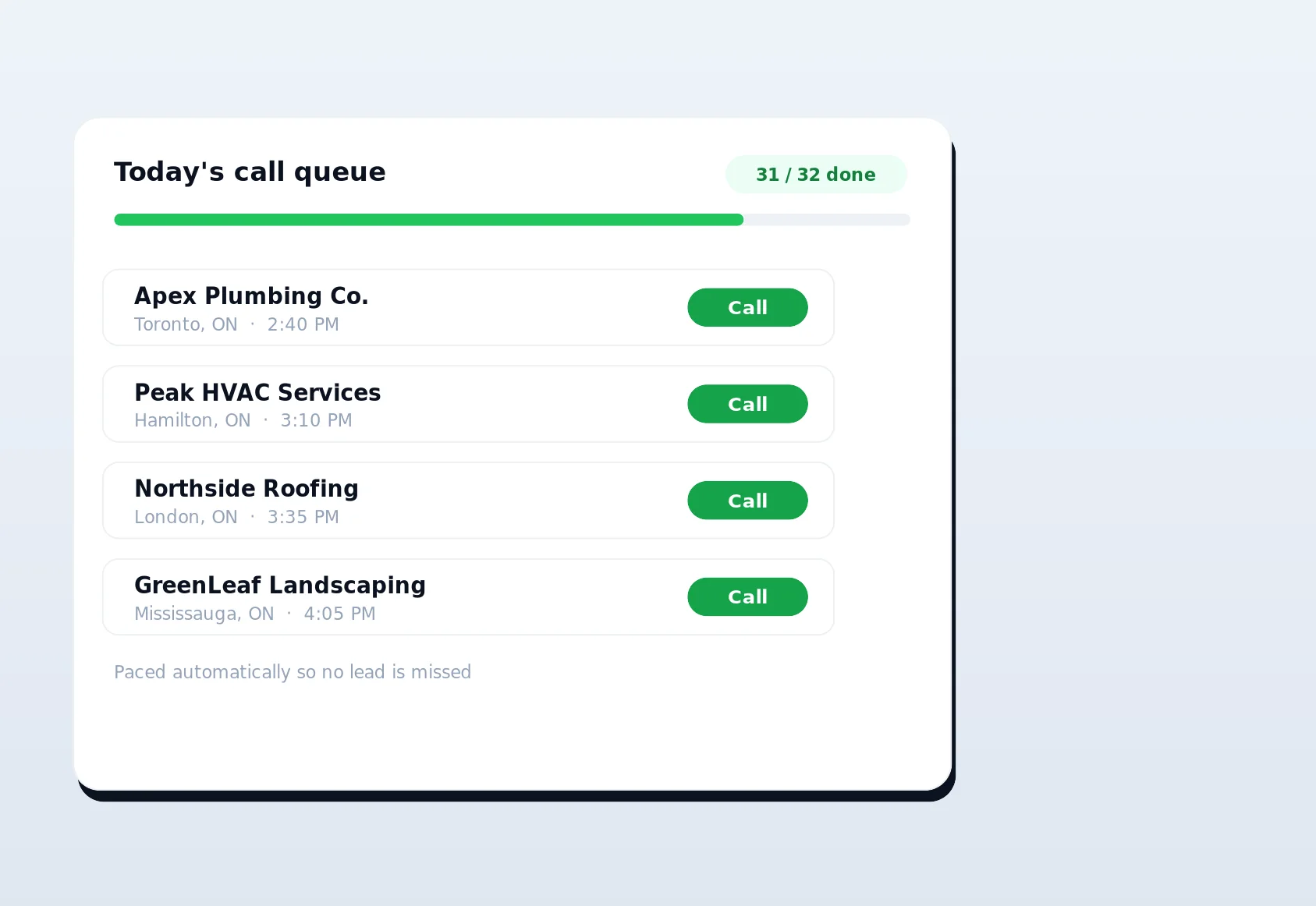
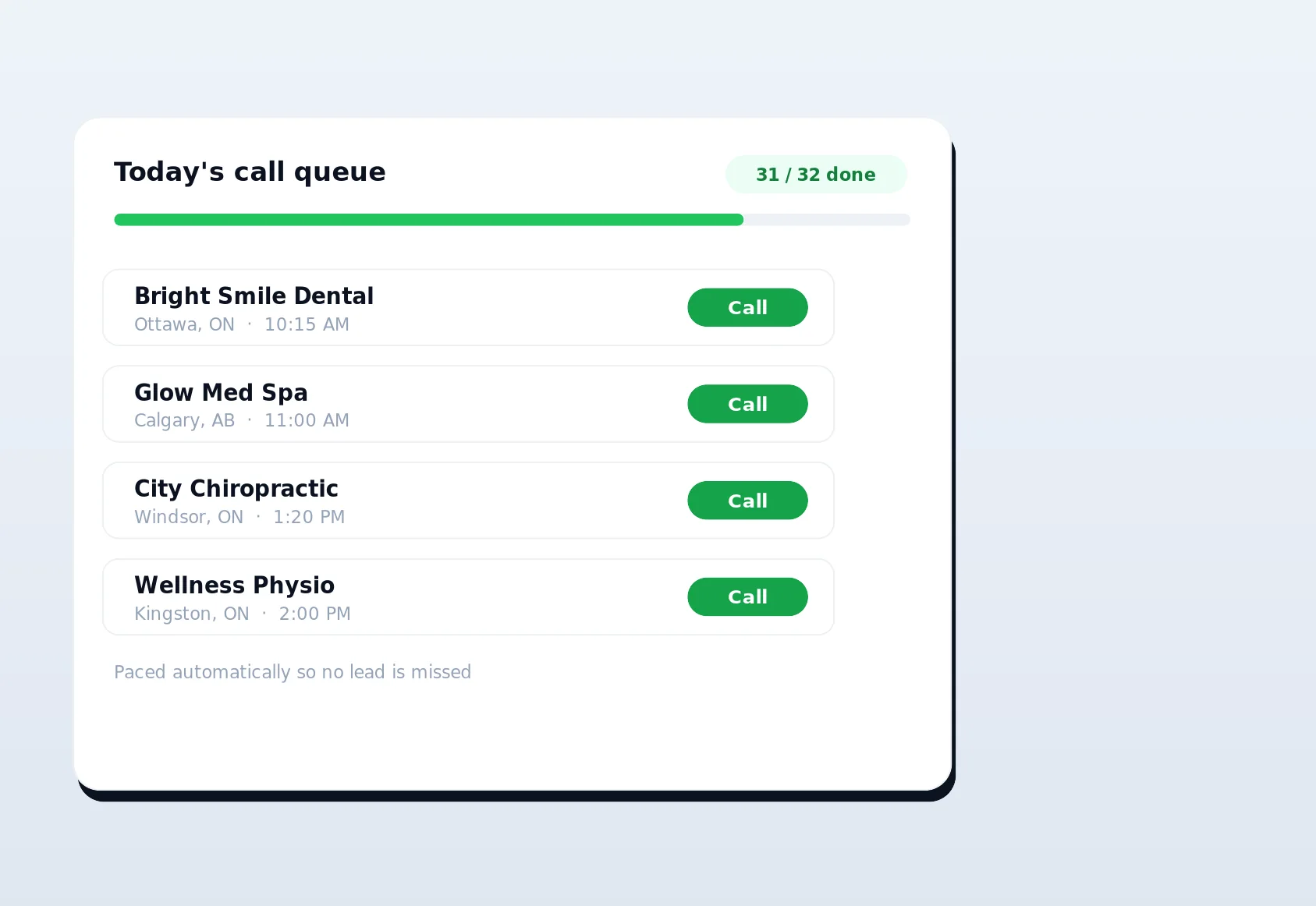
- Outreach: Call queuing hands enriched leads to your reps one at a time, with cooldowns and daily caps, and a fresh press release gives them a genuine reason to call.
- Authority building: Directory submissions and press distribution stack citations and links; rank tracking and competitor backlink analysis show you the gap you're closing.
Because your announcement inherits verified contact data from the same directory that feeds your sales calls, you never end up with a release that lists an old phone number or a defunct address. Consistency is the whole game in local SEO, and a shared source of truth is how LinkSpear enforces it.
Consider how this plays out in practice. A plumbing company scrapes a fresh list of competitors and prospects in a new suburb, enriches those records so every card has a real phone and email, and starts working them through the call queue. In the same week, it distributes a release announcing that it now serves that suburb — with the exact NAP its reps are quoting on the phone. Prospects who look the company up find recent, credible coverage instead of a bare website; search engines pick up a new geographic signal; and the sales team has a natural opener. None of those moving parts had to be reconciled by hand, because they all draw from one business record. That is what "connected" actually buys you.
The Concrete Benefits and Outcomes
Distribution should produce evidence, not vibes. Here's what a properly run press release distribution campaign delivers inside LinkSpear:
- Verified backlinks and mentions from news and syndication domains, each confirmed live with its URL and anchor text.
- Citation consistency that strengthens your map-pack and local-pack presence over time.
- Faster indexing of both the release and the pages it links to, thanks to instant indexing.
- Branded coverage that improves how prospects perceive you when they research your name.
- A reusable content asset you can repurpose into blog posts, social snippets, and email.
- Reporting agencies can hand to clients — a clean list of placements beats a screenshot of a wire receipt.
How It Compares to a Traditional Wire Service
Legacy wire services were built for Fortune 500 investor-relations teams, not a five-truck HVAC shop. The pricing, the reporting, and the workflow all reflect that. Here's how LinkSpear's approach differs.
| Capability | Traditional Wire Service | LinkSpear Press Release Distribution |
|---|---|---|
| Placement proof | "Distributed to 300+ sites" summary | Verified list of live URLs with anchor text and link status |
| NAP consistency | Manual, easy to get wrong | Auto-filled from your master business record |
| Indexing | Left to chance | Pushed via instant indexing |
| Rank impact tracking | Not included | Folded into rank tracking and backlink monitoring |
| Local-SEO focus | Generic, national-first | Built for local citations and map-pack signals |
| Agency multi-client | Separate logins, separate invoices | Sub-accounts under one dashboard |
| Fits a broader workflow | Standalone silo | Connected to enrichment, call queuing, and directory building |
The difference is accountability. A wire service sells you a send; LinkSpear shows you the result and connects it to the rest of your growth engine.
Who It's For
This channel earns its keep for a specific set of users:
- Local service businesses that need consistent citations and credible links to compete in the map pack — contractors, clinics, salons, law and accounting practices, and home-service trades.
- Multi-location brands announcing new locations, service areas, or seasonal offers who need each announcement to reinforce the right NAP.
- Marketing agencies managing many clients who want repeatable, reportable distribution without juggling separate wire accounts.
- Newer businesses with thin brand footprints that need to look established fast when prospects search their name.
If you're already scraping leads, enriching them, and calling through a queue, adding distribution closes the loop: the same businesses you're targeting can find credible coverage when they look you up, and the same authority signals help you outrank the competitor down the street.
Best Practices for Press Release Distribution That Actually Ranks
Distribution amplifies whatever you feed it, so the input matters. A few rules our best-performing users follow:
- Lead with genuine news. A new location, a hire, a partnership, an award, or a community initiative reads as real; "we still offer great service" does not.
- Link to the most relevant page, not just your homepage — a service-area page or a specific offer converts the attention.
- Keep NAP identical everywhere. Let LinkSpear pull it from your directory profile so it never drifts.
- Use natural anchor text. Over-optimized, keyword-stuffed anchors look manipulative and can hurt you.
- Distribute on a cadence. One release a quarter, tied to a real event, beats a burst of thin announcements.
- Follow up. Feed fresh coverage into your call scripts and email so the same news works twice.
Measuring the Return
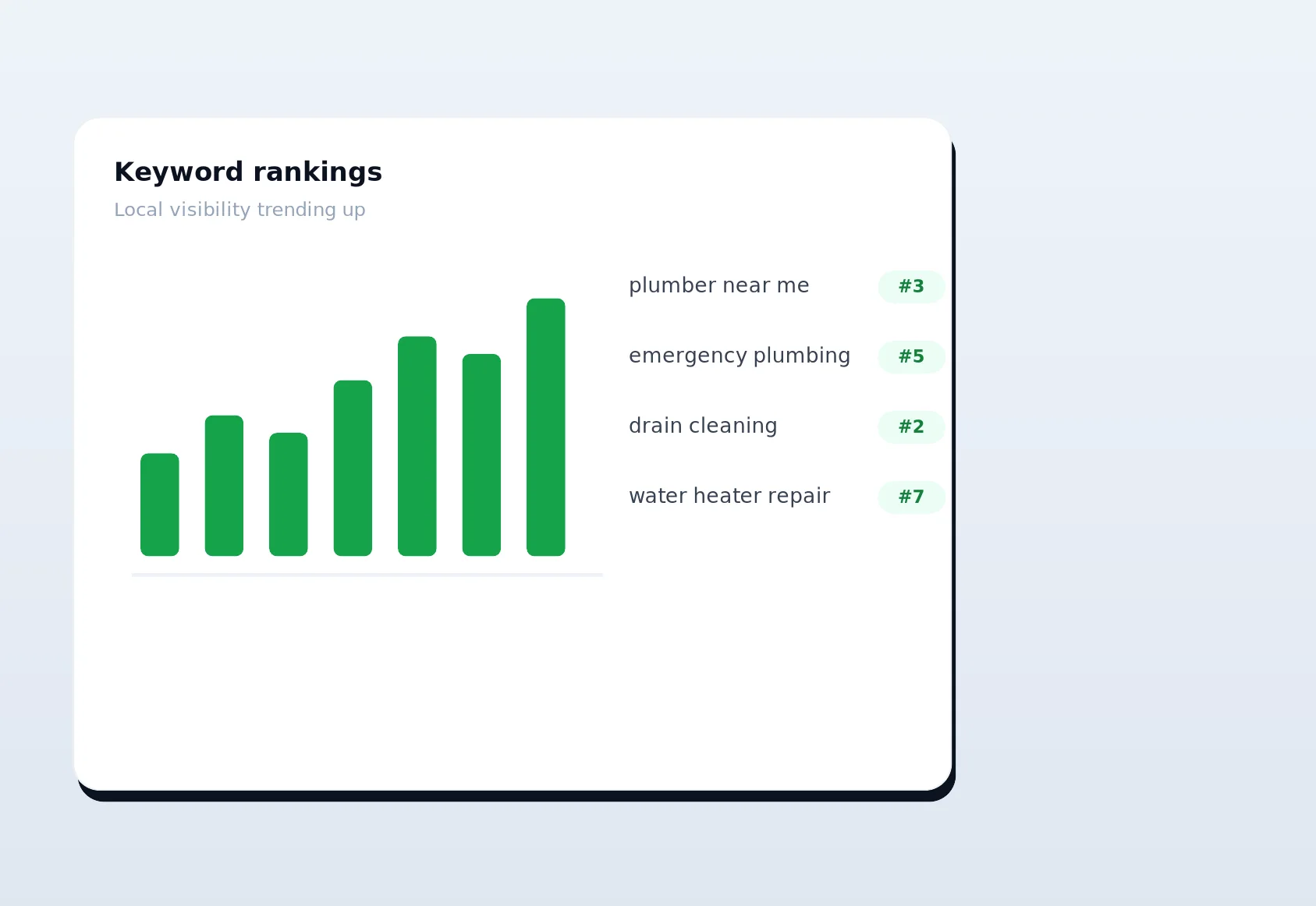
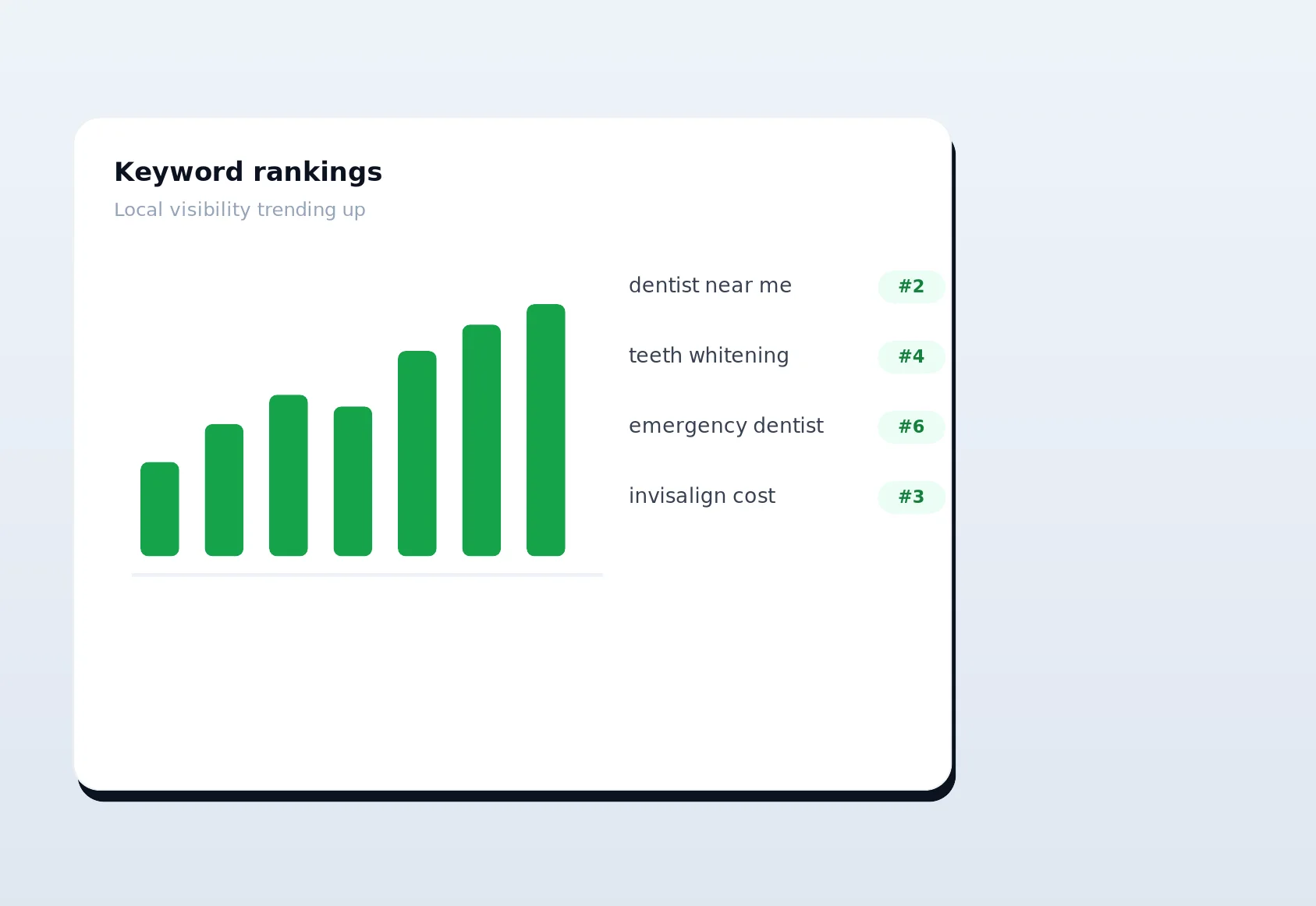
Because every placement is verified and every link is tracked, you can tie distribution to outcomes instead of guessing. Watch for movement in your tracked keywords in the weeks after a release, growth in referring domains inside your backlink monitor, and lift in branded impressions. Pair that with your call-queue conversion data and you get a full-funnel picture: coverage earned, links verified, rankings moved, calls booked. That's the reporting an agency can put in front of a client without flinching, and the proof a small-business owner needs to keep investing in the channel.
A few metrics are worth watching specifically. Referring-domain count is the cleanest early signal — it should tick up within days of a distribution as verified placements land. Indexation lag tells you how fast search engines are actually crawling those pages; with instant indexing feeding them, it should be short. Then there are the lagging indicators that take a few weeks to surface: local-pack position for your priority keywords, branded-search impressions, and ultimately the volume and quality of inbound calls. Because LinkSpear keeps all of these in one place, you can draw a straight line from a specific announcement to the ranking and revenue movement that followed it, rather than crediting distribution on faith. Over several quarters, that feedback loop tells you which angles resonate in your market and which landing pages convert the attention best, so each subsequent release is sharper than the last.
The disavow tool and anchor-text optimization features round out the picture for users who want tight control: if a low-quality syndication ever surfaces, you can review and disavow it, and you can keep your overall anchor-text profile natural across every channel — directory citations, guest placements, and press coverage alike. Distribution, in other words, doesn't live in a vacuum; it's one more input into a link profile you actively manage.
Ready to turn your next announcement into durable local authority? Start a 14-day free trial on the Starter plan — no long-term contract, no wire-service minimums. Draft your first release from a guided template, distribute it across the network, and watch LinkSpear verify every placement and fold it into your rankings. It's the fastest way to see what accountable, local-first press release distribution looks like when it's wired into a real lead-generation and SEO system rather than sold as a standalone silo.