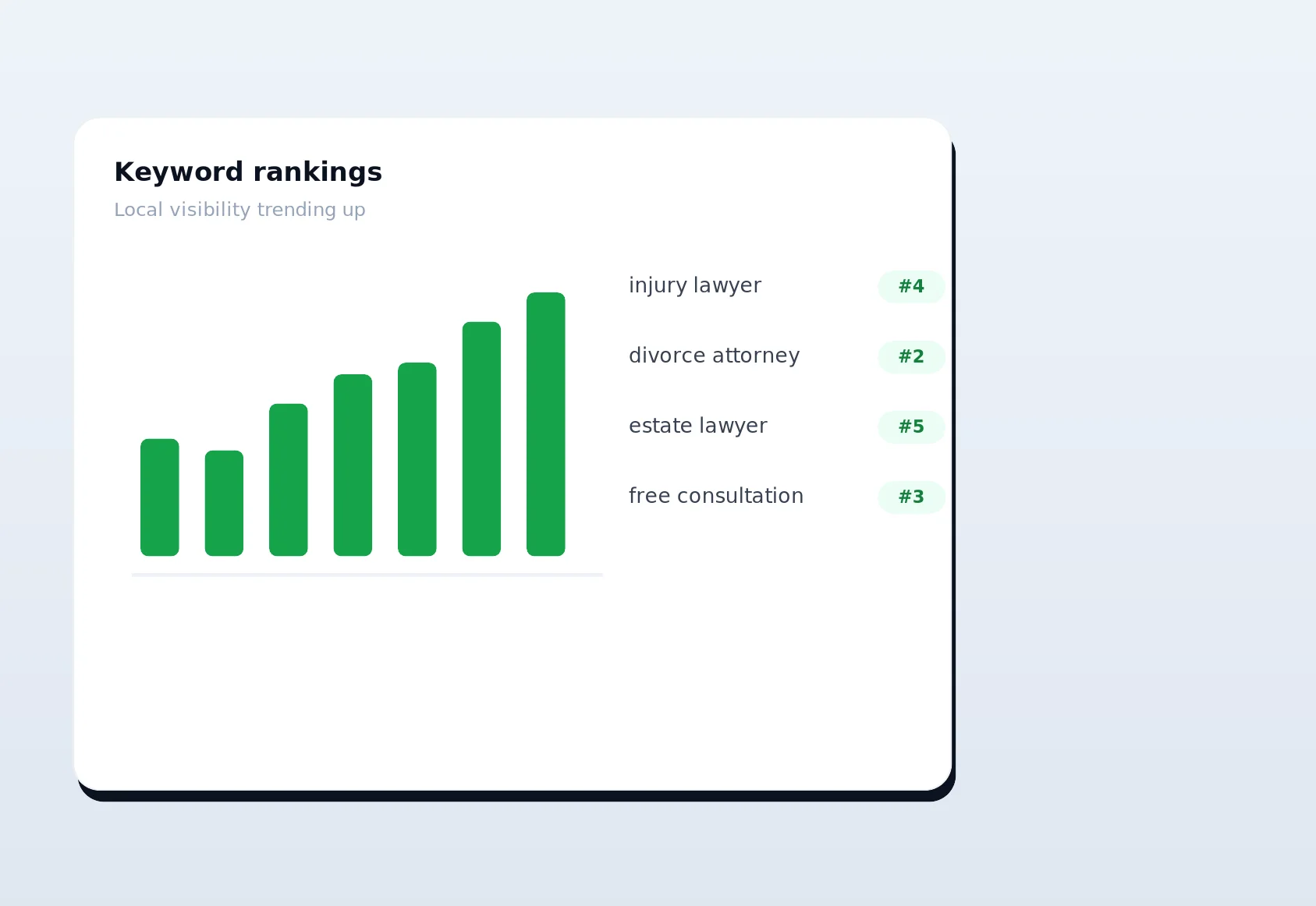
You published a new service page, earned a fresh directory citation, or fixed a title tag that should be pulling more traffic - and then nothing happens. The page sits in limbo for days or weeks while Googlebot gets around to it on its own unpredictable schedule. Instant Google indexing closes that gap. Instead of passively waiting for a crawler to stumble across your URLs, LinkSpear actively notifies search engines the moment a page, edit, or backlink goes live, so your work starts counting toward rankings while it is still fresh. For local businesses and agencies where speed to the local pack is money, that difference is not academic - it is the difference between a page that ranks this month and one that ranks next quarter.
What Instant Google Indexing Actually Means
Indexing is the step where a search engine discovers a URL, crawls its content, and adds it to the index it draws results from. Ranking cannot happen until indexing does. By default, discovery is slow and passive: Google finds pages by following links, re-reading sitemaps on its own cadence, and revisiting sites it already trusts. New or low-authority sites - exactly the profile of most local businesses - sit at the back of that queue.
Instant Google indexing flips the model from passive to active. Rather than hoping a crawler arrives, LinkSpear submits each URL directly to the channels search engines expose for exactly this purpose. That includes Google's Indexing API for eligible content, IndexNow for Bing, Yandex and the growing list of engines that support it, XML sitemap pings, and structured submission signals. The result is a request that says, in effect, "this URL is new or changed - come look now," instead of leaving discovery to chance.
It is worth being precise about what indexing does and does not guarantee. Submitting a URL asks a search engine to crawl it promptly; it does not force the engine to index low-quality, thin, or duplicate pages, and it never guarantees a ranking position. What it reliably removes is the discovery delay - the dead time between publishing and being seen. Everything downstream, from crawl to index to rank, can then happen far sooner.
Why Indexing Speed Matters More for Local SEO
For a national brand with millions of trusted pages, Google crawls constantly and indexing lag is rarely the bottleneck. For a plumber in Calgary or an agency managing forty local clients, the math is completely different. New domains, thin service-area pages, and freshly built citations have little crawl priority, so they can languish unindexed for weeks - and every day unindexed is a day of zero organic visibility.
Local SEO also lives and dies on citations and directory listings. When you build a batch of directory backlinks, those links only pass signal once Google has crawled the page they sit on. If the directory page itself is rarely crawled, your citation is invisible to Google no matter how perfectly it is filled in. Getting those pages - and your own money pages - crawled quickly is what turns link-building effort into actual ranking movement.
- Time-sensitive offers: a seasonal promo or event page is worthless if it indexes after the season ends.
- Fresh citations: new NAP listings and directory submissions need to be crawled to contribute to local ranking signals.
- Content fixes: a corrected title, added schema, or rewritten intro only helps once Google re-reads the page.
- New client sites: agencies onboarding a client want early wins fast, not a month of waiting for baseline discovery.
How Instant Google Indexing Works in LinkSpear
LinkSpear treats indexing as a continuous background service, not a manual chore you remember to do. The moment a page is published, a citation is verified live, or a monitored URL changes, it enters the indexing queue automatically. Here is the flow end to end.
Step 1: URL discovery and change detection
LinkSpear watches the sources that matter - your own sitemap, pages you publish, and the directory submissions produced by the directory backlink builder. When a new URL appears or an existing one changes, it is flagged for submission. You can also paste URLs in manually or bulk-import a list when you want to push a specific batch.
Step 2: Multi-channel submission
Each eligible URL is submitted across every channel that will accept it: Google's Indexing API where the content type qualifies, IndexNow for Bing and partner engines, and sitemap ping endpoints. Submitting to multiple engines at once means a single action gets your page in front of Google, Bing, Yandex and others without you managing separate tools or logins.
Step 3: Live-link and status verification
Before and after submission, LinkSpear checks that the URL actually resolves, returns a healthy 200 status, and is not blocked by a stray noindex tag, a bad canonical, or a robots.txt rule. There is no point begging Google to crawl a page you have accidentally told it to ignore, so these guardrails run automatically and flag conflicts before they waste a submission.
Step 4: Follow-up and re-submission
Submission is a request, not a receipt. LinkSpear re-checks whether each URL has actually been indexed and, if it has not been picked up after a reasonable window, queues a controlled re-submission rather than hammering the API. This retry logic respects each engine's rate limits and daily quotas so your account stays in good standing.
Step 5: Reporting inside the audit log
Every submission, verification, and outcome is recorded in your in-app audit log, so you can see exactly what was submitted, when, to which engines, and whether it landed. No silent failures, no guessing whether the tool did anything - just a clear, timestamped trail you can show a client.
Instant Indexing vs. Waiting for Googlebot
The clearest way to understand the value is to compare the default passive path with an active submission workflow. The table below lays out the practical differences for a typical local page or citation.
| Factor | Waiting for Googlebot | LinkSpear Instant Indexing |
|---|---|---|
| Discovery time | Days to several weeks, unpredictable | Submitted within minutes of publishing |
| New / low-authority sites | Low crawl priority, long delays | Direct submission bypasses the crawl queue |
| Search engines reached | Whatever crawls you organically | Google, Bing, Yandex and IndexNow partners |
| Backlink / citation crawling | Depends on the host page being crawled | Citation URLs pushed for crawl on publish |
| Misconfiguration safety | You find out weeks later it never indexed | Noindex / canonical / robots conflicts flagged first |
| Visibility of results | Manual checks in Search Console | Full audit-log trail of every submission |
| Effort per URL | Manual, per-tool, easy to forget | Automatic, queued, multi-channel |
The point is not that Googlebot is bad at its job - it is that its job is prioritizing billions of URLs, and yours are rarely at the top of that list. Active submission simply moves your pages up the queue.
Concrete Benefits and Outcomes
Faster indexing is a means, not an end. Here is what it actually buys you.
- Rankings start sooner: a page cannot rank until it is indexed, so cutting discovery from weeks to hours pulls forward every downstream ranking gain.
- Link-building pays off faster: the citations and backlinks you build get crawled and counted quickly, so the signal reaches Google instead of sitting dormant.
- Content fixes take effect immediately: re-submit a corrected page and Google re-reads it, so your title, schema, or copy improvements register without a multi-week lag.
- Cleaner data, fewer surprises: pre-submission checks catch noindex and canonical mistakes early, before they quietly cost you an entire indexing cycle.
- Client-ready proof: the audit-log trail lets agencies show clients exactly what was submitted and when, turning an invisible technical task into a reportable deliverable.
- Scale without babysitting: whether it is one URL or a thousand, submission is queued, rate-limited, and automatic, so it works quietly in the background.
Who Instant Indexing Is For
Local businesses building visibility from scratch
If you run a service business - think plumbers, electricians, or a local law firm - your site likely lacks the crawl authority that makes indexing fast by default. Instant indexing gives your new service-area pages and citations the push they need to get seen while they still matter.
Agencies managing many client sites
When you are onboarding clients and shipping pages every week across dozens of domains, manual submission does not scale and forgetting it costs real rankings. LinkSpear's queue handles every client's URLs automatically and logs the proof, so your agency sub-accounts each get first-class indexing without extra work from you.
Anyone running an active link-building or content program
If you are producing citations through the directory backlink builder, publishing content regularly, or optimizing existing pages, indexing speed is the lever that determines how quickly all that effort converts into movement. Instant indexing keeps the feedback loop tight.
How It Fits the Wider LinkSpear Workflow
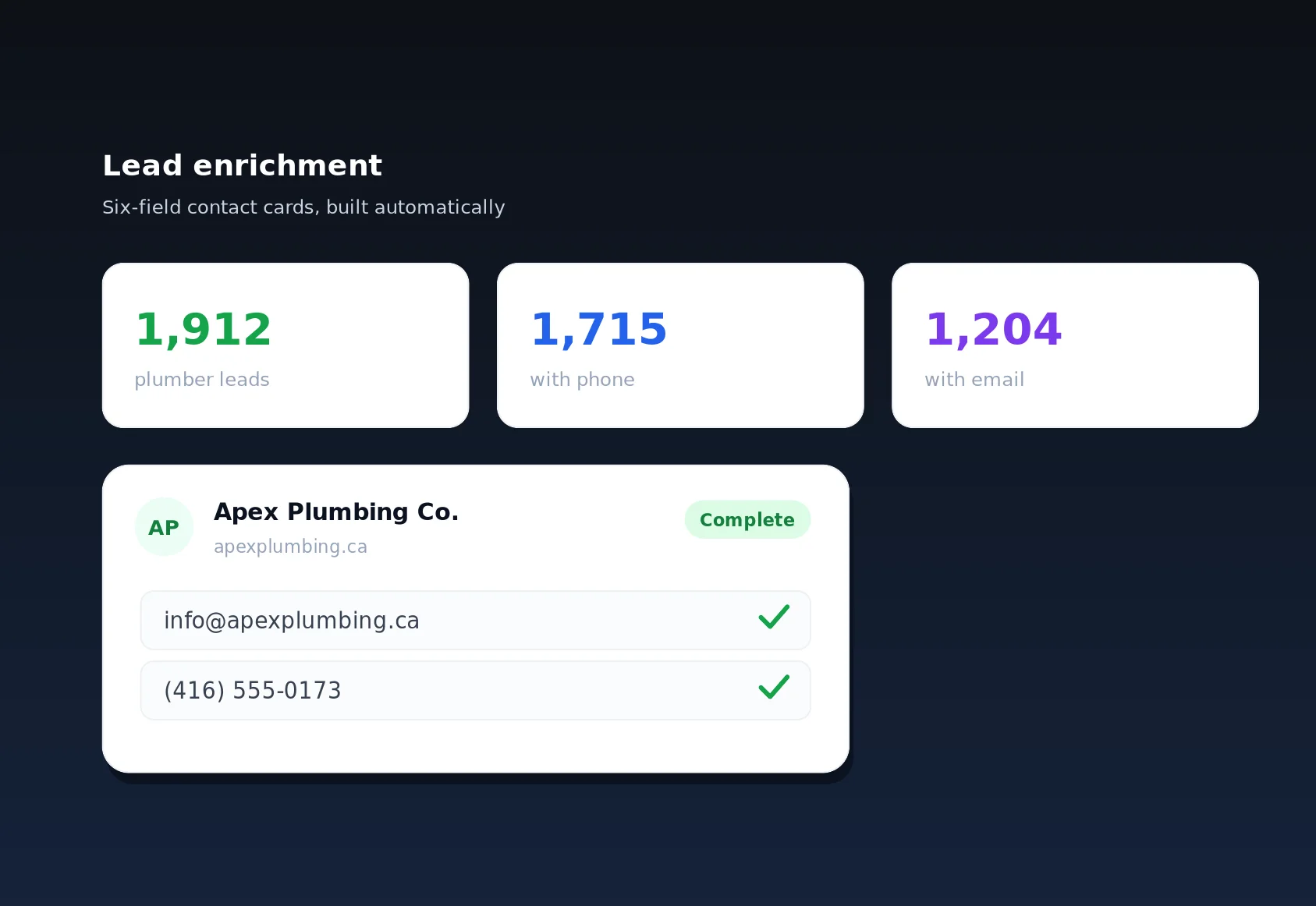
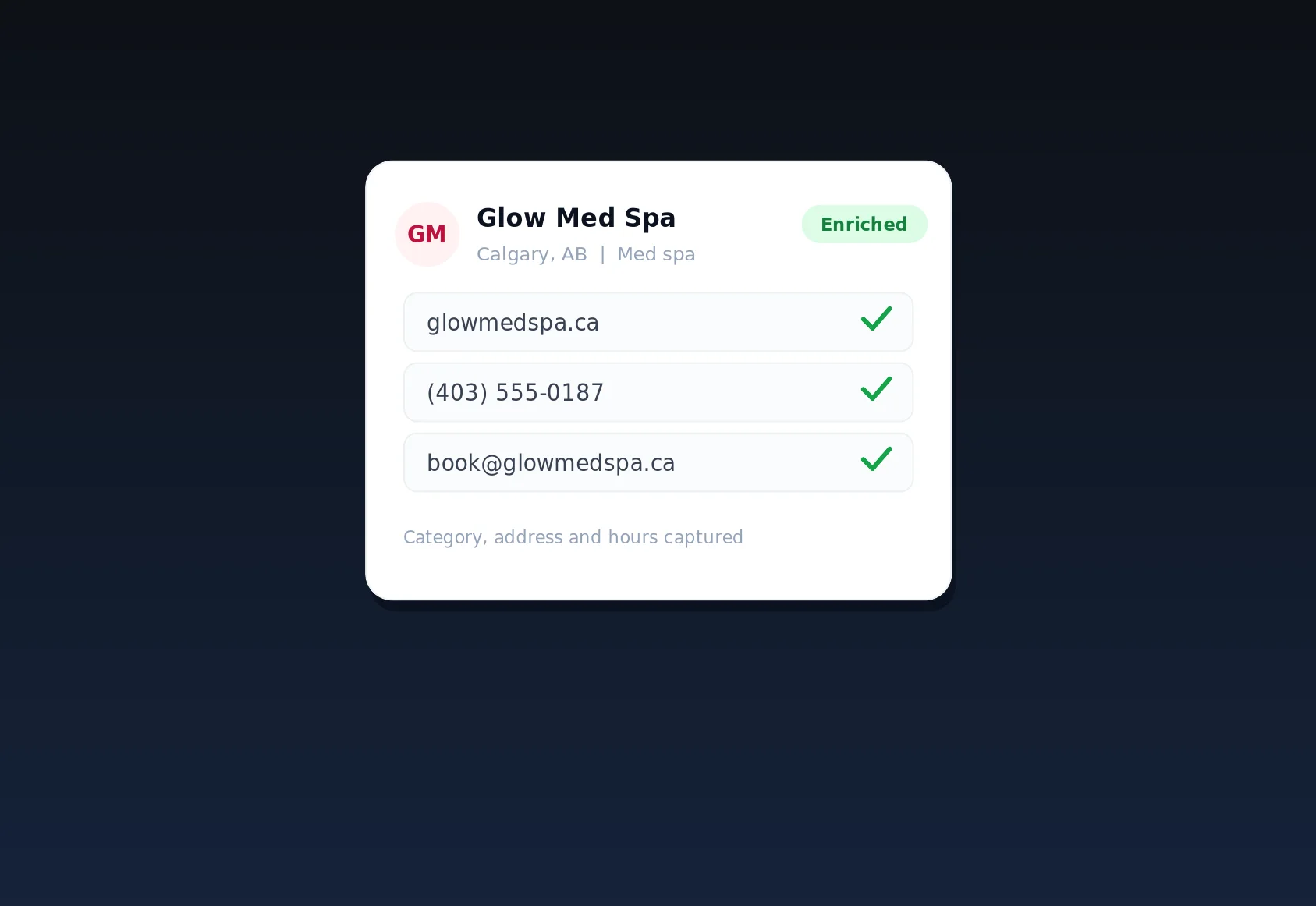
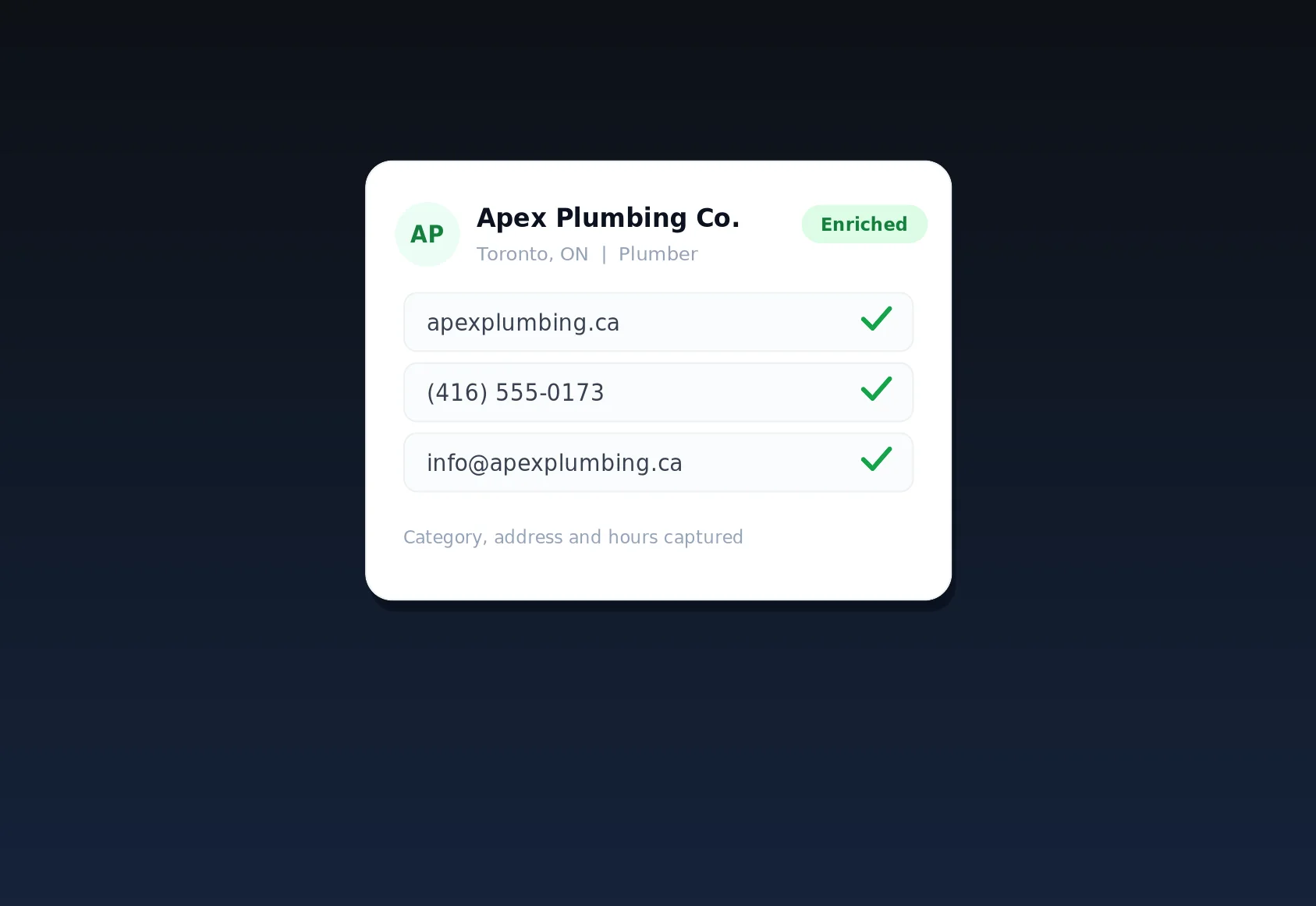
Instant indexing is the final link in a chain that starts with finding leads and ends with ranking for them. In practice, a full LinkSpear cycle looks like this: you pull local businesses into the local business directory, use lead enrichment to fill in missing emails and phones through anonymous rotating proxies, and hand qualified prospects to your reps through call queuing. On the SEO side, you research terms with keyword research, build citations with the directory backlink builder, and watch positions with rank tracking.
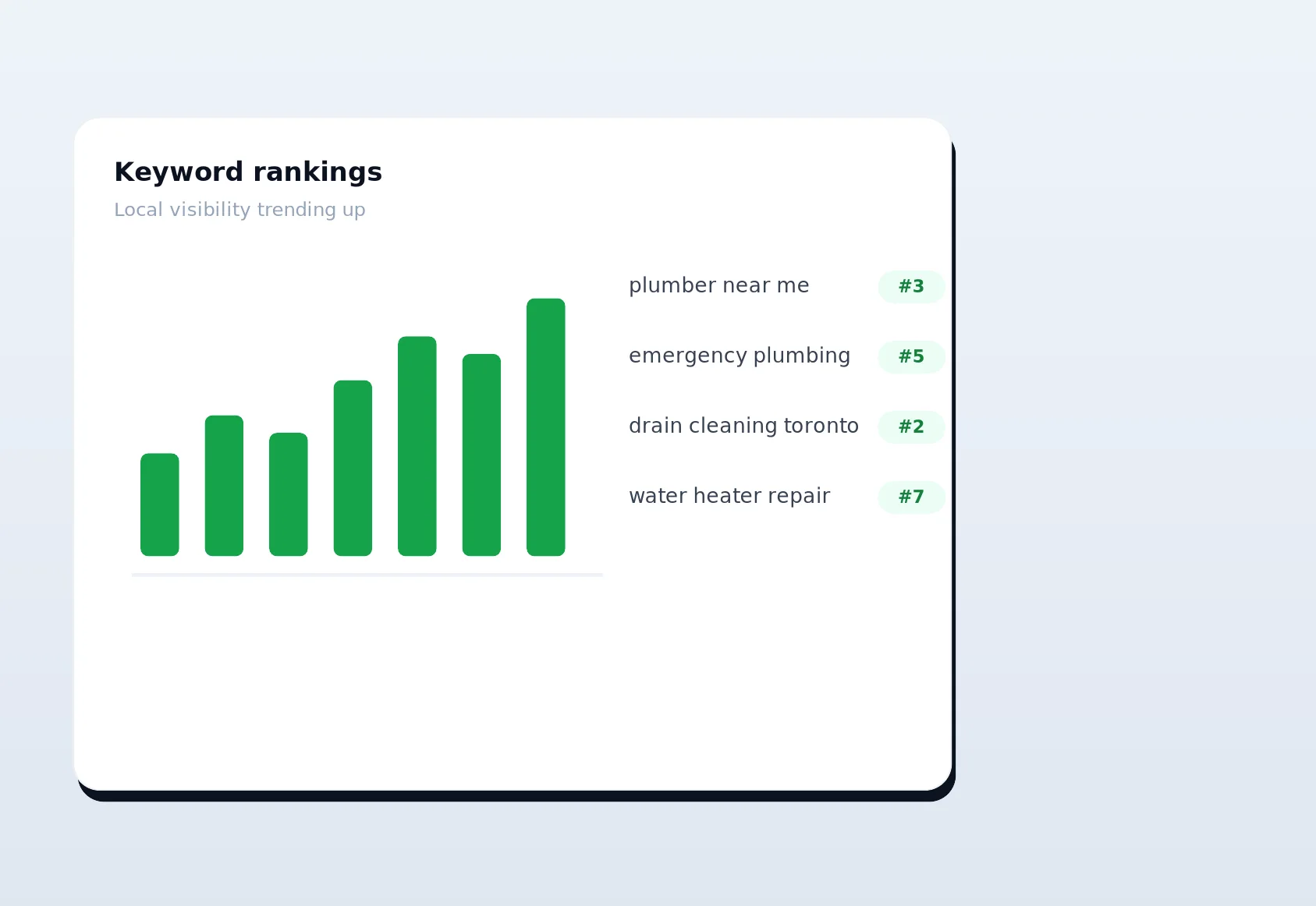
Instant indexing sits between building and measuring. Every citation the backlink builder produces and every page you publish or fix gets pushed for crawl automatically, so rank tracking can actually pick up movement instead of flatlining while pages wait to be discovered. It also pairs naturally with schema markup audit and live-link verification: when you fix structured data or confirm a link is live, re-submitting the URL means the correction registers with Google right away rather than on the crawler's timetable.
Built to Respect the Rules
Aggressive, spammy submission tools get accounts throttled or banned. LinkSpear is deliberately conservative. Submissions respect each engine's documented rate limits and daily quotas, retries are spaced rather than spammed, and the tool never pretends a page is indexed when it is not. The pre-submission guardrails - checking status codes, noindex tags, canonicals and robots rules - exist so you never waste quota on URLs that could not be indexed anyway.
This matters because instant indexing is only valuable if it is sustainable. A tool that gets your API access revoked after a week is worse than no tool at all. LinkSpear is designed to be the indexing layer you can run indefinitely across every client without tripping a single limit.
A Realistic Example: Indexing a Batch of New Service Pages
Imagine an agency onboards a new client - a regional HVAC company expanding into eight new cities. The client wants a dedicated service-area page for each city, plus a round of directory citations to establish local presence. That is eight new pages and, say, sixty fresh citations across popular directories - all published in the same week, all on a domain that has never ranked before.
Under the passive model, that entire batch enters Google's discovery queue at the back of the line. The service pages might get crawled within a week or two if the site is well-linked internally, but the citation pages - hosted on third-party directories Google crawls on its own schedule - could take a month or more to be seen. During that whole window, the client is paying for work that is producing no measurable movement, and the agency has nothing concrete to report.
With LinkSpear's instant indexing running, the picture changes. As each service page publishes, it is verified live and submitted to Google and IndexNow within minutes. As the directory backlink builder confirms each citation is live, that citation URL is pushed for crawl too. Within days, the agency can open the audit log, show the client sixty-eight timestamped submissions, and point to rank tracking already registering early impressions. The same work produces results weeks sooner, and - just as importantly - the agency can prove it happened.
Common Myths About Fast Indexing
Because indexing is invisible and a little mysterious, it attracts a lot of bad advice. It is worth clearing up the biggest misconceptions so you know exactly what to expect.
"Instant indexing forces Google to rank my page."
It does not, and it never will. Indexing and ranking are separate steps. Instant indexing makes discovery and crawling fast; ranking still depends on the quality and relevance of your page and the authority behind it. What it removes is the waiting - not the work of earning a position. Treat it as a way to start the clock sooner, not as a shortcut around good SEO.
"More submissions mean faster indexing."
Spamming the same URL repeatedly does not help and can hurt. Search engines cap how many submissions they accept and how often, and abusing those limits gets access throttled. LinkSpear submits once, verifies, and re-submits only on a sensible schedule if a URL has genuinely not been picked up. Restraint is a feature here, not a limitation.
"If I have a sitemap, I do not need this."
A sitemap is a passive list Google reads whenever it chooses. Instant indexing is an active nudge that says come now. The two complement each other: LinkSpear keeps pinging your sitemap while also submitting individual URLs through the Indexing API and IndexNow, so you get the coverage of a sitemap plus the speed of direct submission.
"Only big sites benefit from indexing tools."
The opposite is true. Large, authoritative sites already get crawled constantly, so indexing lag is rarely their bottleneck. It is the new domains and low-authority local sites - the ones with the least crawl priority - that gain the most from active submission. If you are a small business or an agency serving them, this is aimed squarely at you.
Getting Started
Setting up instant indexing takes minutes. Connect your site, confirm your sitemap, and authorize the indexing channels you want to use. From there, publishing a page, building a citation, or fixing a title tag automatically feeds the indexing queue - there is nothing to remember and no per-URL busywork. You watch the audit log fill with submissions and, shortly after, your Search Console coverage report catch up.
If you are tired of watching new pages and hard-won citations sit unseen while competitors get crawled first, this is the fix. Instant Google indexing turns the slowest, most passive part of SEO into something fast and dependable - and it is included in the same platform that finds your leads, enriches them, builds your citations, and tracks your rankings. Start your 14-day free trial on the Starter plan today, publish something new, and watch how quickly Google shows up when you actually invite it.