Link velocity control is the practice of governing how fast new backlinks point at your site over time, so the pace looks like something a real business earned rather than something bought in bulk overnight. It is the missing dial on most link-building operations: teams obsess over which directories to submit to and what anchor text to use, then dump forty citations in a single afternoon and wonder why the page never climbs. LinkSpear treats velocity as a first-class control, metering your backlink building automatically per page, per client and per campaign so growth stays aggressive where it is safe and patient where it is not.
This page explains what link velocity control is, why an unnatural spike quietly caps your rankings, and exactly how LinkSpear paces submissions inside the workflow you already use for automated directory backlink building and anchor text optimization. You will see the step-by-step mechanics, a side-by-side comparison against building by hand, and a clear picture of who benefits most.
What Link Velocity Actually Means
Backlink velocity is simply the rate at which a page or domain acquires (or loses) links across a given window — new referring domains this week, this month, this quarter. Search engines have watched billions of link graphs form naturally, and they have a strong intuition for what organic growth curves look like. A local plumber who lands one or two citations a week, occasionally spikes when a supplier features them, then settles back down, traces a believable curve. A brand-new service page that suddenly attracts sixty links in seventy-two hours — all from directories, all with commercial anchors — traces a curve that has never once occurred by accident in the history of the web.
The nuance most guides miss is that velocity is read relative to context. Sixty new links in a week is a screaming red flag for a three-page site with no history. For an established brand that regularly earns coverage, the same sixty links might be a Tuesday. Link velocity control is therefore not about one universal speed limit — it is about matching your acquisition rate to what is credible for this site, at this stage of its life, on this specific page.
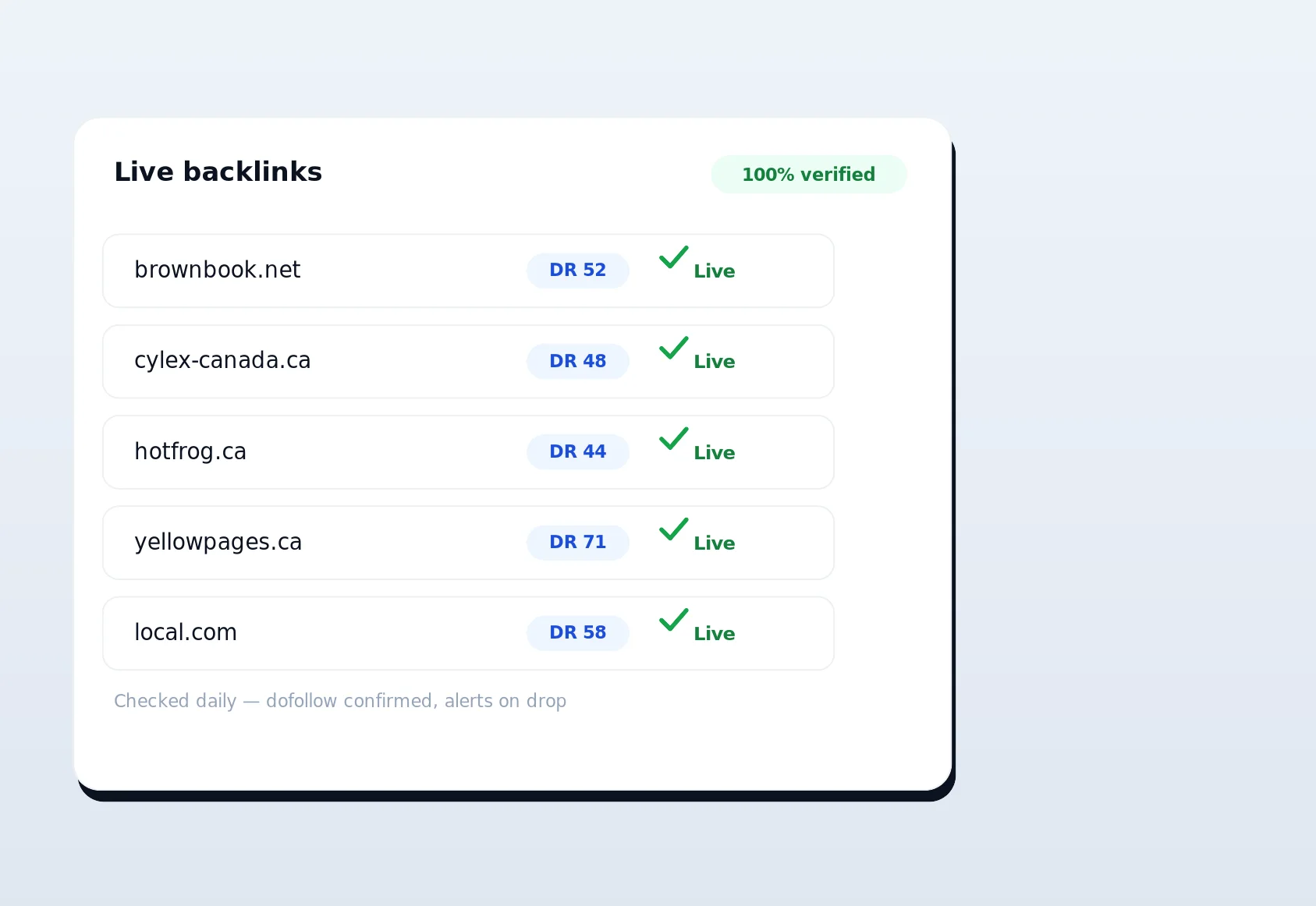
There is a second dimension people forget: link velocity is not only about additions. When a batch of links you built disappears at once — a directory purges its listings, a cheap network goes offline — that sudden drop is itself an unnatural signal. Healthy profiles gain steadily and lose slowly. LinkSpear watches both directions, pairing its pacing engine with live-link verification so it notices not just how fast you build, but how well your links survive.
Why an Unnatural Velocity Spike Hurts You
The instinct behind velocity abuse is understandable. You have a page you want to rank, link building feels like the lever, so you pull it as hard as you can. The problem is that search engines interpret a sharp, isolated spike of low-quality links as the fingerprint of manipulation — because that is almost always what it is. The damage rarely arrives as a dramatic manual penalty with a notification in your inbox. Far more often it is silent algorithmic distrust: the new links simply do not count, and the page you tried to boost stalls exactly where it was.
That silence is what makes poor backlink velocity so insidious. There is no error message, no red banner, just a flat ranking line that refuses to move no matter how many more links you throw at it. Teams often respond by building even faster, deepening the exact pattern that triggered the distrust in the first place. Good link velocity control breaks that doom loop by making the safe pace the default, so you never accidentally cross the line that quietly switches your links off.
It is worth being precise about the mechanism, because myths abound. There is no secret universal number of links per day that flips a penalty switch. What search engines evaluate is the shape of your growth: its consistency, its relationship to your site's authority and age, the quality and diversity of the sources, and whether additions are matched by the kind of ongoing mentions a genuinely popular business accrues. LinkSpear's job is to keep that shape believable, so your link building compounds instead of tripping an invisible wire.

How Link Velocity Control Works in LinkSpear
Velocity control is woven into the submission pipeline rather than bolted on top of it. You still choose the directories and the campaigns; LinkSpear decides the cadence at which they actually go out. Here is the end-to-end flow.
Step 1 — Establish a baseline for the site
LinkSpear pulls your existing link profile from its backlink index and reads your domain's age, authority signals and current acquisition trend. A brand-new domain with a thin profile gets a conservative starting cap; an established site with a history of steady growth gets a higher ceiling. This baseline is what every later pacing decision is measured against.
Step 2 — Set a per-page velocity budget
Not every page can absorb links at the same rate. Your homepage tolerates a very different pace than a two-week-old service page. LinkSpear assigns each target URL its own velocity budget — a safe number of new links per rolling window — so a fragile new money page is protected while your resilient pages keep growing at full tilt.
Step 3 — Meter the submission queue
When you queue a batch of directory submissions, LinkSpear does not fire them all at once. It releases them over time, spreading placements across days and weeks to trace a smooth, believable curve. The Chrome extension auto-fill then completes each submission using your real browser and real IP, so the links land with no automation footprint — paced by the server, placed by you.
Step 4 — Add natural jitter and quiet days
Real link acquisition is lumpy, not robotic. Exactly five links every single day is itself a machine-like pattern. LinkSpear randomizes daily volume within your budget, weaves in quiet days, and clusters the occasional small burst, so the curve has the organic texture of genuine growth rather than the metronome regularity of a script.
Step 5 — Coordinate with anchor text and diversity
Velocity never runs in isolation. The pacing engine hands off to anchor text optimization so that the links released in any window also carry a natural mix of branded, naked-URL and generic anchors. Building slowly with ten identical exact-match anchors would still look engineered; LinkSpear varies pace and phrasing together.
Step 6 — Monitor, verify and adapt
As links go live, live-link verification confirms they stuck and flags any that vanish, while rank tracking shows whether the paced campaign is moving positions. If a directory batch drops off or rankings dip, LinkSpear adjusts the ongoing cadence and surfaces the change in your audit log, so pacing decisions are always visible and never silent.
How Many Backlinks Per Month Is Safe?
This is the question every team eventually asks, and the honest answer is: it depends on your site, which is precisely why a fixed rule fails. A brand-new local business site might safely absorb only a handful of new referring domains per week before growth starts to look manufactured. An established domain with hundreds of existing links and a track record of steady acquisition can comfortably take on many times that without raising an eyebrow. The safe number is a moving target that scales with authority, age and existing trajectory.
Rather than hand you a misleading magic number, LinkSpear computes a personalized safe pace from your actual profile and updates it as your site grows. Early on, it keeps you deliberately patient; as your authority and link history build, it raises the ceiling so you are never leaving safe growth on the table. The result is a natural link velocity that starts cautious and accelerates as you earn the right to move faster — which is exactly how real, durable link profiles develop.
Consider a concrete example. Suppose you launch a new landing page for an HVAC contractor and queue thirty directory citations. Dumped in one day, that batch reads as manipulation and likely gets discounted. Released by LinkSpear's pacing engine, those same thirty links might roll out over five to six weeks — a few per week, jittered across quiet and busy days, anchored with a natural spread of phrasing. Same links, same directories, same effort from you. One version trips the wire; the other traces a curve indistinguishable from organic growth. That gap is the entire value of link velocity control.
Link Velocity Control vs Building by Hand
Plenty of teams try to manage pace manually — a note in a calendar, a mental rule to "space things out." It falls apart the moment you run more than one page or more than one client. The table below shows where dedicated pacing pulls ahead.
| Capability | Manual pacing | LinkSpear link velocity control |
|---|---|---|
| Safe pace per site | Guesswork, one blunt rule | Computed from age, authority and trend |
| Per-page budgets | Rarely tracked | Every URL gets its own velocity budget |
| Spreading submissions | Manual, easy to forget | Queue auto-released over days and weeks |
| Natural jitter | Robotic if scheduled by hand | Randomized volume, quiet days, small bursts |
| Drop / loss detection | Effectively invisible | Live-link verification catches vanishing links |
| Anchor coordination | Separate, disconnected step | Pace and anchor mix tuned together |
| Multi-client scale | One calendar per client, chaos | Agency sub-accounts, unified pacing view |
| Auditability | Lives in someone's head | Every pacing decision logged in the audit log |
The difference is not merely convenience. Manual pacing degrades exactly when you scale, which is the moment safe velocity matters most.
Concrete Benefits and Outcomes
Like most risk controls, the biggest win from link velocity control is often a problem that never happens — a page that climbs steadily instead of mysteriously stalling. But there are tangible outcomes you can point to:
- Links that actually count: a natural growth curve keeps search engines trusting your new backlinks, so link-building effort converts into rankings instead of being quietly discounted.
- No wasted batches: instead of a spike that gets ignored, every citation lands inside a believable curve and pulls its weight.
- Protected new pages: fragile, freshly launched money pages get a conservative pace automatically, shielding them during their most vulnerable stage.
- Faster where it is safe: established pages are allowed to grow at full speed rather than being throttled by one over-cautious sitewide rule.
- Set-and-forget scheduling: queue a campaign and walk away; the pacing engine spreads it out so you are not manually drip-feeding submissions.
- Defensible reporting: agencies can show clients a smooth, healthy velocity chart as proof the link building is sound and durable.
Who Link Velocity Control Is For
This capability earns its place for anyone whose rankings depend on a link profile they are actively growing.
Marketing agencies
Running link building for dozens of local clients by hand means dozens of pacing calendars, and no human keeps them all straight. Agency sub-accounts give each client its own velocity baseline and audit trail, so a junior team member can queue an aggressive campaign without accidentally spiking a fragile account into distrust.
Local service businesses
Trades and service providers — plumbers, HVAC contractors, electricians, law firms — compete on a handful of high-value local terms, and those pages are the most tempting to over-build in a rush. Link velocity control lets them push hard on citations while keeping the pace believable for a small local site.
In-house SEOs and consultants
If you own the rankings, you need pacing that runs itself between check-ins and reports what it did. LinkSpear replaces a spreadsheet, a calendar and a lot of nervous guessing with one engine that meters velocity, coordinates anchors and logs every decision — so when leadership asks why a page is safe to push, you have a chart, not a shrug.
Sites recovering from a velocity spike
Some teams arrive after the damage is done — a page that got hit with a rushed batch of links and has refused to move since. This is the classic signature of a velocity spike, and it is recoverable. LinkSpear reads the existing curve, slows new acquisition to a natural trickle, and rebuilds credibility over time so the profile heals into a believable shape rather than doubling down on the pattern that caused the stall.
How It Fits the Wider LinkSpear Workflow
Link velocity control is not a standalone gadget — it sits in the middle of the loop that runs from finding a business to ranking it. It starts with the same backlink data that powers competitor backlink analysis, so pacing decisions are grounded in a real view of your profile and your competitors', not a partial export. It governs the cadence of the directory backlink builder, so the Chrome extension places links using your real browser and real IP at a pace the server has already vetted as safe. It coordinates with anchor text optimization so pace and phrasing stay natural together, leans on live-link verification to confirm links survive, and reports every pacing move through the audit log you already trust for cost and error alerts.
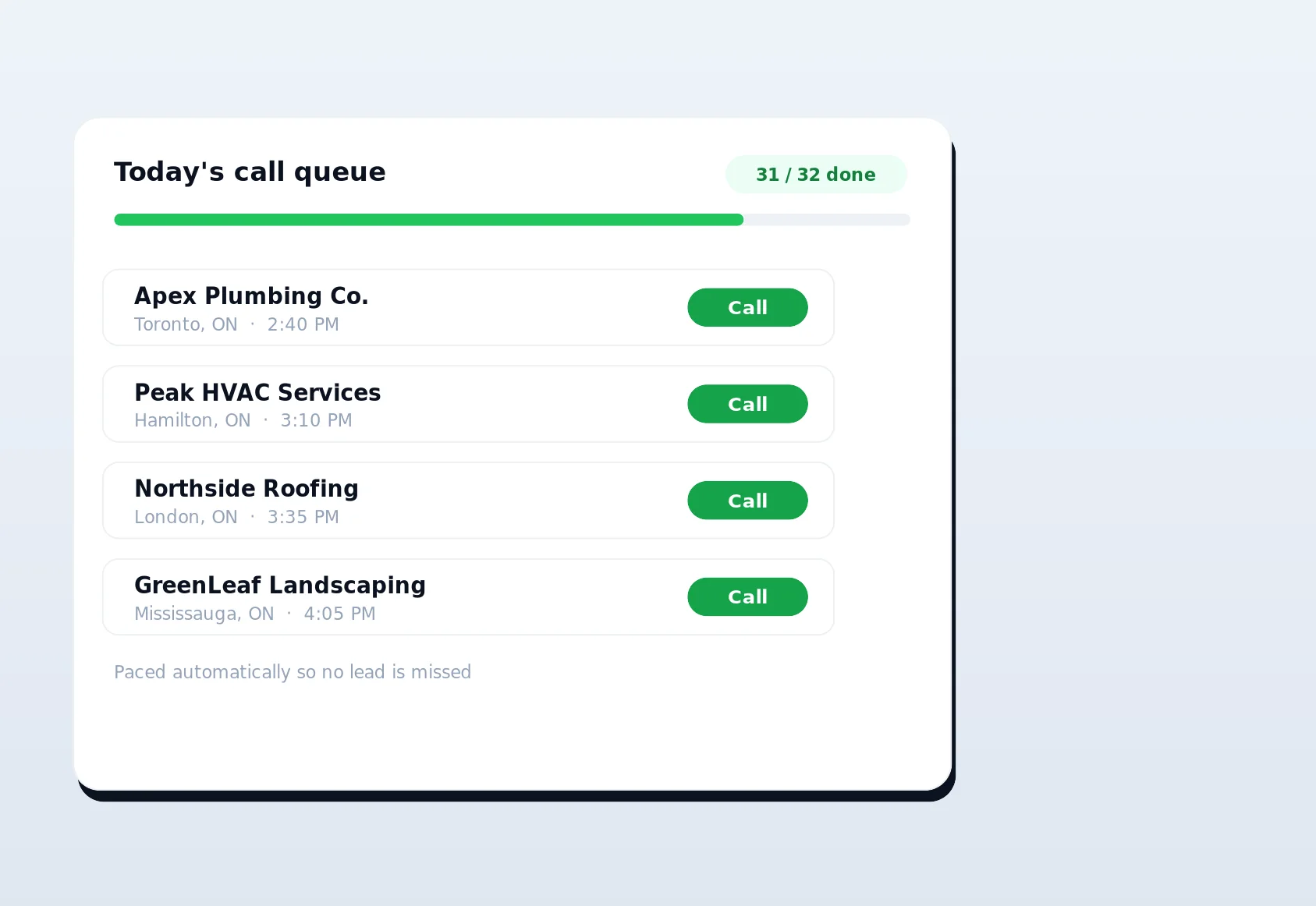
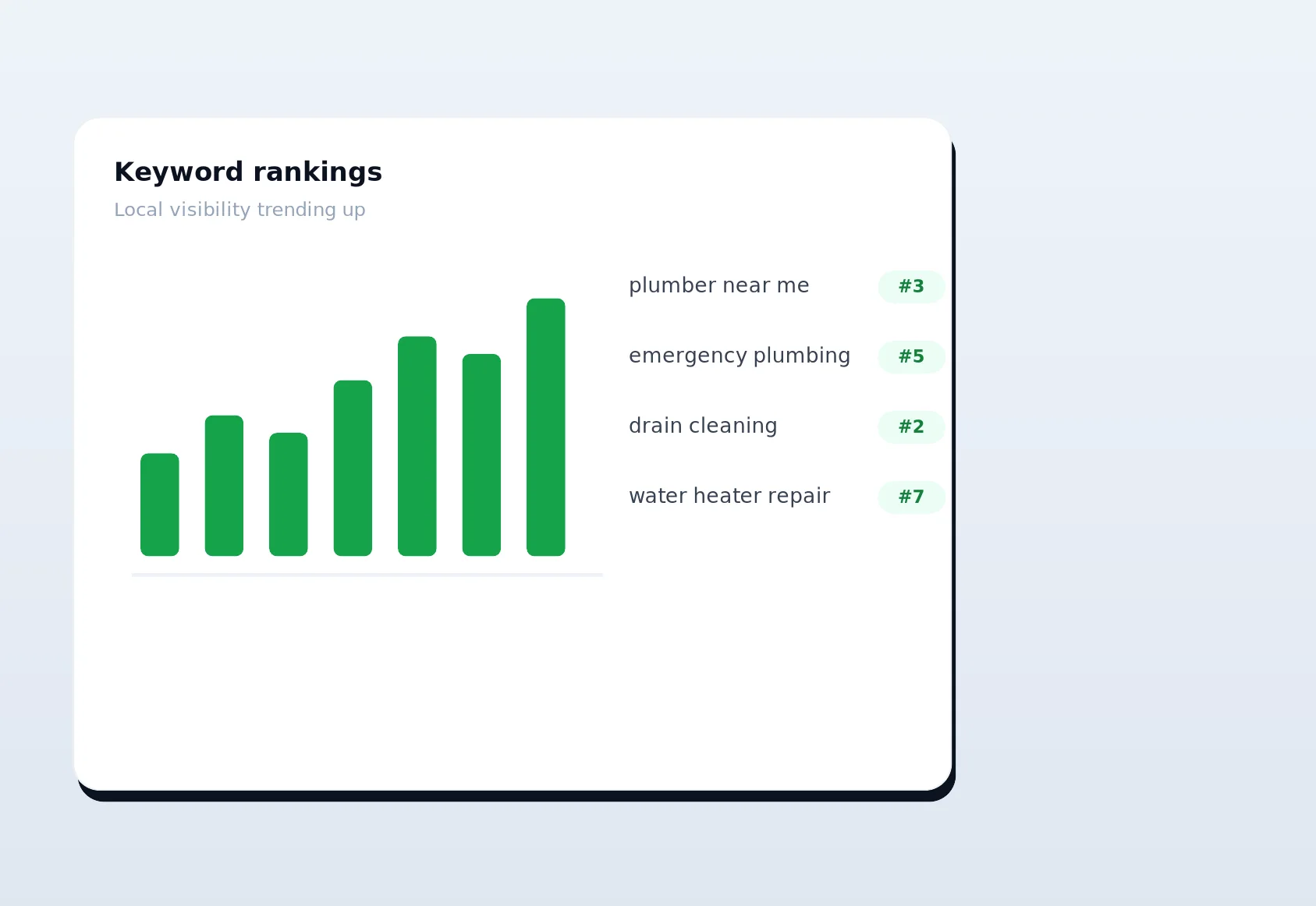
Around that core, the rest of the platform keeps the machine fed: the deduplicated local business directory and lead scraping surface fresh prospects, lead enrichment fills in their email and phone through rotating anonymous proxies so your own IP never leaks, call queuing hands those leads to your reps one at a time, and rank tracking closes the loop by showing whether the paced link building is actually moving positions. Velocity becomes a continuous, self-correcting cycle instead of a one-time gamble.
Start Pacing Your Link Building the Safe Way
You do not need to choose between building links fast and building them safely, and you certainly do not need a calendar full of reminders to drip-feed submissions by hand. LinkSpear computes a natural, personalized velocity for every page, releases your directory campaigns over a believable curve, coordinates the anchor mix, and verifies that the links stick — all while logging each decision so nothing happens in the dark. It is link velocity control that does the hard timing math for you and keeps your best pages growing instead of stalling. Spin it up on the 14-day free trial of the Starter plan, point it at a page you have been afraid to push, and watch your first paced campaign roll out within minutes — no credit card, no risk, just link building that finally looks as earned as it is effective.