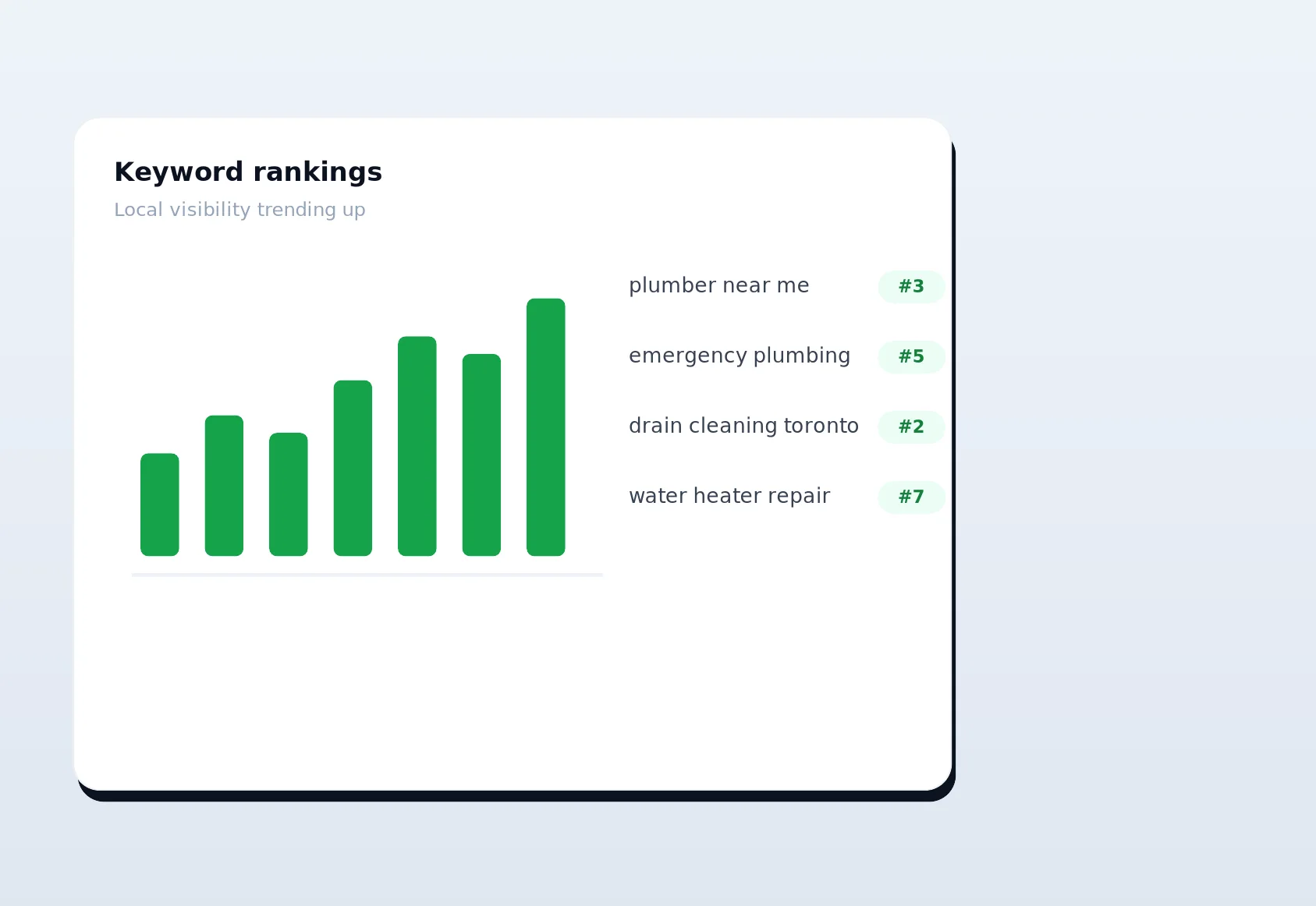
Local citation building is one of the highest-leverage things a local business can do to climb the map pack, and LinkSpear turns it from a tedious month-long chore into a repeatable, trackable workflow. A citation is any online mention of your business's name, address, and phone number (NAP) on directories, review sites, data aggregators, and industry listings. Google reads those mentions as trust signals: the more consistent, complete, and widespread they are, the more confidently it ranks you for "near me" searches. This page explains exactly how our local citation building service works, what results to expect, who it's for, and how it plugs into the rest of your local SEO stack.
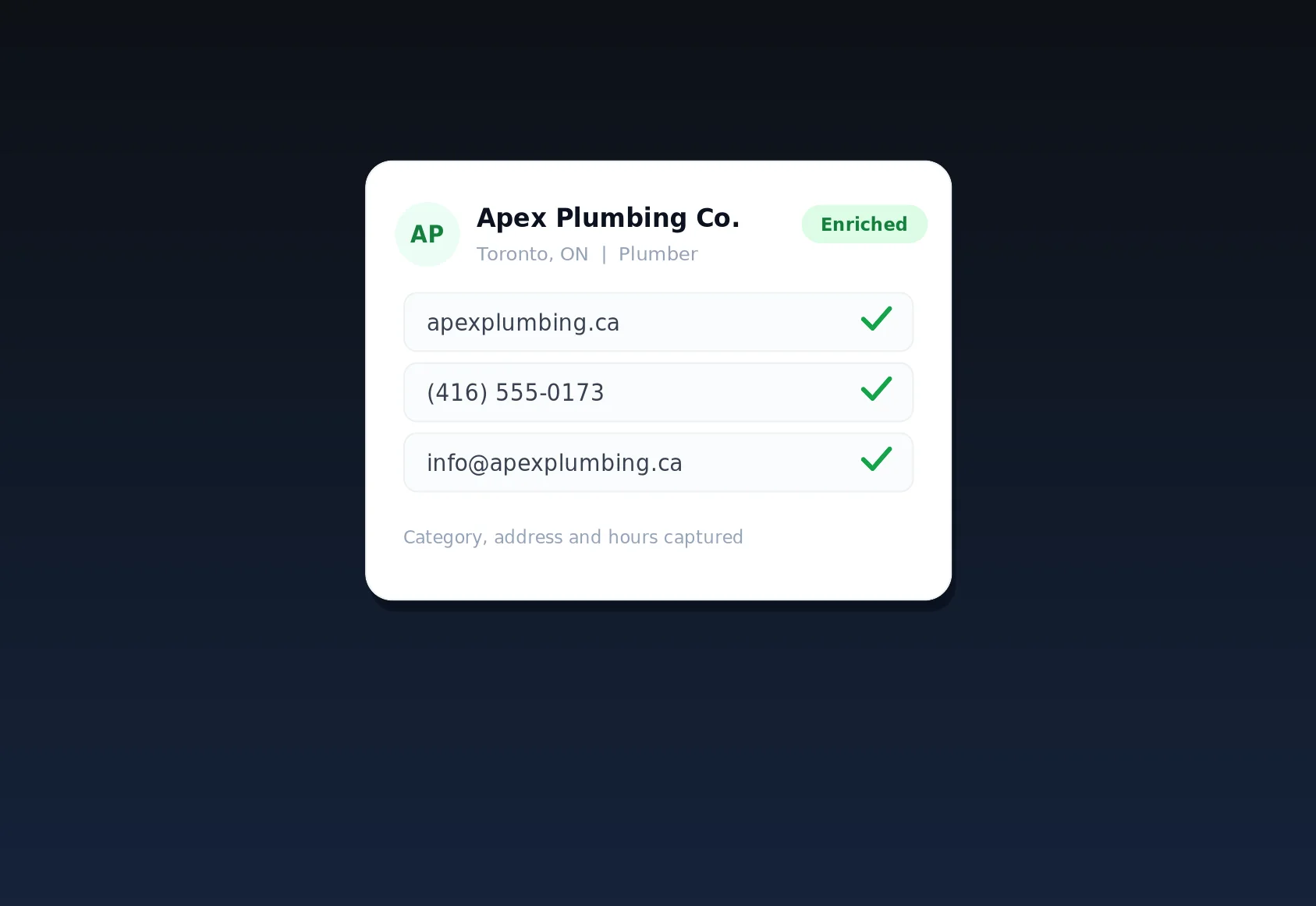
What is local citation building, really?
Strip away the jargon and a citation is just a public record that says "this business exists, here's how to reach it." When your NAP appears identically across dozens or hundreds of trusted directories, three things happen at once: search engines verify your legitimacy, data aggregators propagate your details to even more places, and real customers find you on the platforms they already trust. Inconsistent or missing citations do the opposite. If one directory lists an old phone number and another has a former address, Google hedges its bets and ranks you lower.
Effective local citation building is therefore less about volume for its own sake and more about consistency at scale. You want the same clean NAP everywhere, on directories that actually matter for your industry and geography, submitted without leaving a spammy footprint. That is precisely the problem LinkSpear was built to solve, and it does it against a deduplicated master catalogue of nearly 200,000 real directory and citation sites rather than a stale, recycled list.
It helps to separate the two kinds of citations you'll build. Structured citations are the classic directory listings, where your NAP sits in defined fields on sites like general business directories, industry-specific portals, and regional chambers. Unstructured citations are mentions in the wild, on local blogs, event pages, and news write-ups, where your details appear inside ordinary text. Both count toward Google's confidence in your business, but structured citations are the ones you can build deliberately and at pace, which is why they form the backbone of any local citation building campaign. LinkSpear focuses your effort there first, because that's where consistent, repeatable wins live.
The often-overlooked truth is that citation building is as much a data-hygiene exercise as a link-building one. A campaign that adds fifty new listings while leaving ten contradictory old ones untouched can actually stall your progress, because Google weighs the conflict. Getting real value out of local citation building means auditing what already exists about you online, deciding on one authoritative version of every field, and then distributing and defending that version everywhere. Treat it as maintaining a single record of truth, not as racking up a score.
Why citations still move the needle in local search
Every few years someone declares citations dead. Then the next local ranking study lands and citation signals are still sitting near the top of the factors that correlate with map-pack visibility. The reason is simple: citations are hard to fake convincingly and easy for Google to cross-reference. They remain one of the few off-site signals a small business can influence directly without a big budget.
- Map-pack eligibility: Google needs to trust your NAP before it will show you in the coveted three-pack. Consistent citations are table stakes.
- Trust and disambiguation: When two businesses share a similar name, citations help Google tell them apart and attribute reviews correctly.
- Referral traffic: Many directories rank on their own for local terms, sending you clicks and calls directly, not just SEO credit.
- Voice and AI search: Assistants and AI overviews pull structured business data from the same aggregators your citations feed.
There's a compounding effect too. The major data aggregators act as wholesalers of business information: once your NAP is clean and consistent on the sources they draw from, they push it downstream to hundreds of secondary sites automatically. That means a well-run citation campaign keeps paying out long after you stop actively submitting, seeding your correct details across the web without further effort. The flip side is equally true, which is why fixing a wrong address early matters so much: a mistake propagates just as efficiently as a correction, and unwinding it later is genuinely painful.
How LinkSpear's local citation building works
The workflow is designed so that a solo owner or a busy agency manager can run a full citation campaign without becoming a full-time data-entry clerk. Here is the process, step by step.
Step 1 — Lock down one canonical NAP
Everything starts with a single source of truth. You enter your business name, phone, email, website, street address, city, province or state, country, and category once. LinkSpear stores this as your canonical contact card. If you run multiple locations or manage clients, each gets its own card, and every submission from that point forward pulls from it, so a phone-number change propagates cleanly instead of drifting.
Step 2 — Match against the master directory catalogue
LinkSpear compares your business against its deduplicated local business directory of real citation and listing sites. Rather than blasting the same generic 50 directories at everyone, it prioritises sites that fit your category and location, flags where a listing for you may already exist, and surfaces the highest-value targets first. This is where a curated master catalogue beats a bought spreadsheet: duplicates are already collapsed, dead domains are pruned, and category relevance is baked in.
Step 3 — Enrich and verify before you submit
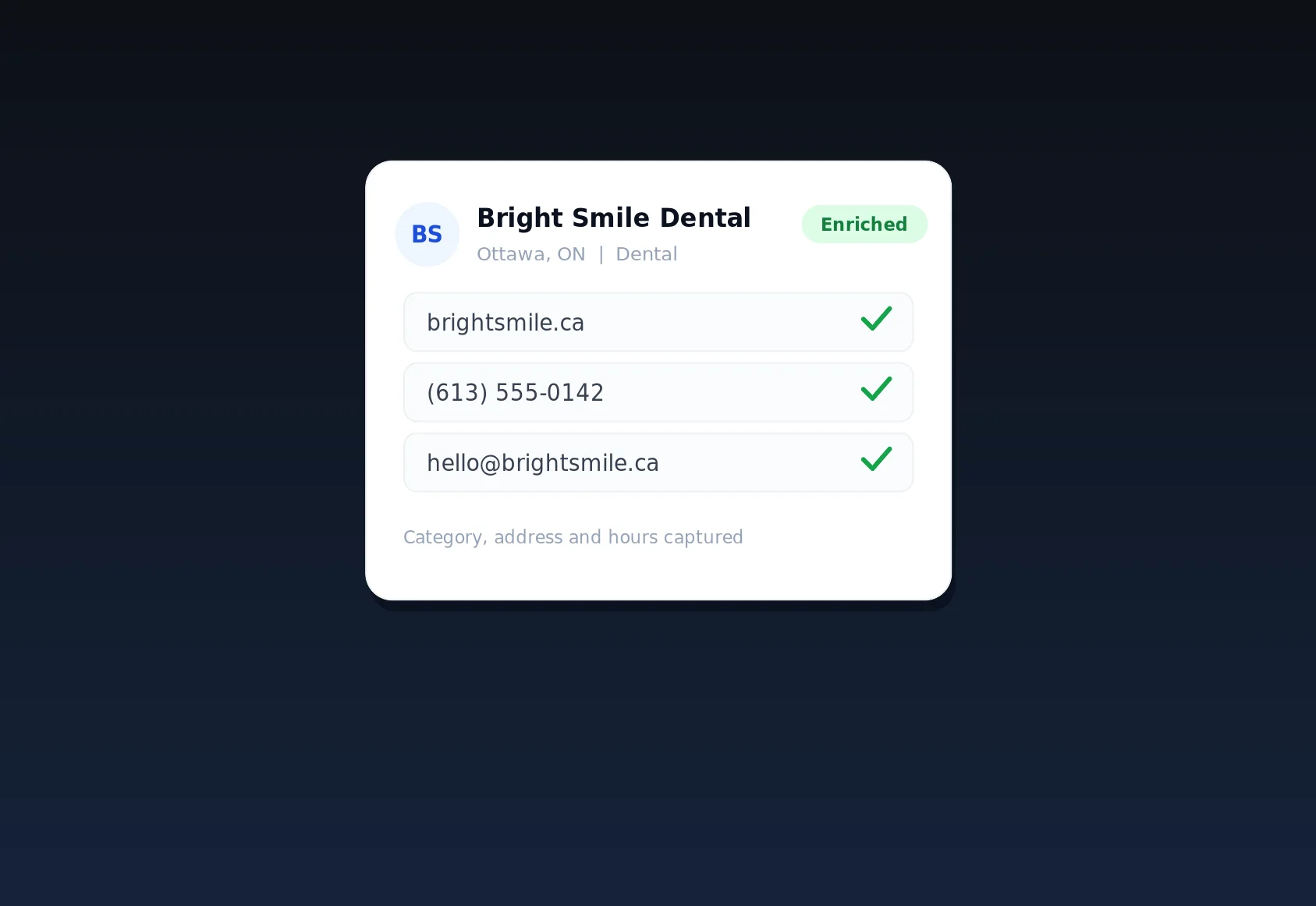
Bad data in means bad citations out. Before anything is submitted, LinkSpear's lead enrichment engine can visit your own website through rotating anonymous proxies to confirm the email and phone actually published there, catching the common case where the number on your site no longer matches the one in an old spreadsheet. The result is that the NAP you distribute is the NAP customers will actually reach.
Step 4 — Submit with your real browser, no footprint
This is where LinkSpear diverges from cheap citation farms. Instead of hammering directories from a shared datacentre IP that every SEO tool on earth also uses, submissions run through a Chrome extension that auto-fills directory forms using your real browser and your real residential IP. The extension reads your canonical card and populates each directory's fields for you, so you review and confirm rather than retype. To the directory, it looks exactly like a genuine business owner filling in the form, because functionally it is one. That means no fingerprint that flags your listings as bulk-submitted, and far higher approval rates on directories that reject automated garbage.
Step 5 — Track, verify liveness, and repair
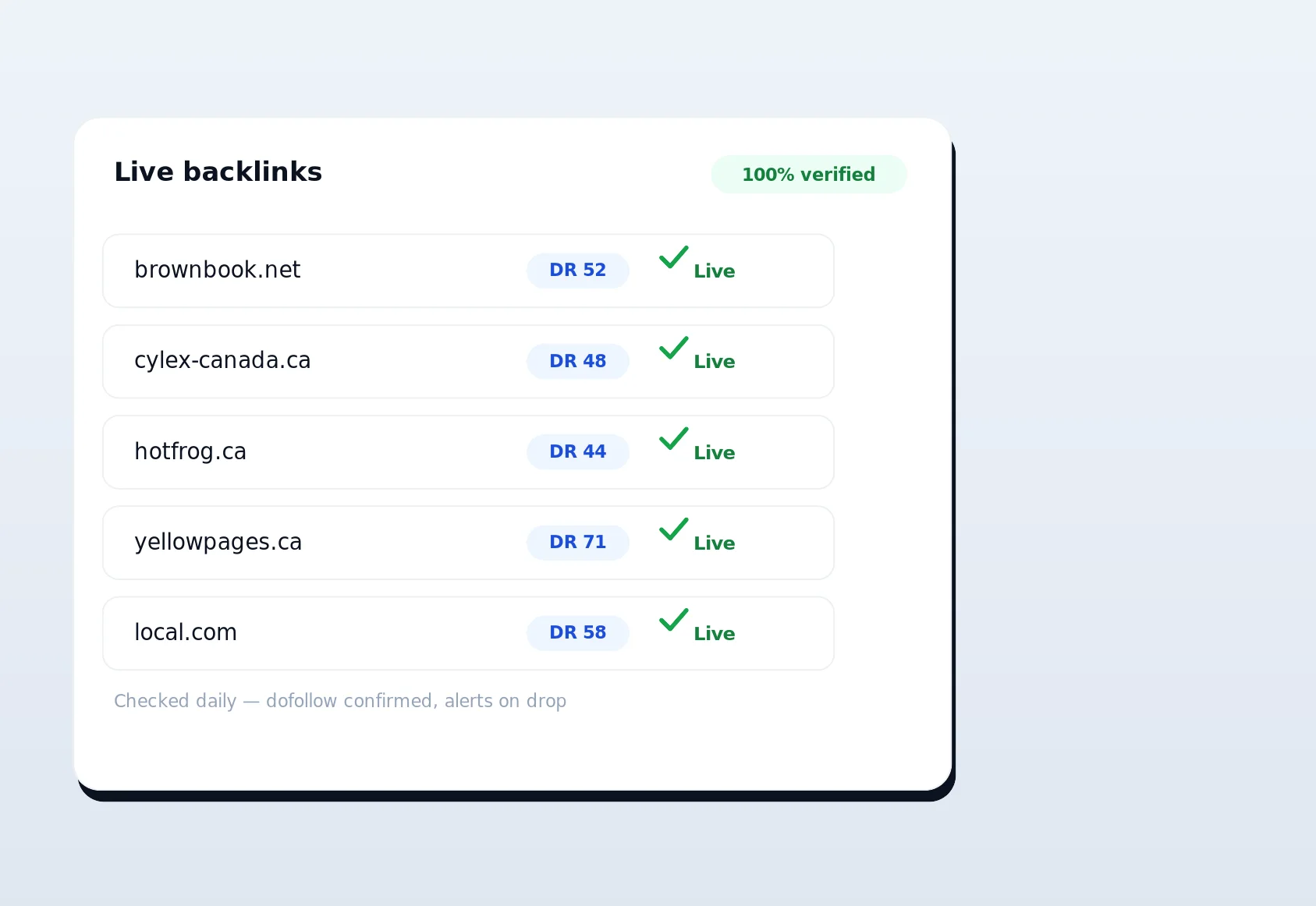
A citation that gets approved and then quietly 404s six months later is worse than useless. LinkSpear records every submission, then uses live link verification to periodically confirm your listings are still up and still pointing at the right NAP. When a directory changes its URL structure or a listing drops, it's flagged for repair rather than silently lost. Citations are treated as durable assets you keep, not fire-and-forget spam.
What you actually get: outcomes, not activity
It's easy to sell "500 citations." It's more honest to talk about what those citations do. Here's the realistic outcome curve for a business running consistent local citation building through LinkSpear.
- Weeks 1-2: Canonical NAP established, existing inconsistent listings identified, first batch of high-authority citations submitted and approved.
- Weeks 3-6: Data aggregators begin propagating your details, secondary directories pick up the NAP, and you typically see movement on local pack impressions.
- Weeks 6-12: Citation consistency reaches a level where Google stops hedging; map-pack rankings for mid-competition "near me" terms firm up and referral calls from directories start arriving.
- Ongoing: Liveness monitoring keeps the asset base healthy, and each new location or service area you add rides on the same clean process.
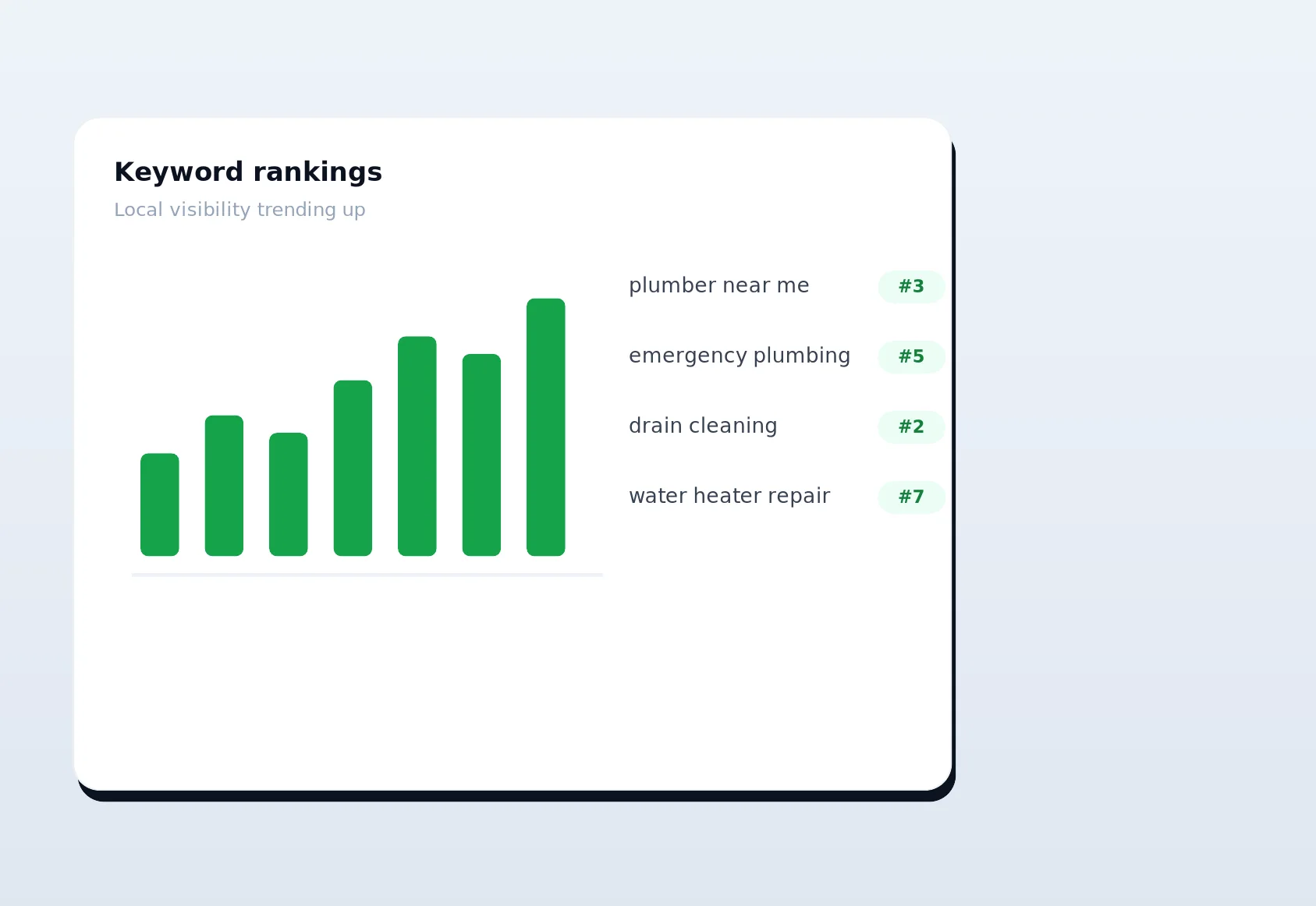
Pair this with rank tracking and you can watch the map-pack movement happen rather than taking it on faith.
LinkSpear vs. the usual ways of building citations
Most businesses have tried one of three approaches: doing it by hand, hiring a cheap gig-economy submitter, or buying an automated blast. Here's how consistent, footprint-free citation building compares.
| Approach | Consistency | Footprint risk | Time cost to you | Ongoing monitoring |
|---|---|---|---|---|
| Manual DIY | High if disciplined, but drifts fast | None | Very high — hours per week | Almost never happens |
| Cheap gig submitter | Low — copy-paste errors | Medium | Low, but you lose control of NAP | None |
| Automated blast tool | Medium | High — shared datacentre IPs | Low | Rare, and rejections go unnoticed |
| LinkSpear | High — single canonical card | None — your real browser and IP | Low — review, don't retype | Built in — liveness checks and repair |
The combination that's genuinely hard to replicate is the last two columns together: the convenience of automation with the zero-footprint safety of manual submission, plus monitoring that most tools skip entirely.
It's worth being blunt about why footprint matters. Directories have gotten far better at spotting bulk submissions: identical form-fill timing, the same datacentre IP ranges, and boilerplate descriptions all trip their filters, and a flagged listing is either silently rejected or, worse, buried in a low-trust ghetto that passes no value. Because LinkSpear submits from your genuine browser session and residential connection, with you reviewing each one, there is simply no pattern to detect. You get the throughput of automation without wearing the mark of a bot, and that difference shows up directly in approval rates.
Who local citation building is for
Citations reward businesses that depend on being found locally, which is a large slice of the small-business economy. It's especially high-impact for service-area and storefront businesses.
- Home and trade services such as plumbers, electricians, HVAC, roofers, and landscapers, where "emergency near me" searches convert instantly.
- Local professional services including dentists, clinics, law firms, accountants, and real-estate agents that live and die by local trust.
- Storefront and hospitality like restaurants, salons, gyms, and auto shops that need to appear on the maps and review sites customers browse.
- Marketing agencies managing citation campaigns across dozens of clients, who need clean per-client NAP control and reporting they can hand to the client.
Agencies deserve a special mention, because citation building at scale is where per-client discipline usually breaks down. Juggling NAP details for thirty clients in a shared spreadsheet is how a plumber ends up listed with a dentist's phone number. LinkSpear's agency sub-accounts keep each client's canonical card, submission history, and liveness reports walled off and self-contained, so the work stays organised as you add accounts, and every listing you build is one you can show the client with a timestamp. That turns citations from an invisible cost centre into a reportable, renewable deliverable.
How citations fit the wider LinkSpear workflow
Citation building isn't an island. It's one stage in a connected local-SEO pipeline, and the pieces share data so you're not re-entering the same business details over and over.
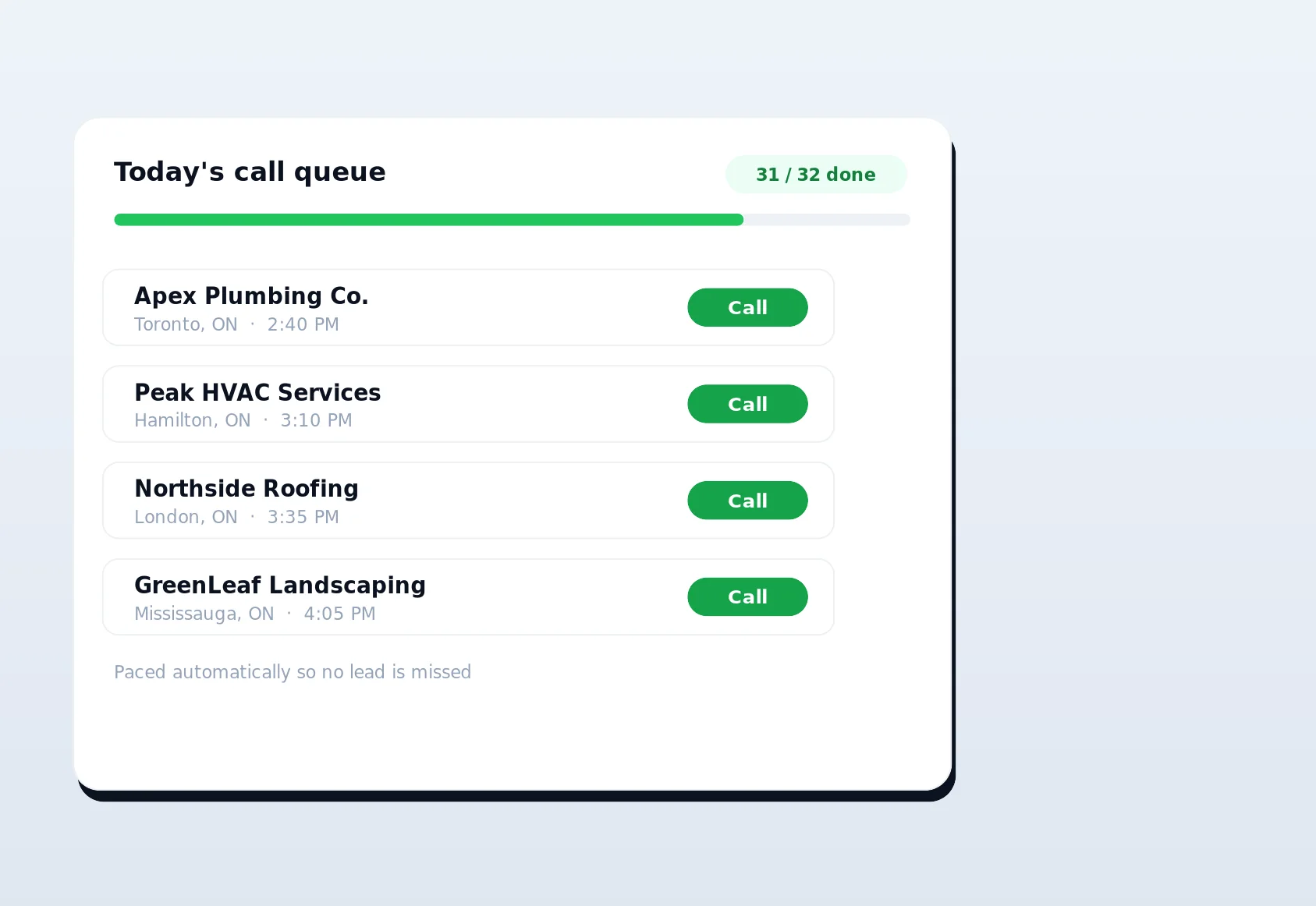
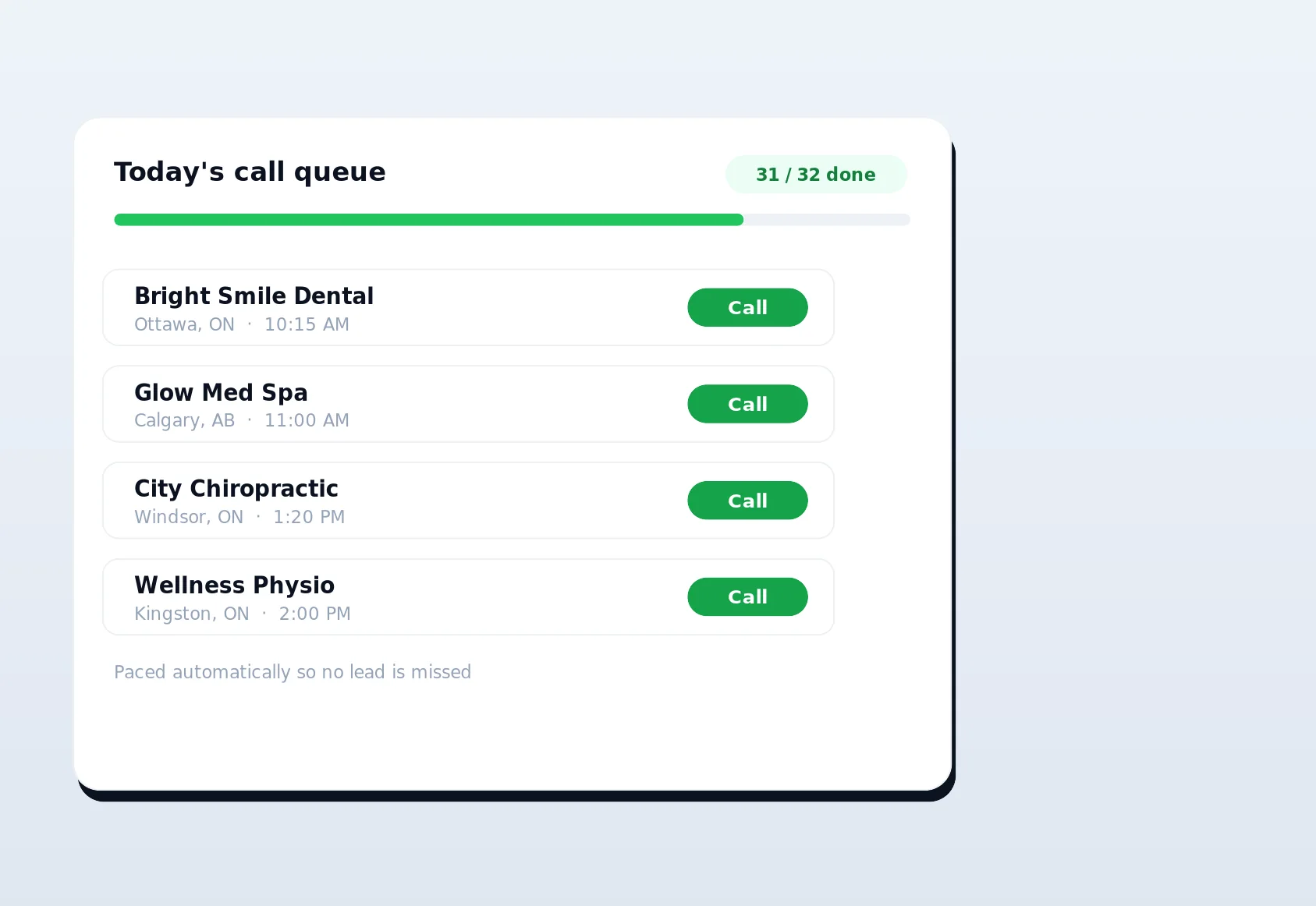
- Find the prospects: If you're an agency, our business lead scraping pulls local businesses from OpenStreetMap and YellowPages, and call queuing hands them to your reps one at a time with fair cross-tenant rotation and daily caps.
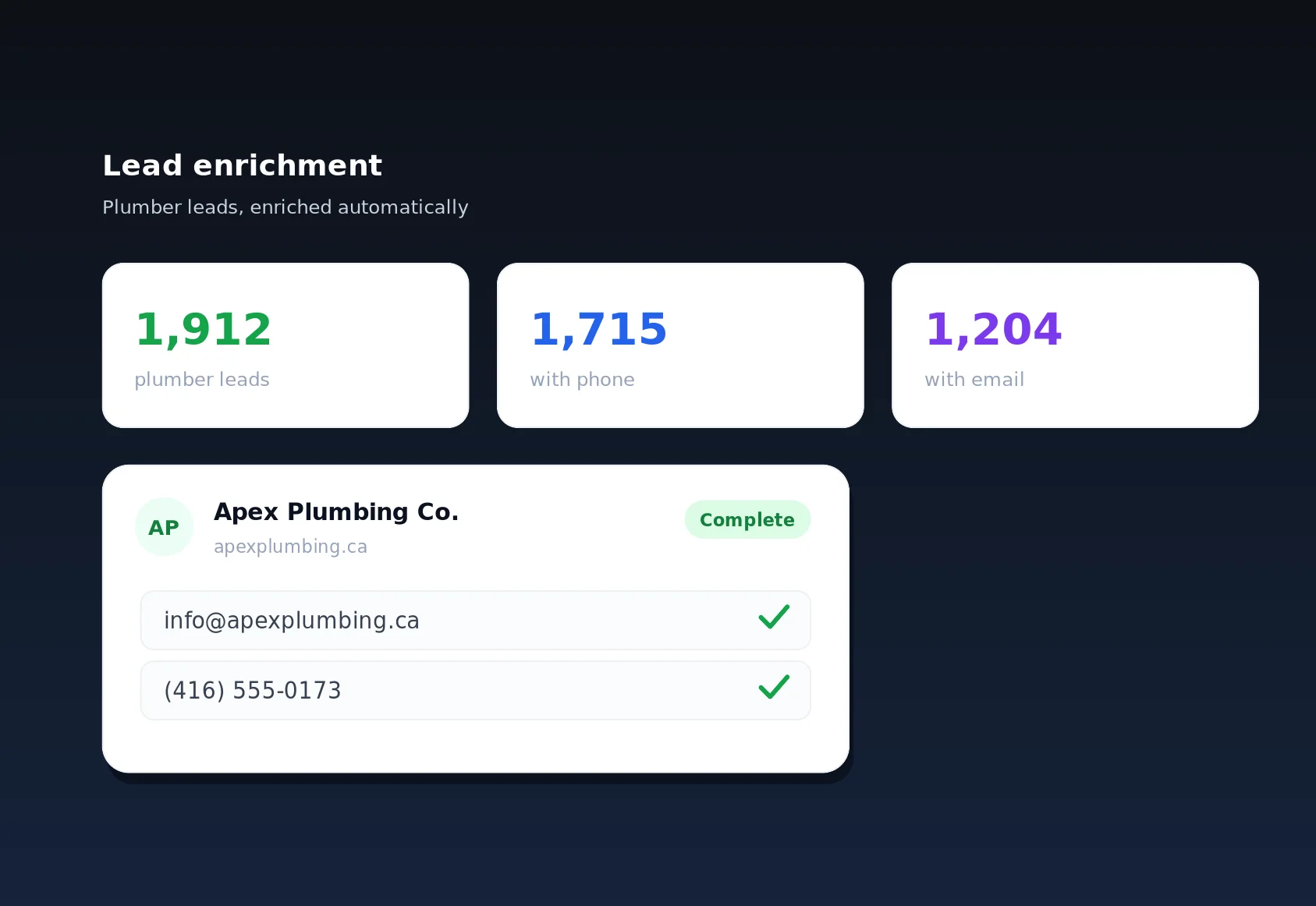
- Clean the data: Lead enrichment fills missing emails and phones through anonymous proxies so the NAP you cite is accurate.
- Build the citations: The step this page is about — footprint-free submissions from your real browser via the Chrome extension.
- Prove and protect the results: Rank tracking shows the map-pack lift, live link verification keeps citations healthy, and the disavow tool plus schema audits handle the technical hygiene around them.
Because it all runs on one deduplicated catalogue and one canonical contact card per business, adding a location or onboarding a new client is a matter of minutes, not a fresh spreadsheet.
Getting the most out of your citation campaign
A few habits separate businesses that see real map-pack movement from those that stall.
Fix your NAP before you scale it
Distributing an inconsistent NAP just multiplies the problem. Get your canonical card exactly right — including the exact suite number format and phone formatting — before the first submission, because correcting hundreds of live citations later is far more work than getting it right once.
Prioritise relevance over raw count
Ten citations on directories your customers and Google actually trust in your category beat a hundred on link farms. LinkSpear's category matching does this ranking for you, but resist the urge to chase a vanity number.
Keep the asset base alive
Set liveness verification to run on a schedule and act on the repair flags. Citations decay quietly; the businesses that win are the ones that treat monitoring as part of the campaign rather than a one-time push.
Common citation-building mistakes to avoid
Most stalled campaigns fail for the same handful of reasons. Knowing them in advance saves months.
- Formatting drift: "Suite 4" on one listing and "Ste. 4" on another, or "(555) 010-1234" versus "555.010.1234", reads as two different records to some systems. Pick one format and lock it into your canonical card.
- Duplicate listings: Creating a second listing on a directory that already has an old one for you splits your authority and confuses reviews. Always check for an existing entry first, which is exactly what LinkSpear flags for you before submission.
- Chasing irrelevant volume: A hundred listings on generic global link farms do less than a dozen on trusted directories in your city and category. Relevance beats raw count every time.
- Set-and-forget: Listings rot. A business that moves offices and updates only Google leaves a trail of wrong addresses everywhere else, quietly dragging down trust for years.
- Thin or duplicated descriptions: Pasting the identical blurb into every field looks templated. Vary your business description so each listing reads as if a human wrote it, because a human should be reviewing it.
None of these are hard to avoid; they just require a system that enforces one clean record and watches your listings over time. That system is the whole point of doing citation building inside LinkSpear rather than a spreadsheet.
Start building citations that actually rank
If your business depends on showing up when someone nearby searches for what you sell, local citation building is not optional — it's foundational, and doing it with a real browser, a clean canonical NAP, and built-in monitoring is what separates listings that stick from ones that get flagged and buried. LinkSpear gives you the whole pipeline: a deduplicated directory catalogue, enrichment to keep your data honest, footprint-free submission, and liveness tracking that protects the asset over time. New users get a 14-day free trial on the Starter plan, with no card gymnastics required, so you can lock in your canonical NAP, run your first batch of citations, and watch the map-pack impressions move before you ever pay a cent. Start your trial today and make your business the one Google trusts.